
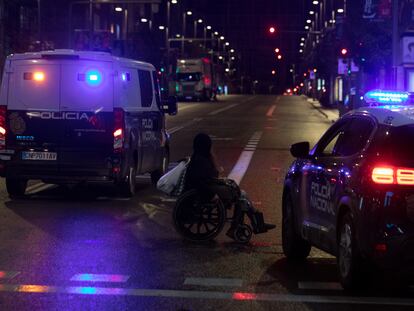
Experts warn Spain’s state of alarm is not a cure-all for the coronavirus crisis
Epidemiologists say impact of the emergency measure will depend greatly on what action regions take
Epidemiologists say impact of the emergency measure will depend greatly on what action regions take
The Cabinet is due to meet on Sunday morning to approve the emergency measure, which counts on the backing of the majority of the regions to give them a legal framework for coronavirus restrictions
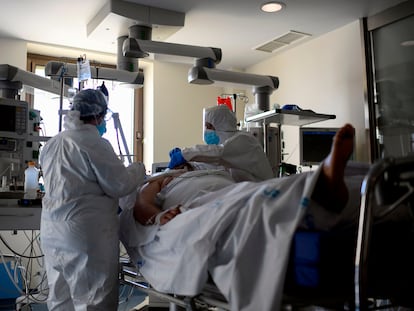
Eight regions and Melilla have already called on the government to implement the emergency measure, which will not necessarily involve a lockdown like the one in the spring. The regions would, however, have greater powers to limit mobility in a bid to curb coronavirus infections
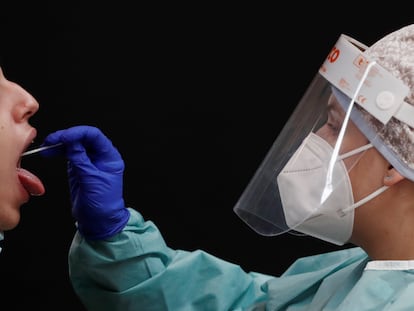
Patients who survived Covid-19 and medical staff who battled the health crisis tell their stories
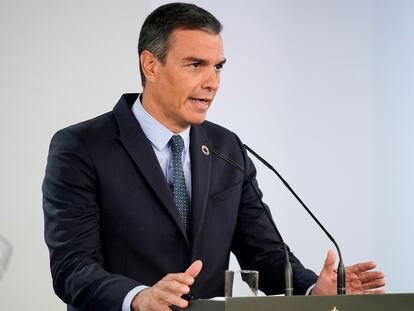
In a public address on Friday, Pedro Sánchez called on citizens to limit all non-essential trips and social contact to avoid a repeat of the total lockdown seen in March

After a meeting of health authorities failed to produce an agreement on nationwide restrictions, Spanish regions are taking the initiative to limit nighttime activity
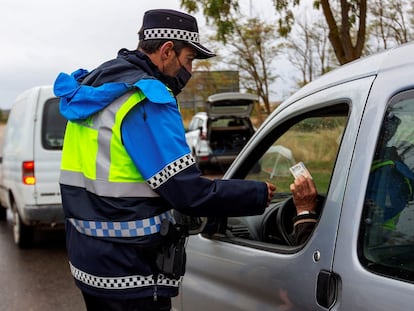
Valencia, Castilla y León and Castilla-La Mancha are in favor of nighttime confinements, but Madrid’s position remains unclear

The latest report from the Health Ministry recorded 13,873 new diagnoses and added 218 victims to the overall death toll
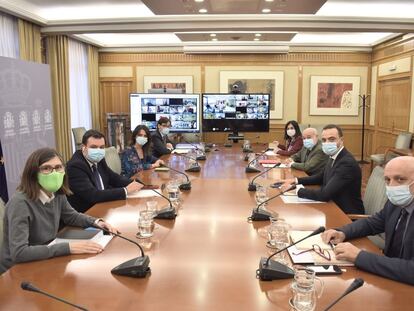
A draft project that must still be discussed with regional officials aims to clarify the criteria for adopting restrictions on mobility
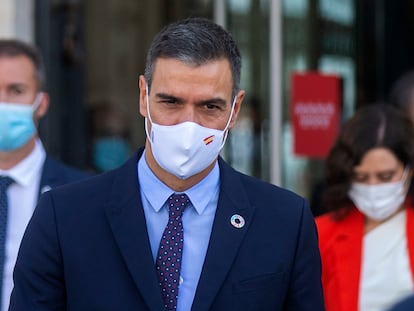
The country’s top medical and scientific associations are urging political leaders to drop their partisan disputes and make coronavirus-related decisions based on the available evidence

Authorities have not released information about the thresholds they are working with, but papers seen by EL PAÍS prove that as early as July they set a top figure of 60 positive cases per 100,000 people

Health experts warn that the measures agreed to by the ministry and the Madrid region are insufficient and come too late to control community transmission
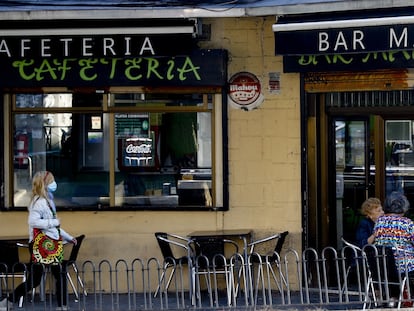
Experts blame the surge in Covid-19 cases on overconfidence, lack of resources and planning mistakes in the deescalation process
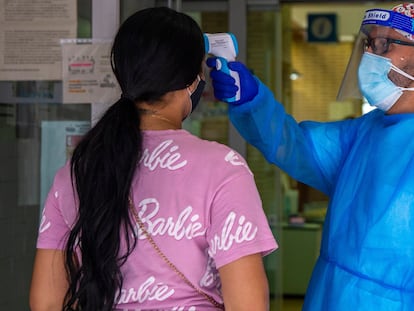
A domestic worker with coronavirus symptoms explains how she was forced to run around Madrid for various documents in order to obtain a PCR appointment

Madrid continues to be the region that is being hardest hit by the second wave of the pandemic, followed by the northern areas of Navarre and La Rioja
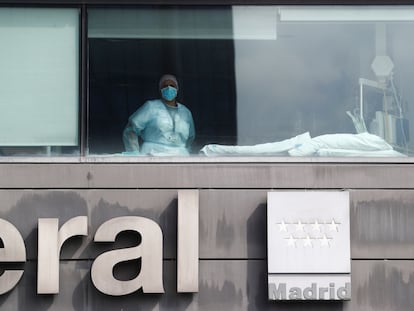
According to the latest data, 36% of intensive care beds are occupied by Covid-19 patients in the Madrid region, compared to the national average of 16%
The country registered its worst incidence of the virus on Friday, with 238 cases per 100,000 inhabitants, but the situation is still far from what it was in spring

But health authorities say transmission is “stabilizing,” while the fatality rate has fallen to 0.6%
The Andalusian government has been accused of hiding community transmission of Covid-19 in Costa del Sol, and five people have been arrested for stealing nearly one million face masks

Authorities will restrict resident movement in these neighborhoods for at least 15 days to curb transmission
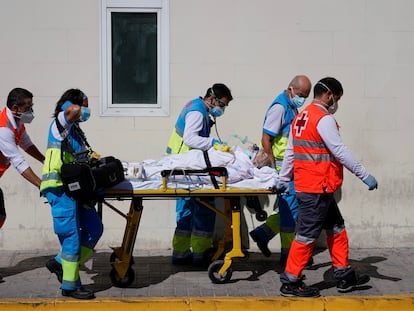
Castilla y León and Castilla-La Mancha are calling for coordinated action given fears over the exportation of cases from the capital, as took place in the first wave
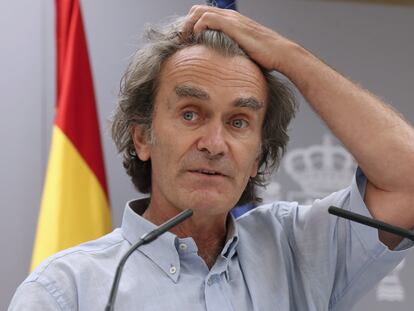
Neither epidemiological experts nor the Health Ministry are ruling out a strong uptick in cases in the coming days, as schools reopen and Spaniards return home from their summer vacations
Cumulative incidence in the regions of Madrid, the Balearics, Catalonia and Aragón has fallen slightly, while Covid-19 patients occupy 6% of hospital beds nationwide

The Spanish Health Ministry on Tuesday reported 50,000 positives nationwide over seven days, with 8,155 added in just the last 24 hours
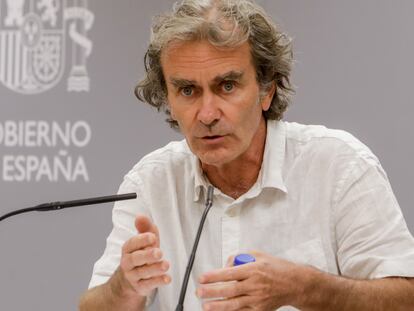
The Health Ministry has reported 23,572 infections and a further 83 victims since Friday, with one expert calling the progress of the epidemic “very worrying”
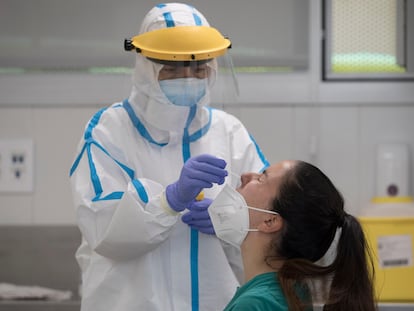
In the 40 days since the emergency measure was lifted, the number of new infections has risen from 334 to 2,789
According to the latest data from the Spanish Health Ministry, the number of new infections is back to where it was when Spaniards were confined to their homes