

More than 1.6 million people die each year from secondhand smoke
The share of the population exposed to tobacco smoke is falling, but more than 2.7 billion people worldwide are still affected
The share of the population exposed to tobacco smoke is falling, but more than 2.7 billion people worldwide are still affected
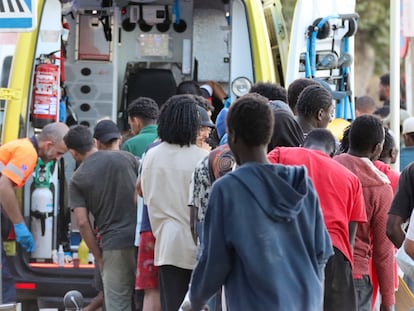
The Spanish Defence Ministry says a scabies outbreak among military personnel is unrelated to migrant assistance efforts, noting that two soldiers were already infected before the mass arrival of migrants
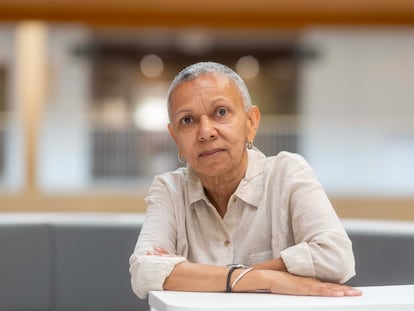
The researcher studies racial health inequities, one of the fields the Trump administration has cut resources for
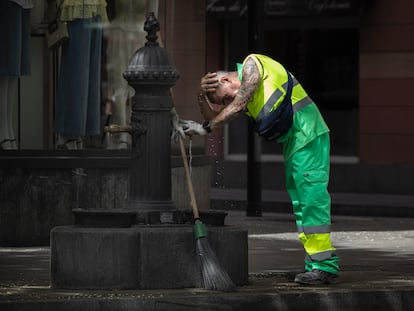
National monitoring system for excess deaths projected the record figure. Experts warn about the dangerous interaction between pollution and high temperatures
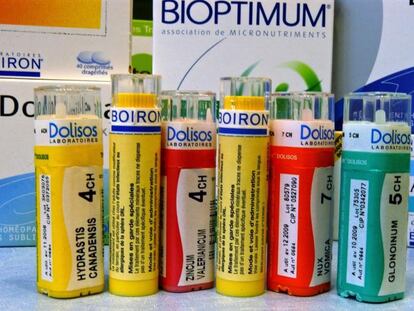
In recent years, countries that once financed the pseudotreatments, such as the United Kingdom and France, have stopped doing so, and Germany has plans to do the same this year

Two reviews reaffirm the problems the substance causes for mental health and highlight the complex debate around regulation

The WHO has downplayed the risk of a larger outbreak: ‘All cases have been isolated and are being managed under strict medical supervision’

All countries are going to impose measures to prevent the spread of the hantavirus, but these measures vary depending on each government

Spain is negotiating with various nations over how to repatriate their citizens. Uncertainties remain over the arrival of the ‘MV Hondius,’ its disinfection, and possible quarantines

The pathogen detected on the cruise ship is more lethal, but it is better understood and much less contagious than SARS-CoV-2

Gregorio Marañón Hospital used the technology to model a surgical piece for a 20‑year‑old man with Poland syndrome, a visible chest malformation
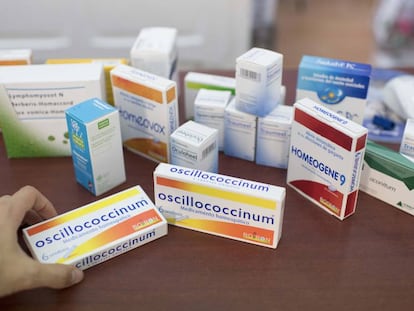
The Health Ministry has published a review of 15 years of studies on a pseudoscience that has been criticized by scientists for decades: ‘Many of these substances are so diluted, it’s like dissolving a packet of sugar in the Mediterranean Sea’

Supplements based on this alkaloid have shown some benefits, but they are not comparable to GLP-1-based drugs

Utilizing newborn blood is more of a dream than a reality, and storing it in public banks is largely for a potential greater good

The co-author of the book ‘Conspirituality’ explains how the far right is embedded in the world of wellness, obsessed with self-improvement but also with the dynamics of power and domination

The specialist in neurodevelopmental issues argues the case for banning social media for under-16s: ‘Those who had a smartphone with free access to internet content before the age of 15 have worse mental health indicators’

EL PAÍS reconstructs a record‑breaking weekend of simultaneous surgeries and helicopter organ transfers to save four lives within a critical window

Organoids, which the professor is researching, are transforming drug experimentation
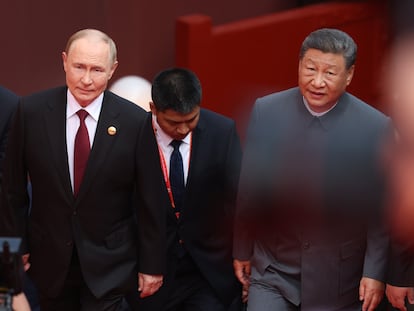
A hot mic caught the leaders of China and Russia exchanging ideas about increasing their own longevity that science doesn’t support. They’d be better off focusing on healthy lifestyles for the years they may have ahead of them
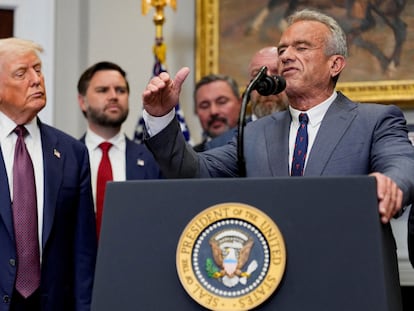
The Trump administration’s unscientific moves are alarming international public health experts, who are calling for a stronger European role
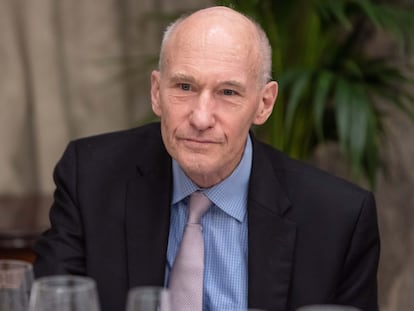
The American researcher warns that Trump’s policies could delay some medical advances by several years
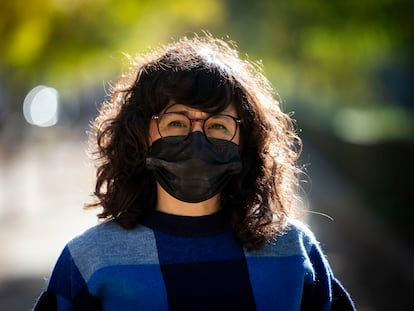
The difficulties of getting diagnosed, a lack of knowledge among health professionals and few biomarkers make it challenging to recognize and treat the disease
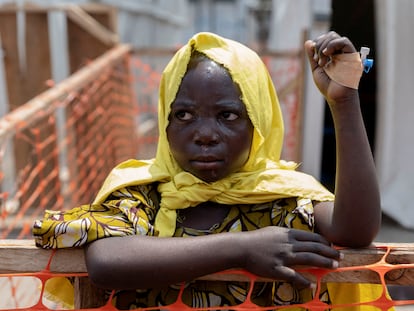
In the absence of details on how the new variant behaves, experts believe that the biggest difference is not in the virus itself, but in the environment

The Democratic Republic of the Congo, where most cases of mpox are concentrated, is facing a health emergency amid a humanitarian crisis. Thirteen African countries have so far confirmed cases of the virus
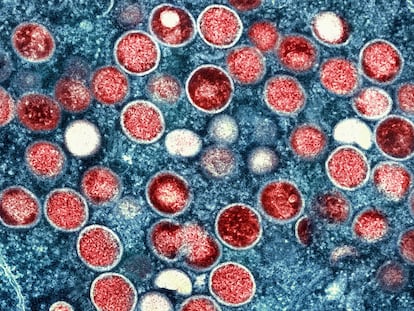
Is it a pandemic? How does it spread? What are the risks outside Africa? Here’s what we know about the new outbreak that has the WHO on alert

The organization has taken the measure due to the expansion of an apparently more lethal variant of the virus in Africa, which declared its first-ever public health emergency in response
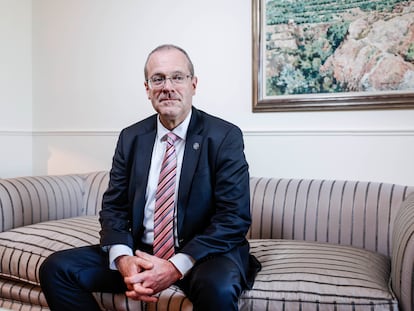
The regional director of WHO Europe discusses what was learned from the Covid-19 health emergency, and what can be done to address falling vaccination rates and rising numbers of STIs