
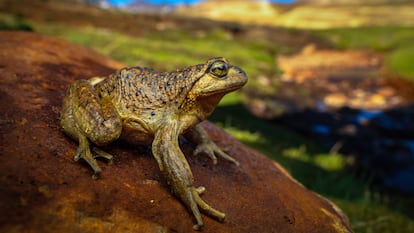
Leonardo DiCaprio joins fight to save endangered Chilean frog from power project
Conservationists warn that the species’ habitat in Chile’s Maule region could disappear if plans for an electricity interconnection proceed
Conservationists warn that the species’ habitat in Chile’s Maule region could disappear if plans for an electricity interconnection proceed

The Australian thinker is a leading voice in animal rights and a pioneer of effective altruism, the idea of helping others in ways that achieve the greatest possible impact. In his latest book, he returns to his signature cause: exposing the suffering endured by the animals we eat

The authors of the new study sequenced the DNA of 1.6 million specimens captured over four decades

A new distribution map confirms stable populations beyond Andalusia, including Murcia, Alicante and Valencia
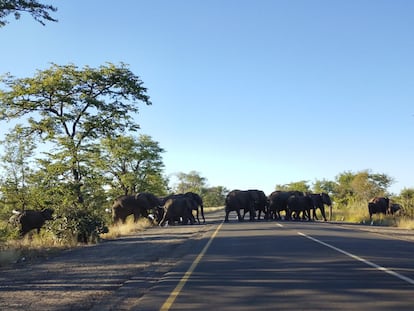
As in other African countries, extreme weather is displacing mammals from their migratory routes; they trample farmland in search of water and food, leaving hundreds of families without a livelihood

The Smithsonian Institution, through the Panama Amphibian Rescue and Conservation Project (PARC), has bred the species in captivity and has begun gradually reintroducing it into the wild
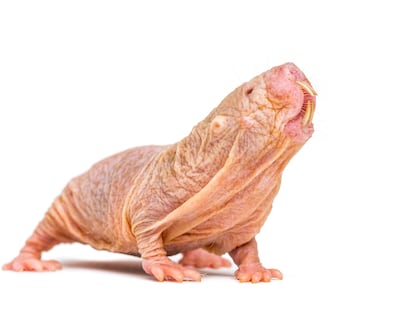
A six-year study reveals that the rodent, which does not develop cancer or feel pain, also has a more sophisticated system of governance than previously thought
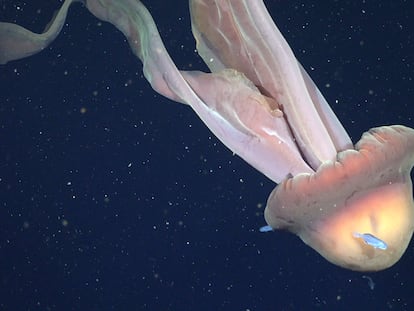
The ‘Stygiomedusa gigantea’ was recorded at a depth of 250 meters. Its four arms can reach up to 10 meters in length
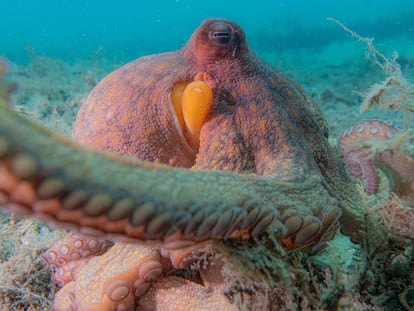
Considered the most intelligent invertebrates, these cephalopods have developed a very complex system to use their eight arms

From the mountains to the streets of Europe’s major cities, record-breaking temperatures are revealing the fierce impact of climate change
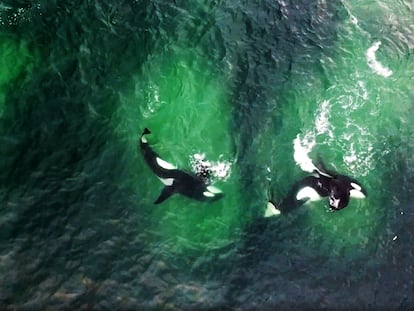
A team of scientists has documented for the first time how a pod of orcas in Norway work in pairs to enjoy a feast of herring