
The US considers indicting former Cuban president Raúl Castro
US media, citing government sources, said the accusation is related to the downing of humanitarian aircraft in 1996
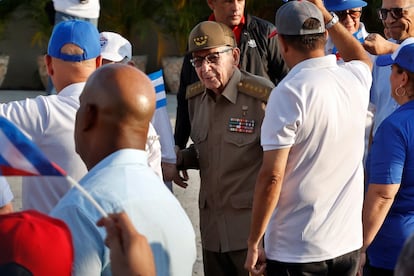

The U.S. administration is moving to indict former Cuban President Raúl Castro. According to CBS News, the charges against Fidel’s brother stem from the downing of two aircraft in 1996. Reuters, citing government sources, confirmed the move. The news comes amid escalating tensions between Washington and Havana and follows a visit by the CIA director to Cuba.
Government sources cited by U.S. media say the potential indictment will focus on the 1996 downing of two aircraft operated by the humanitarian organization Brothers to the Rescue. The indictment, however, requires grand jury approval to proceed. The Florida attorney general announced in March his intention to reopen a previously shelved investigation into that incident.
A Justice Department official quoted by Reuters confirmed that Washington plans to formally pursue charges against Castro. The timing of the potential indictment was not specified, the agency reports.
Raúl Castro, who is 94, stepped down as leader of the island’s Communist Party in 2021, but remains a powerful figure within the elite that controls power in Cuba. He is the brother of Fidel Castro, the volatile leader who ruled the island for 49 years after the triumph of the Revolution in 1959. Raúl Castro has embodied military pragmatism in a country where the government exerts an iron grip on its citizens. He operated from within the institutional framework of the military and the power structures, and was the architect of the economic reforms—albeit limited—that attempted to provide relief to an island struggling after the so-called “Special Period,” a time of scarcity and hunger following the collapse of the Soviet Union. Raúl Castro shook hands with Barack Obama, marking a historic thaw in relations that sought to ensure the regime’s survival.
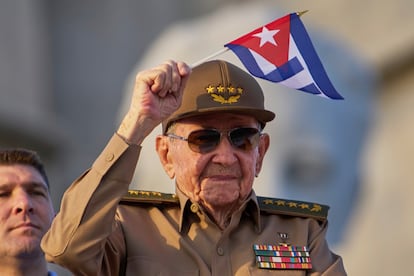
The events for which the U.S. government intends to prosecute Castro occurred on February 24, 1996, when Cuban Air Force MiG fighter jets shot down two civilian Cessna 337 aircraft belonging to the Brothers to the Rescue group. The incident, which took place in international waters of the Florida Straits according to the International Civil Aviation Organization—although Cuba alleged a violation of its sovereign airspace—resulted in the deaths of four volunteers who were searching for rafters at sea. The event marked an irreversible breaking point in the already strained relations between Washington and Havana.
Relations remain tense as Washington increases its pressure on Havana. The oil embargo imposed by the Trump administration has triggered an economic collapse marked by prolonged and frequent blackouts, fuel and food shortages, plunging the population into a severe humanitarian crisis. The United States has reportedly offered $100 million in humanitarian aid to the island for the purchase of food, medicine, and fuel, an offer accepted by the government of President Miguel Díaz-Canel. Meanwhile, on Thursday, CIA Director John Ratcliffe traveled to Havana for an unprecedented and surprise meeting with Raúl Rodríguez Castro, “Raulito,” the grandson and confidant of Raúl Castro, as well as with Cuban Interior Minister Lázaro Álvarez Casas and the head of Cuban intelligence.
Sign up for our weekly newsletter to get more English-language news coverage from EL PAÍS USA Edition









































