
Portraits of the magic of Serra Grande, the bastion of Brazil’s Atlantic Forest
Neither the threat of industrial projects nor the loss of certain ancestral traditions can diminish the wonder of this region of Brazil. Photographer Luisa Dörr, who traded the big city for this unique land, captures its nature and people
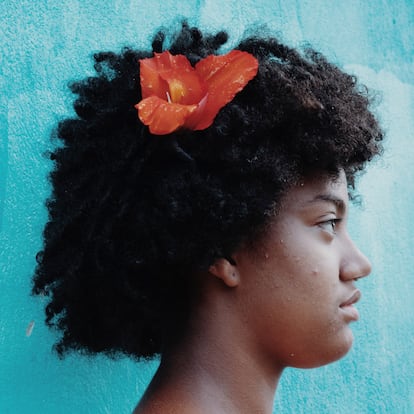
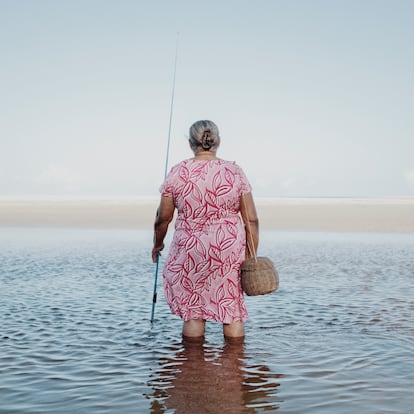
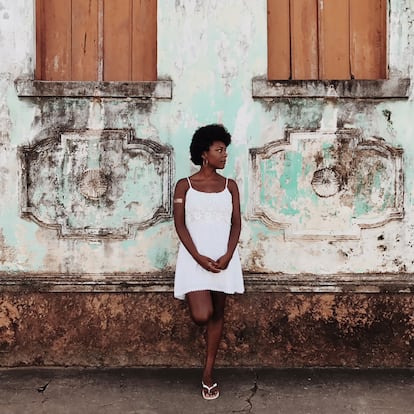
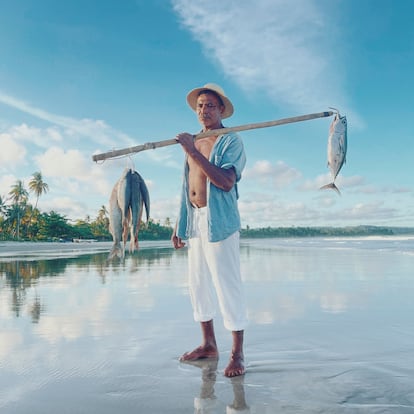
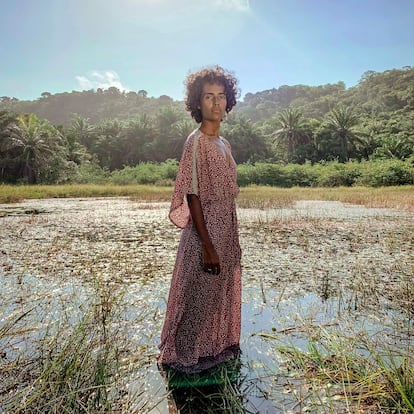
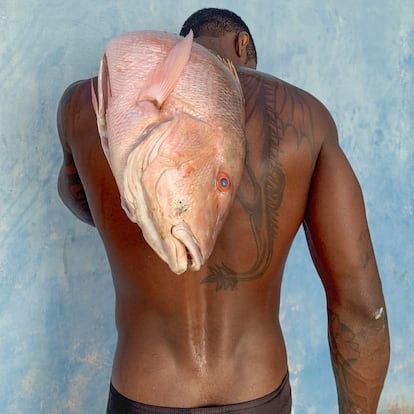
Serra Grande, in the Brazilian state of Bahia, surrounded by tropical beaches and an Atlantic Forest now reduced to just 10% of its original size, is home to exceptional biodiversity. I left São Paulo eight years ago in search of a place with a better quality of life. I made a list of the 20 most pleasant places to live in Brazil. One of those places was Itacaré, right next to Serra Grande. What started as an extended vacation turned into a permanent destination. Gradually, I became involved in the region and its dynamics, documenting the small struggles and triumphs of its communities: from elderly women collecting shellfish to young surfers noticing the subtle and worrying changes in the ocean. The stories I’ve captured are part of a much larger, often overlooked narrative of survival and resilience.
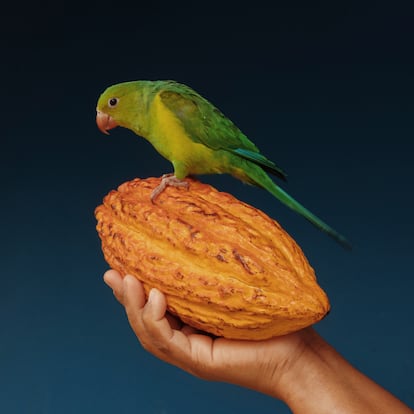
Serra Grande is part of the Itacaré-Serra Grande Environmental Protection Area, which covers a 17-mile stretch of coastline. It is a large reserve of Atlantic Forest (the tropical rainforest characteristic of Brazil’s Atlantic coast). Here, environmentalists, farmers, researchers, and traditional communities work tirelessly to protect the forest and its diverse inhabitants, maintain and revive ancestral native traditions — such as natural medicine or midwifery — and restore plant and animal species on the brink of extinction. A symbol of the balance between nature and human activity in the region is cacao, which thrives in the shade of these centuries-old trees. If the Atlantic Forest, designated a biosphere reserve, remains standing, it is because it is needed for cacao cultivation: a synergy that has saved a small corner of the planet.
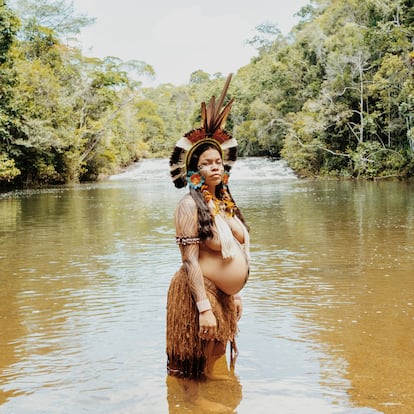
The destruction of the Atlantic Forest represents one of today’s most urgent conservation crises. From Indigenous communities and quilombos (settlements founded by slaves fleeing forced labor) to farmers and fishers fighting to maintain their way of life, their voices and perspectives must be heard. Their stories are key to understanding the global conservation debate. This story is about the importance of preserving one of the world’s most biodiverse and threatened ecosystems.



Sign up for our weekly newsletter to get more English-language news coverage from EL PAÍS USA Edition









































