
Photo essay: Iran’s slow return to life
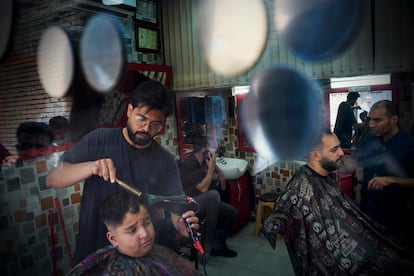
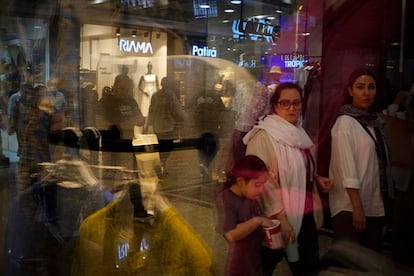
Two months after the series of attacks carried out by the United States and Israel against Iran, the Islamic Republic is struggling to regain its footing. Countless human tragedies, the destruction of civilian and military buildings, shortages of basic goods, and the fear of renewed bombings are preventing Iranians from regaining a sense of peace
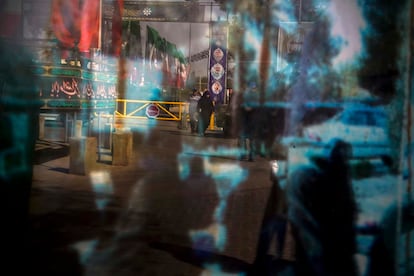
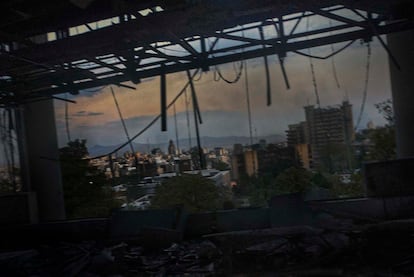
After the bombs and with the initial shock now subsiding, Iran is trying to return to normal life while still burying victims of the conflict with the United States and Israel. “If it were legitimate to assassinate nuclear scientists, they would have killed Oppenheimer. People here were just working; we have nothing to do with the war. Why are they attacking us?” cries Shirin, standing among the rubble of one of more than 400 buildings destroyed in Tehran during what is now called the 12-Day War. This housewife lived in an apartment blown open by the bombing.
In the early hours of June 13, Israel launched a series of attacks against the leadership of the Iranian regime, which was followed days later by U.S. bombings. They struck nuclear and military facilities and also hit residential buildings that, they claimed, housed scientists from the national nuclear program. In the days that followed, the crossfire killed 28 people in Israel — most of them civilians — and 1,060 in Iran, of whom more than 600 were civilians, according to the Iranian government and Hrana, an independent U.S.-based NGO.
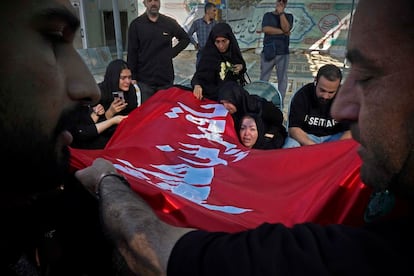
“My sister was a cleaner; she died in the prison attack. What did she have to do with the war?” laments Mehdi Panah beside the grave of Mariam, buried in Behesht Zahra cemetery, the same resting place for many who fought in the 1980s war with Iraq. “I come to pray every day. As soon as I heard the missile had hit, I went to look for her. She never married so she could care for our parents. I found her body myself,” the man says through tears.
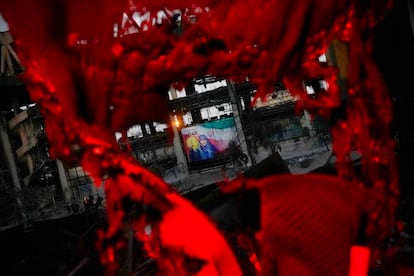
At the entrance to Evin Prison’s health clinic, a sign commemorates some of the 71 victims of the attack, including a five-year-old boy who died while visiting his father — who also perished. Rubble lies alongside inmates’ medical records, many belonging to political prisoners, journalists, and activists jailed by the regime.
Suddenly, a woman’s voice rings out: “I want to speak!” She is shouting from a damaged apartment tower. The prison officials appear uneasy and hurry the group along, but Suri manages to reach them: “We need psychological help! This street was filled with the bodies of whole families in their cars. We can’t sleep — we saw the planes overhead and they started attacking What if it happens again?”
Two months later, Iranians are still reeling from a war that, apparently, failed to achieve any of its stated goals: ending the nuclear program, eliminating the missile stockpile, or overthrowing the ayatollahs’ regime. Yet the population fears the horror could return at any moment.
Sign up for our weekly newsletter to get more English-language news coverage from EL PAÍS USA Edition









































