American photographer Carol Guzy, a four-time Pulitzer Prize winner, asserts that, in light of the brutal anti-immigration crusade being waged by the US government, the work of photojournalists ‘is more important than ever’
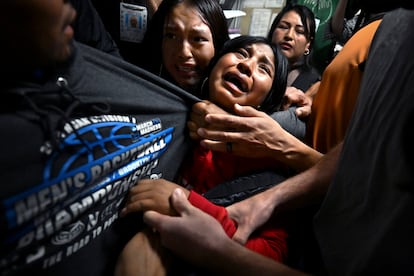
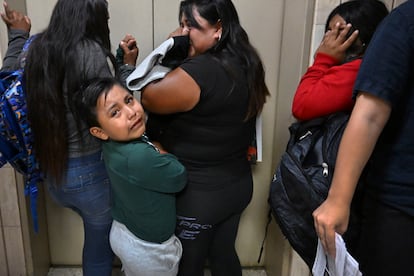
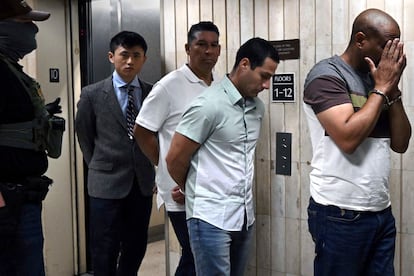
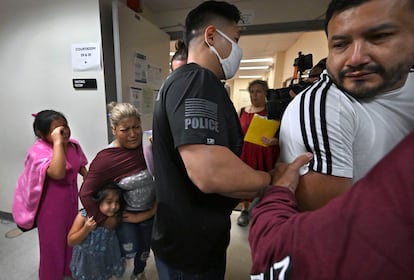
August 26, 2025: A typical scene at the Jacob K. Javits Federal Building in New York: three Ecuadorian immigrants desperately cling to a family member to prevent their arrest.Carol Guzy (Zuma Press / Contacto)
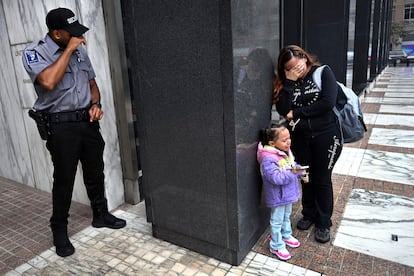
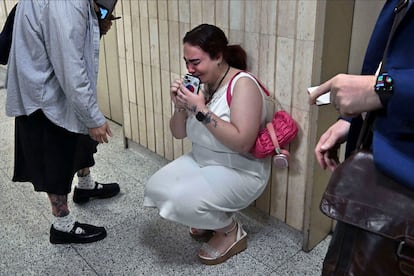
It was an unexpected flash of empathy. The woman’s husband had just been detained by immigration agents in a federal courthouse in Lower Manhattan, which has become the epicenter of the Donald Trump administration’s immigration crackdown in New York. Photographer Carol Guzy (Bethlehem, Pennsylvania, 69) saw the agents take the man away as his wife shouted, “Please, help me!” and their two children cried. Guzy decided to accompany the family to the exit. There, the woman realized she didn’t have her keys; with no way to return home, she broke down in tears again. A court security officer approached her to offer help and, faced with the scene, also began to cry. Through her own tears, Guzy captured the moment with her camera.
A woman who has just witnessed her husband being arrested at the Jacob K. Javits Building in New York cries. Seeing her and her daughter distraught, a security guard breaks down in tears as well.Carol Guzy (Zuma Press / Contacto)
For the photographer, it is an image that radiates compassion at a time when people desperately need it. In the midst of an unprecedented crusade against immigration, launched by a president obsessed with carrying out the largest deportation in U.S. history, the work of photojournalists like Guzy has become, in her own words, “more important than ever” in her country’s history. With their cameras, they are building a historical record that is at once deeply alive and profoundly human, documenting the consequences of an immigration policy whose effects will be felt for decades to come.
Guzy has covered international conflicts such as the war in Ukraine and the Kosovo War, as well as natural disasters like the 2010 Haiti earthquake. However, she maintains that what is happening in the United States has no comparison. The four-time winner of the Pulitzer Prize did not recognize her own country during the nearly six months she spent day and night inside the Jacob K. Javits Federal Building, known by its dreaded address, 26 Federal Plaza, where thousands of immigrants have been arrested while attending court hearings that until recently were routine. Within its worn white hallways and under fluorescent lights, she witnessed again and again how a family could be torn apart in the blink of an eye.
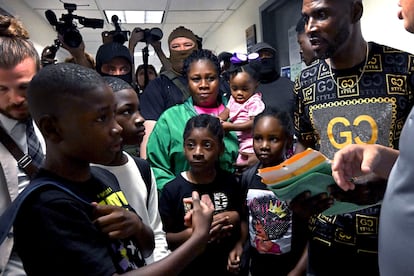
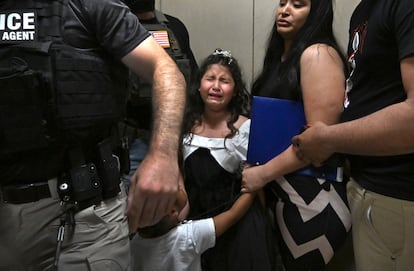
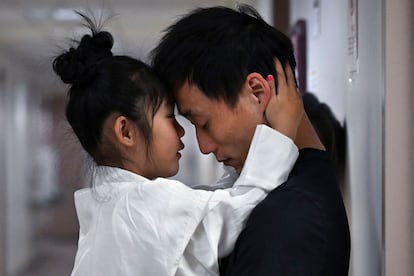
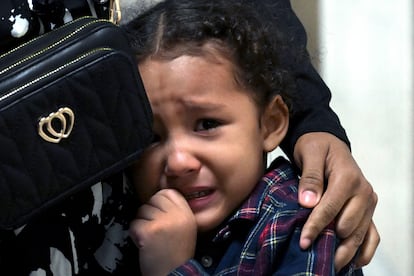
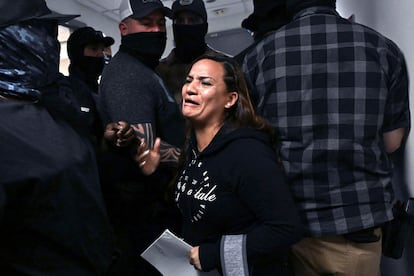
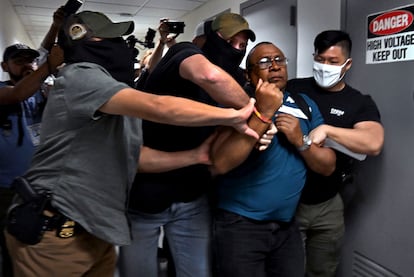
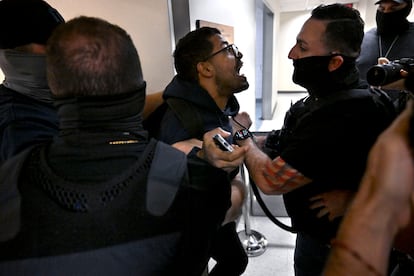
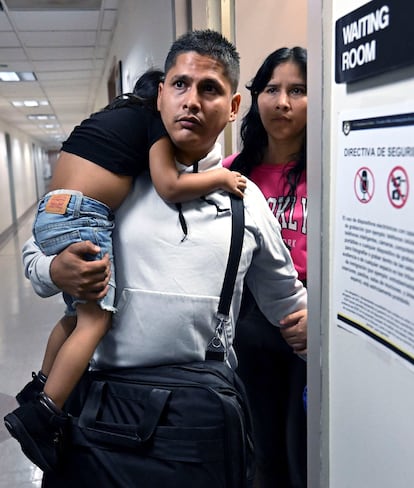
American photographer Carol Guzy, four-time winner of the Pulitzer Prize, has captured bitter family scenes like these during her visits over the past six months to the Jacob K. Javits building in Manhattan. Guzy, who has covered wars and natural disasters, says that in the face of the U.S. government's brutal anti-immigration crusade, the work of photojournalists “is more important than ever.”Carol Guzy (Zuma Press / Contacto)American photographer Carol Guzy, four-time winner of the Pulitzer Prize, has captured bitter family scenes like these during her visits over the past six months to the Jacob K. Javits building in Manhattan. Guzy, who has covered wars and natural disasters, says that in the face of the U.S. government's brutal anti-immigration crusade, the work of photojournalists “is more important than ever.”Carol Guzy (Zuma Press / Contacto)American photographer Carol Guzy, four-time winner of the Pulitzer Prize, has captured bitter family scenes like these during her visits over the past six months to the Jacob K. Javits building in Manhattan. Guzy, who has covered wars and natural disasters, says that in the face of the U.S. government's brutal anti-immigration crusade, the work of photojournalists “is more important than ever.”Carol Guzy (Zuma Press / Contacto)American photographer Carol Guzy, four-time winner of the Pulitzer Prize, has captured bitter family scenes like these during her visits over the past six months to the Jacob K. Javits building in Manhattan. Guzy, who has covered wars and natural disasters, says that in the face of the U.S. government's brutal anti-immigration crusade, the work of photojournalists “is more important than ever.”Carol Guzy (Zuma Press / Contacto)American photographer Carol Guzy, four-time winner of the Pulitzer Prize, has captured bitter family scenes like these during her visits over the past six months to the Jacob K. Javits building in Manhattan. Guzy, who has covered wars and natural disasters, says that in the face of the U.S. government's brutal anti-immigration crusade, the work of photojournalists “is more important than ever.”Carol Guzy (Zuma Press / Contacto)American photographer Carol Guzy, four-time winner of the Pulitzer Prize, has captured bitter family scenes like these during her visits over the past six months to the Jacob K. Javits building in Manhattan. Guzy, who has covered wars and natural disasters, says that in the face of the U.S. government's brutal anti-immigration crusade, the work of photojournalists “is more important than ever.”Carol Guzy (Zuma Press / Contacto)American photographer Carol Guzy, four-time winner of the Pulitzer Prize, has captured bitter family scenes like these during her visits over the past six months to the Jacob K. Javits building in Manhattan. Guzy, who has covered wars and natural disasters, says that in the face of the U.S. government's brutal anti-immigration crusade, the work of photojournalists “is more important than ever.”Carol Guzy (Zuma Press / Contacto)American photographer Carol Guzy, four-time winner of the Pulitzer Prize, has captured bitter family scenes like these during her visits over the past six months to the Jacob K. Javits building in Manhattan. Guzy, who has covered wars and natural disasters, says that in the face of the U.S. government's brutal anti-immigration crusade, the work of photojournalists “is more important than ever.”Carol Guzy (Zuma Press / Contacto)American photographer Carol Guzy, four-time winner of the Pulitzer Prize, has captured bitter family scenes like these during her visits over the past six months to the Jacob K. Javits building in Manhattan. Guzy, who has covered wars and natural disasters, says that in the face of the U.S. government's brutal anti-immigration crusade, the work of photojournalists “is more important than ever.”Carol Guzy (Zuma Press / Contacto)American photographer Carol Guzy, four-time winner of the Pulitzer Prize, has captured bitter family scenes like these during her visits over the past six months to the Jacob K. Javits building in Manhattan. Guzy, who has covered wars and natural disasters, says that in the face of the U.S. government's brutal anti-immigration crusade, the work of photojournalists “is more important than ever.”Carol Guzy (Zuma Press / Contacto)American photographer Carol Guzy, four-time winner of the Pulitzer Prize, has captured bitter family scenes like these during her visits over the past six months to the Jacob K. Javits building in Manhattan. Guzy, who has covered wars and natural disasters, says that in the face of the U.S. government's brutal anti-immigration crusade, the work of photojournalists “is more important than ever.”Carol Guzy (Zuma Press / Contacto)American photographer Carol Guzy, four-time winner of the Pulitzer Prize, has captured bitter family scenes like these during her visits over the past six months to the Jacob K. Javits building in Manhattan. Guzy, who has covered wars and natural disasters, says that in the face of the U.S. government's brutal anti-immigration crusade, the work of photojournalists “is more important than ever.”Carol Guzy (Zuma Press / Contacto)American photographer Carol Guzy, four-time winner of the Pulitzer Prize, has captured bitter family scenes like these during her visits over the past six months to the Jacob K. Javits building in Manhattan. Guzy, who has covered wars and natural disasters, says that in the face of the U.S. government's brutal anti-immigration crusade, the work of photojournalists “is more important than ever.”Carol Guzy (Zuma Press / Contacto)American photographer Carol Guzy, four-time winner of the Pulitzer Prize, has captured bitter family scenes like these during her visits over the past six months to the Jacob K. Javits building in Manhattan. Guzy, who has covered wars and natural disasters, says that in the face of the U.S. government's brutal anti-immigration crusade, the work of photojournalists “is more important than ever.”Carol Guzy (Zuma Press / Contacto)American photographer Carol Guzy, four-time winner of the Pulitzer Prize, has captured bitter family scenes like these during her visits over the past six months to the Jacob K. Javits building in Manhattan. Guzy, who has covered wars and natural disasters, says that in the face of the U.S. government's brutal anti-immigration crusade, the work of photojournalists “is more important than ever.”Carol Guzy (Zuma Press / Contacto)
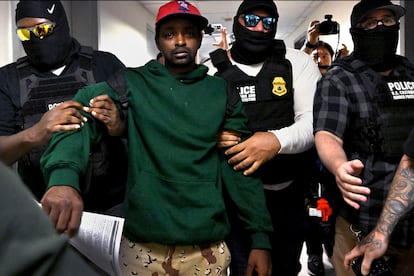
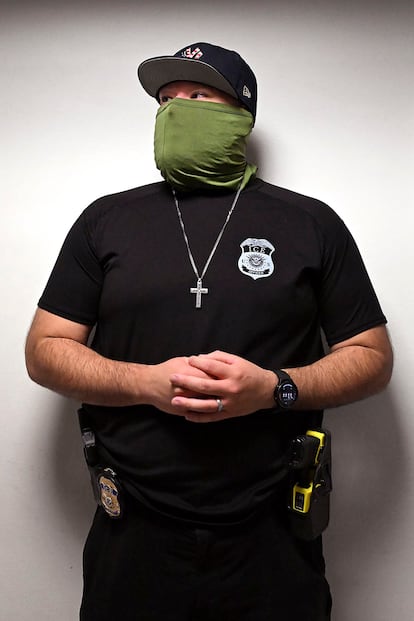
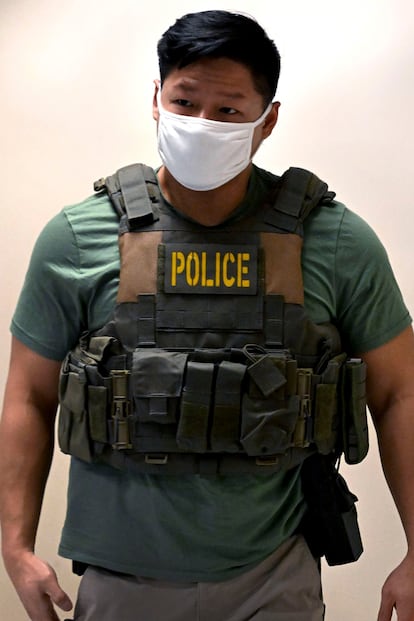
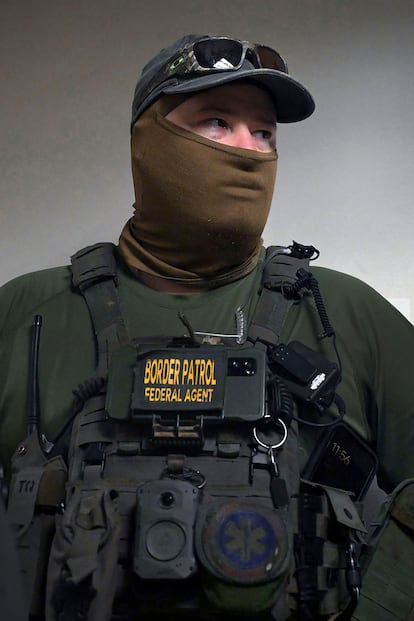
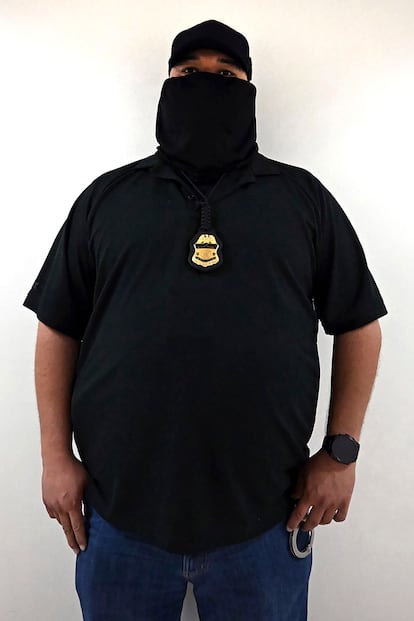
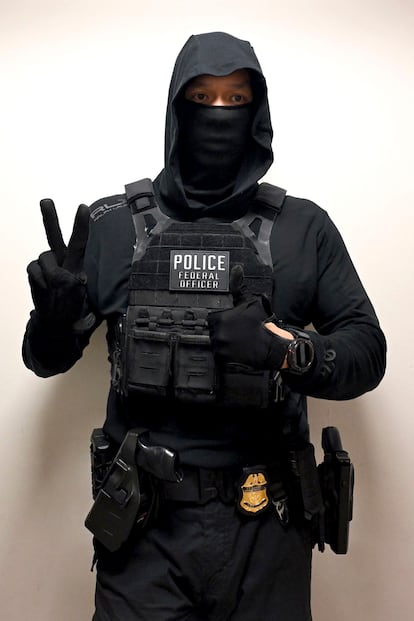
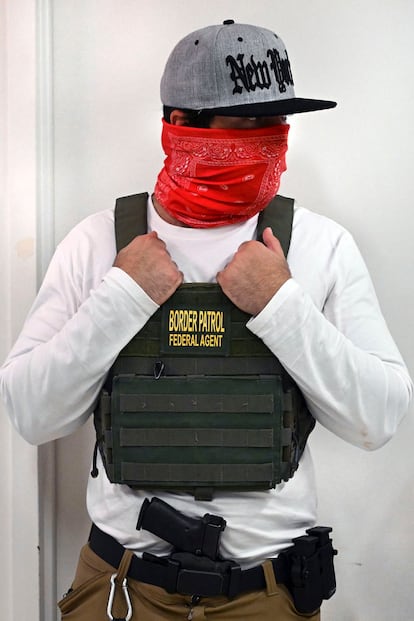
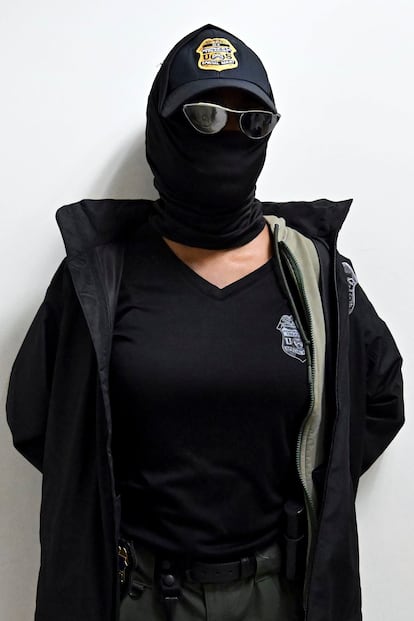
The image of the woman and her daughter weeping beside the building’s security guard was selected by Time as one of the 100 best of 2025. But Guzy has hundreds more photographs like that one. On their own, they convey the terror that has taken hold across the country. Agents — the vast majority of them burly men, their faces covered — dragging detainees by the arms as their relatives cling to them desperately, pulling at their T-shirts. Women who, through their own tears, try to comfort their children without having the faintest idea what will become of their families. Children who plead in vain with officers not to take their parents away.
The loss of a parent is something Guzy knows firsthand: her father passed away when she was six. “I see these kids screaming and crying, and I know that an eternal hole is left in the heart of a child when they lose a parent,” she says. “I’ve been doing this for 40 years, and I have a ton of empathy. That helps make compelling images, but it certainly makes your heart break harder as a human being. It’s been very tough,” she affirms, adding, “We’re not walking cameras. We’re not robots.”
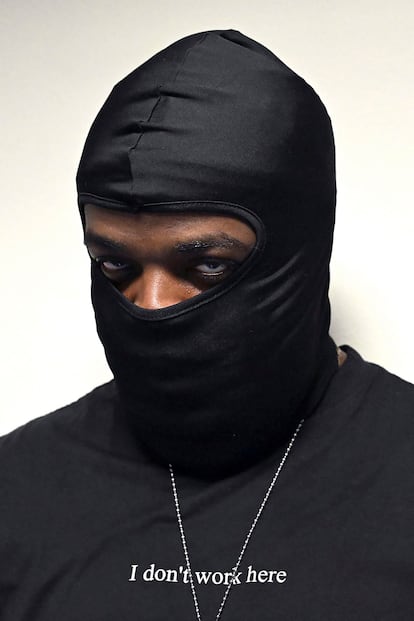
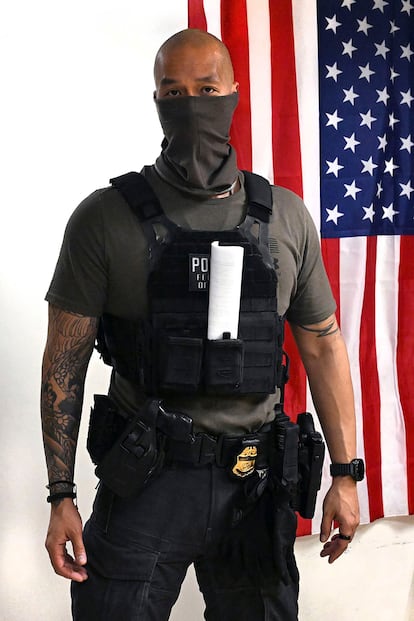
Portraits of various ICE agents and other officials at the Jacob K. Javits Federal Building in New York, where many immigrants go for court appearances, photographed between July 7 and November 7, 2025.Carol Guzy (Zuma Press / Contacto)Portraits of various ICE agents and other officials at the Jacob K. Javits Federal Building in New York, where many immigrants go for court appearances, photographed between July 7 and November 7, 2025.Carol Guzy (Zuma Press / Contacto)Portraits of various ICE agents and other officials at the Jacob K. Javits Federal Building in New York, where many immigrants go for court appearances, photographed between July 7 and November 7, 2025.Carol Guzy (Zuma Press / Contacto)Portraits of various ICE agents and other officials at the Jacob K. Javits Federal Building in New York, where many immigrants go for court appearances, photographed between July 7 and November 7, 2025.Carol Guzy (Zuma Press / Contacto)Portraits of various ICE agents and other officials at the Jacob K. Javits Federal Building in New York, where many immigrants go for court appearances, photographed between July 7 and November 7, 2025.Carol Guzy (Zuma Press / Contacto)Portraits of various ICE agents and other officials at the Jacob K. Javits Federal Building in New York, where many immigrants go for court appearances, photographed between July 7 and November 7, 2025.Carol Guzy (Zuma Press / Contacto)Portraits of various ICE agents and other officials at the Jacob K. Javits Federal Building in New York, where many immigrants go for court appearances, photographed between July 7 and November 7, 2025.Carol Guzy (Zuma Press / Contacto)Portraits of various ICE agents and other officials at the Jacob K. Javits Federal Building in New York, where many immigrants go for court appearances, photographed between July 7 and November 7, 2025.Carol Guzy (Zuma Press / Contacto)Portraits of various ICE agents and other officials at the Jacob K. Javits Federal Building in New York, where many immigrants go for court appearances, photographed between July 7 and November 7, 2025.Carol Guzy (Zuma Press / Contacto)Portraits of various ICE agents and other officials at the Jacob K. Javits Federal Building in New York, where many immigrants go for court appearances, photographed between July 7 and November 7, 2025.Carol Guzy (Zuma Press / Contacto)
After nearly six months photographing inside 26 Federal Plaza, Guzy traveled to Minneapolis, the city in the U.S. Midwest that became the focus of Donald Trump’s campaign of mass arrests and deportations a few weeks ago, with a massive deployment of agents from the immigration police. But it has also become the frontline of resistance against it, with massive protests and clashes between citizens and the agents deployed by the White House. Two citizens have been shot dead by these agents while protesting: Renee Good and Alex Pretti. Both deaths were recorded by witnesses — videos that have served to prove the falsity of the government’s version of events, which in both cases blamed the victims.
In this context, for Guzy, the power of the image has become undeniable. “It’s our challenge in the face of the disinformation being disseminated, both for us as photographers and for these brave, brave residents who are standing out there with their cell phones documenting, like Alex Pretti. It’s absolutely imperative that the truth is documented.”
Yonquenide, a Latino immigrant, carries his son Emmanuel in his arms in the presence of his wife, Franyelis. He is about to be detained by ICE agents after appearing before a judge. They will barely give him five minutes to say goodbye.Carol Guzy (Zuma Press / Contacto)
Sign up for our weekly newsletter to get more English-language news coverage from EL PAÍS USA Edition