
Emiliano Bruner, paleoneurobiologist: ‘With this big brain, we are intelligent and sad monkeys’
The scientist argues that obesity is the result of an evolutionary mismatch between brain programming and our social context

The scientist argues that obesity is the result of an evolutionary mismatch between brain programming and our social context
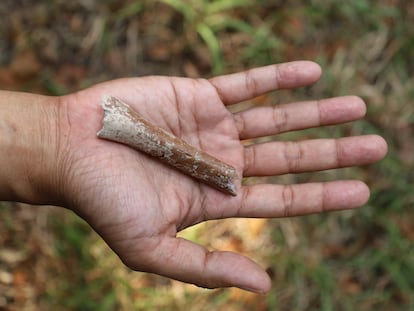
Ancient humans who lived on an Indonesian island up to 50,000 years ago are believed to have descended from ‘Homo erectus,’ who became gradually smaller after arriving there a million years ago

The French author reflects on the identity of our species and our tendency to annihilate any other form of humanity

The latest discoveries about the two archaic human species closest to ours reflects constant genetic exchanges
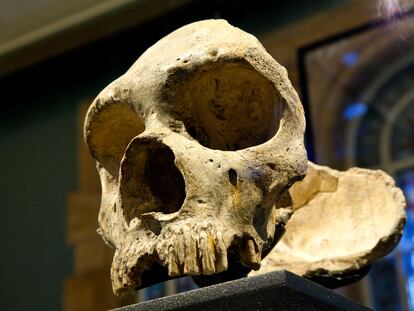
The clans of this human species were smaller than previously thought, and were eventually absorbed by sapiens, according to a new DNA study
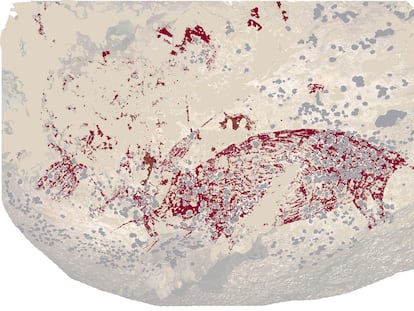
The discovery of a cave hunting scene indicates that rock art dates back even earlier than previously thought
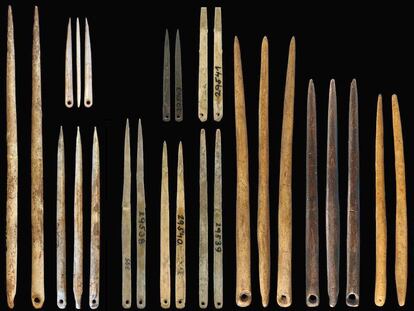
The invention of these tools allowed humans to make multilayered clothing and perhaps even underwear to protect them during in the ice age, argue the authors of a new study
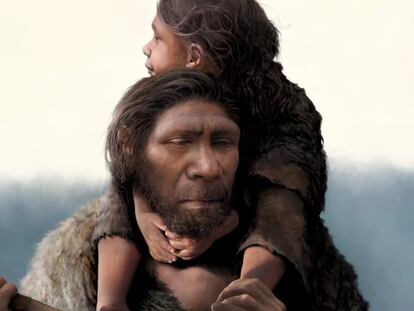
The discovery in Spain of the fossil of a six-year-old child with serious ear injuries suggests that their family took care of them without expecting anything in return
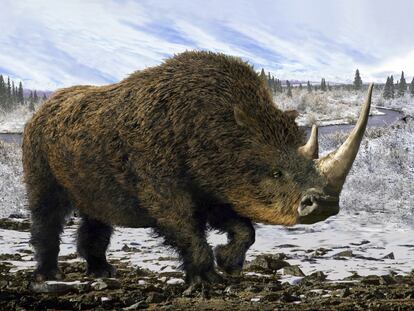
Of the more than 60 species of megafauna that existed during the last ice age, only eight remain and most are in critical danger of disappearing
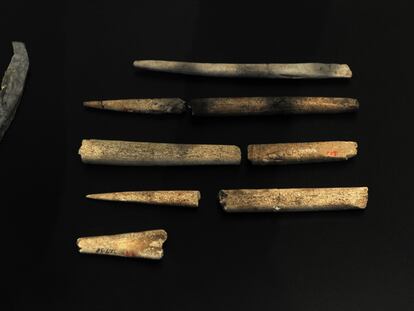
Researchers propose that cumulative culture may predate the separation of the Neanderthal and ‘Homo Sapiens’ lineages, and that a common ancestor could have developed it
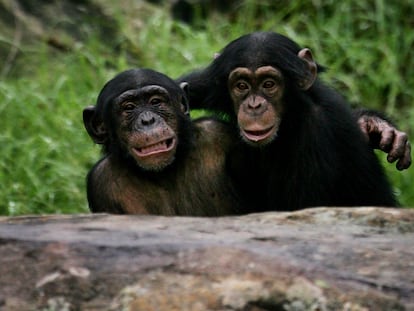
Two experiments have revealed that these animals can acquire behaviors from other members of their same species, which would allow for cultural accumulation

In a conversation with EL PAÍS, one of the most respected paleoanthropologists in the world offers a heterodox look at his work as a researcher. He explains that prehistory brings up questions that are relevant to the present, from issues such as climate change to our relationship with technology

The discovery in Zambia suggests that structural use of wood emerged much earlier than previously thought
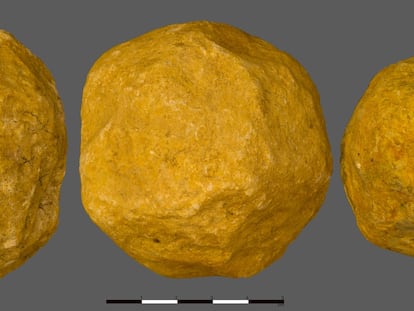
For decades, scientists have pondered the usefulness of certain carved balls found at sites dating back a million and a half years
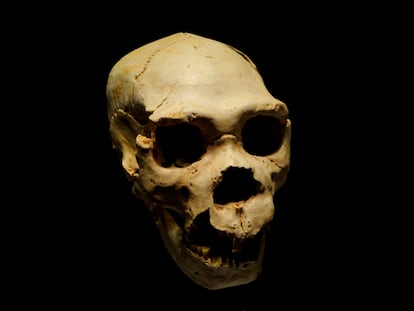
Genetic analysis suggests that the population of human ancestors was on the brink of extinction 930,000 years ago. That may have led to the emergence of a new species
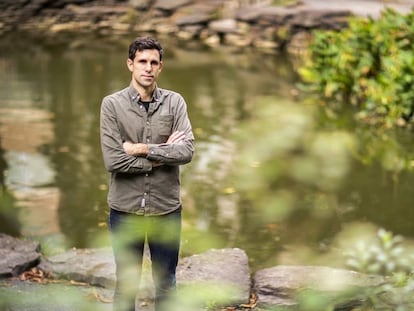
A University of Pennsylvania research team led by Spaniard César de la Fuente is using artificial intelligence to bring extinct human biological material back from the dead
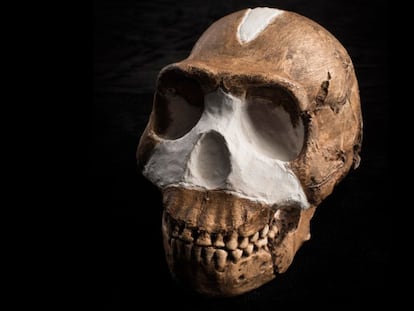
A team of paleontologists believe they have found evidence of ceremonial burials dating back 240,000 years, long before ‘Homo sapiens’ came into existence
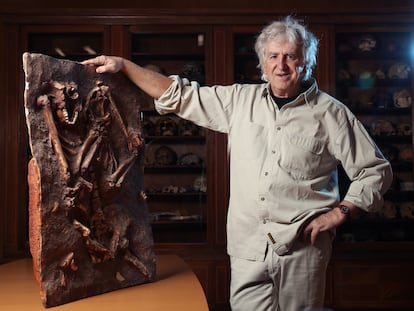
In his new book the paleoanthropologist and co-director of the Atapuerca Foundation describes the origin of the human body, which has determined what we are as a species
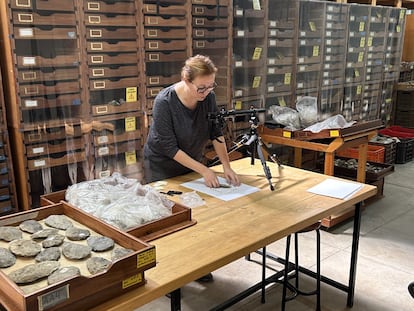
Researchers from the University of Vigo and the Complutense University of Madrid discover a stock of lithic tools in Ethiopia, revealing the ‘planning ability’ of Homo erectus
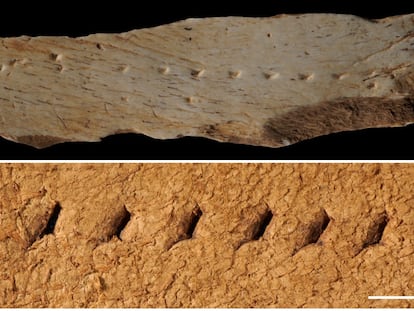
A carved bone found near Barcelona was used to sew animal skin tens of thousands of years ago, well before the arrival of the needle to Europe
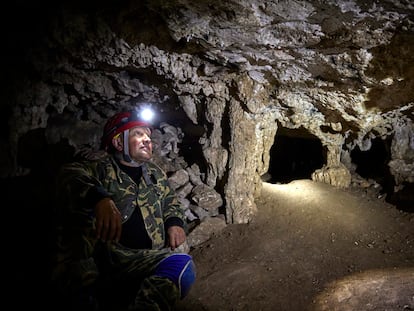
The Malalmuerzo cave in Granada is estimated to have been home to up to 250 generations of early humans during the Last Glacial Maximum, which devastated Europe 19,000-25,000 years ago.
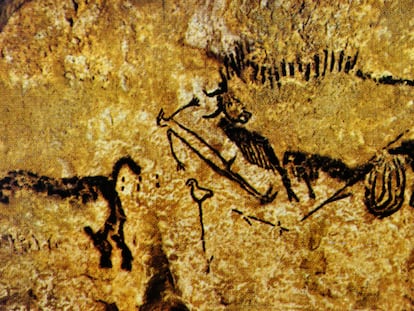
A wall painting depicting a dead man alongside a bison and rhinoceros has intrigued researchers since it was discovered in 1940
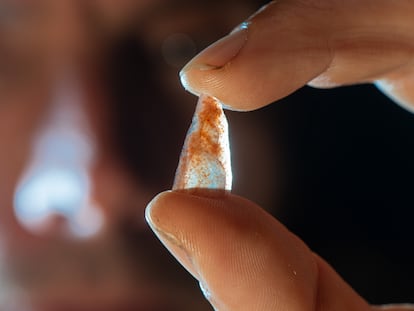
Hundreds of small stones found in a cave in southern France indicate that both species met millennia earlier than previously thought
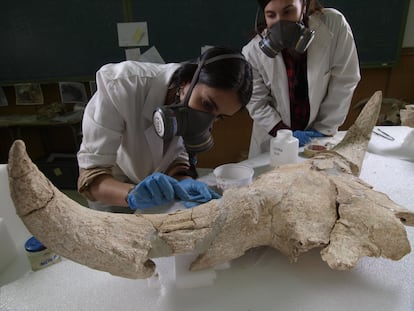
Researchers found an unusual collection of bison, wild bull, deer and rhinoceros craniums near Madrid, and believe they likely served ceremonial purposes