
UN takes ‘historic’ step and declares neglected tropical diseases a human rights issue
A resolution led by Malawi and adopted unanimously recognizes that combating these conditions, which affect more than 1 billion people, requires action against factors such as poverty, lack of safe water and discrimination
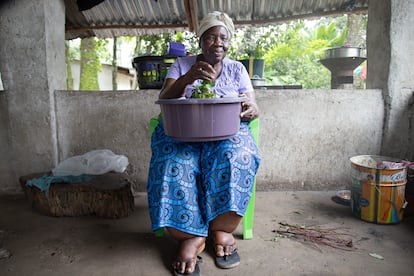

For two decades, Blandine Madom has lived with lymphatic filariasis, a parasitic disease better known as elephantiasis, which causes severe swelling of the limbs. When EL PAÍS met her last February in a Baka settlement in southern Cameroon, her legs were badly swollen from the condition, one of the roughly 20 illnesses classified by the World Health Organization (WHO) as neglected tropical diseases.
In the same community — one of the most isolated in the region and with very limited access to healthcare — lives Jean Paul Man, who has suffered from leprosy for the past two years, despite the fact that it is a curable disease. When he was interviewed, his elbows were wrapped in bandages covering wounds that refused to heal. “It hurts. Now I have maggots,” he said at the time.
The stories of Madom and Man help explain why the United Nations Human Rights Council has just taken an unprecedented step with a resolution adopted on Tuesday in Geneva: recognizing that neglected tropical diseases are not only a medical problem but also a human rights issue. The resolution, introduced by Malawi and five other African countries — The Gambia, Morocco, Tanzania, Kenya and Burkina Faso — and adopted unanimously, does not establish treatment for neglected tropical diseases as a right in itself. Rather, it acknowledges that tackling these diseases requires far more than access to medicines and public-health campaigns.
People who suffer these conditions live not only with a parasite, bacterium or virus but also with poverty, isolation, lack of safe drinking water, barriers to accessing health care and the stigma that accompanies many of these diseases.
“This is a historic resolution because these diseases affect more than 1 billion people worldwide and most of them live in poverty, inhabit remote areas or informal settlements, are refugees or suffer the effects of climate change,” says Pacharo Kayira, Malawi’s permanent representative to the U.N., who led the technical and political negotiations on the resolution, by videoconference. “Among the most affected populations are women and girls, who also tend to face greater discrimination and more limited access to health care, education and safe water,” he adds.
Until now, these conditions had been addressed almost exclusively as a health problem. In 2021, WHO launched a roadmap to control, eliminate or eradicate some of these diseases by 2030 through mass treatment campaigns, research and strengthening health systems. “The public health approach is a good start, but the human rights approach covers much more: the dignity of the people,” says Kayira.
“Eliminating these diseases is a fundamental right for millions of people,” says Juan Gamboa, director general of the Anesvad Foundation, an organization that, together with Uniting to Combat NTDs, was part of Malawi’s technical team in drafting and negotiating the resolution.
Practical consequences
That shift in approach has practical consequences. If neglected tropical diseases are seen solely as a health problem, the response focuses on guaranteeing access to medicines, improving diagnosis and reinforcing health systems. But if they are also understood as a human rights issue, broader questions come into play — questions that help determine who falls ill and who does not.
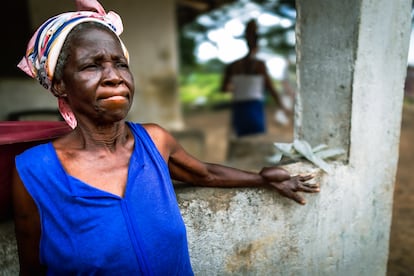
“Until now it seemed the response depended almost exclusively on health ministries,” explains Inés Egino, strategic alliances manager at the Anesvad Foundation and a member of the technical team that supported Malawi in drafting the resolution. “A person does not stop being vulnerable just because they receive the treatment they need. If they return to a context without safe water, sanitation or access to education, the conditions that favored transmission remain,” the expert says in a videoconference with this newspaper, stressing that this “cycle of poverty” is precisely what the resolution seeks to break. The resolution, she adds, underwent “more than 200 amendments before being adopted unanimously.”
Although it creates no new legal obligations for states, the resolution does mark the beginning of a new political phase. For the first time, neglected tropical diseases have been placed firmly on the agenda of the U.N. Human Rights Council, a body that has so far paid little attention to these illnesses and that can mobilize tools beyond those available through public-health policy alone, Egino explains.
The resolution’s adoption is not the end of the process. Its next major milestone will be a report to be presented in 2027 by the Office of the United Nations High Commissioner for Human Rights. The document will examine how neglected tropical diseases affect the enjoyment of fundamental rights and will propose measures to help states prevent and combat them through a rights-based approach.
“We hope that report will be the bridge between this political resolution and concrete measures,” Kayira says. “It should examine how human rights mechanisms can contribute to ending these diseases and propose recommendations for states at the national, regional and international levels.”
For Egino, that mandate is the resolution’s most significant achievement. “It expands both the scope of the debate on these diseases and the political responsibilities to confront them, through a human rights approach focused on the needs of affected people,” she says.
Nevertheless, the resolution, its backers acknowledge, is only the first step. “Political will and financial commitments are needed to ensure we can eliminate these diseases in our generation,” adds Gamboa.
For people like Blandine Madom and Jean Paul Man, the effects of the resolution will not be immediate. No text adopted in Geneva will reduce the swelling caused by elephantiasis overnight or heal wounds left open by leprosy. But those behind the initiative hope that recognizing these diseases as a human-rights issue will help address the causes that allow them to persist: poverty, isolation and the lack of basic services that continue to shape the lives of millions of people.









































