
Anne Hathaway, Martin Scorsese, Charlie XCX... Hollywood lands on Letterboxd: An impossible romance?
Increasingly, major stars are using the film review platform, while recently famous names have had their anonymous critiques exposed. In any case, the debate has begun about whether the app will maintain its authenticity and credibility

In 2011, Karl von Randow and Matt Buchanan, two tech-loving New Zealand film buffs, launched Letterboxd, a movie review and rating app inspired by Goodreads, the platform that does the same for books. For several years, they juggled this small project with their work at a web design studio. Then came the Covid-19 pandemic. In March 2020, they hired their first full-time employee, and with the world confined to their homes, their user base exploded. In 2023, the company was acquired by the Canadian company Tiny and today boasts over 26 million user profiles. While this figure seems insignificant compared to companies like Instagram (with around three billion active users), it reflects the cultural power of film as a source of conversation. Those who love movies enjoy watching them as much as discussing and analyzing them in detail, and Letterboxd is aimed at that community — including famous filmmakers and performers.
Figures like Martin Scorsese and Francis Ford Coppola — who didn’t hesitate to give his film Megalopolis the maximum five stars — have long been part of the app. As an introduction, each user chooses their four favorite films of all time, valuable information that generates great interest when that choice comes from someone famous. Singer Charli XCX (a relative newcomer to the film world), actor Kyle MacLachlan, and comedian Rachel Sennott (whose favorite films include Pedro Almodóvar’s Women on the Verge of a Nervous Breakdown) have also contributed to Letterboxd’s lists.
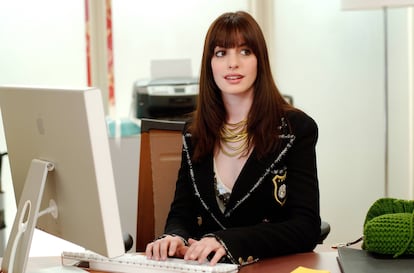
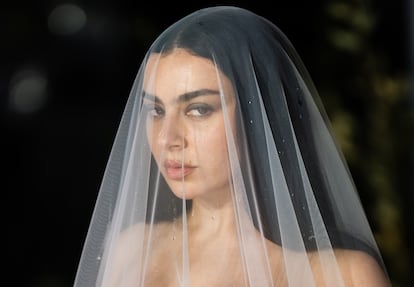
In fact, the platform has become the new online “place to be” and celebrity names appear week after week among those wanting to be part of the phenomenon. However, in many cases, it’s more of a publicity strategy than genuine interest. For example, actress Anne Hathaway publicly shared her profile right in the middle of promoting The Devil Wears Prada 2. Charli XCX used the platform to unveil the songs on her soundtrack for the latest adaptation of Wuthering Heights, directed by Emerald Fennell. Singers Paul McCartney and Ed Sheeran, filmmaker Sean Baker, actress Cynthia Nixon, German screenwriter Wim Wenders, and Stranger Things star Dacre Montgomery are also users of the app, although not all of them review films frequently.
Criticizing the criticism
Newly arrived stars are very careful about what they post, but what about those actors and actresses, anonymous until recently, who have been rating films on Letterboxd for years? There have been several cases of celebrities with anonymous profiles that have been unmasked by users of the app. This is how Charlie XCX’s private account, which is currently very popular (“my account got leaked I guess,” reads her profile bio), came to light. After her username became public, some media outlets claimed that the artist deleted all the films she hadn’t rated positively. And this gesture is quite significant on a platform that, in theory, seeks to create a community of people with diverse tastes but united by their passion for films and their interest in reviewing them honestly.
When celebrities join the ranks of the world’s anonymous consumers — whether by choice or not — but don’t transparently share their tastes, Letterboxd’s raison d’être loses much of its meaning, as it becomes subject to other interests. However, considering the reaction some people have to honest reviews from famous individuals, it’s no surprise that many prominent figures in the film and entertainment industry prefer to keep their opinions to themselves.
“Please Let Celebrities Have Letterboxd Accounts in Peace,” read the headline of a Vulture opinion piece published in January. The article alluded to “boxxeding,” a play on words combining Letterboxd and doxxing (revealing private information), which could be translated as exposing the information of a private Letterboxd account without permission. With this term, the publication referred to the controversy surrounding Hudson Williams’s account, a case that highlighted how the age-old debate between low and high culture still reigns supreme in the digital sphere.
Williams, the actor from the series Heated Rivalry, the unexpected television phenomenon that catapulted its unknown stars to fame a few months ago, had a Letterboxd profile before becoming a public figure. As happened to Charli XCX, his account was discovered and exposed. Many users questioned his taste, mocked his favorite films, and shared some of his old reviews, where he expressed all sorts of opinions, such as that he didn’t think Pedro Pascal was a good actor or that Timothée Chalamet’s performance in Dune wasn’t the best of his career. Williams ended up closing his profile.
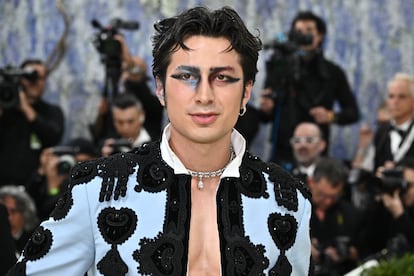
And he is not the only one to be “boxxed.” Ayo Edebiri, one of the stars of the hit show The Bear, also ended up leaving the platform, on which she shared sharp, humorous reviews, when the scrutiny of everything she had published before becoming famous became too intense. “We no longer judge creators solely on their work, but also on their tastes. Before, a celebrity could give their opinion on a film with little impact; today, every review is archived, analyzed, and questioned. As if taste were part of the public’s casting. And perhaps that’s where we’re being too demanding: admiring someone doesn’t mean they have to fit into all our favorite genres and expectations,” reflects Meriidiano, a content creator specializing in film.
Carlos Fernández, a PhD in artistic, literary, and cultural studies and film critic on social media and the website Bandeja de Plata, echoes this sentiment, pointing out that self-censorship could dictate a significant portion of reviews from public figures: “Many of these celebrities exposed on Letterboxd will feel intimidated when it comes to revealing their tastes to the public and will tailor their lists or preferences to satisfy the fandom or avoid being trolled, without realizing that they will always be criticized for either going too far or not going far enough. Those who use the app according to its true purpose will never reveal their identity because they know that from that moment on they will be censored by the general public, or by themselves in self-defense.”
For Víctor Salmeron, film critic at @cinemaexcelsiorr and a longtime Letterboxd user, the platform, rather than sparking a debate between high and low culture, identifies “that current need to be absolutely flawless in what you do and think.” He points out that, thanks to the app, he has learned to “revalue certain more popular or mainstream types of cinema” that the media outlets he grew up with relegated to the background. “To give an example,” he explains, “I think the resurgence of Twilight as a relevant film for its generation has been thanks to the democratization of film opinion through social media and Letterboxd.”
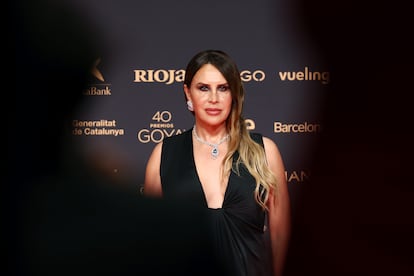
Recalling past opinions that celebrities shared online when they weren’t famous is nothing new. Many public figures have had to apologize for old messages, especially those posted on social media. In this regard, the case of Karla Sofía Gascón has been one of the most talked-about in recent years. However, there’s a difference between criticizing objectively reprehensible comments and messages (and the debate on that would be endless) and questioning personal tastes in film.
Letterboxd continues its rapid growth, and the arrival of major stars is boosting the app’s visibility. However, on the other hand, its authenticity and credibility could be compromised. Will Anne Hathaway speak ill of films by colleagues and directors she might have the opportunity to work with? It wouldn’t be surprising if the app ended up becoming just another work tool for stars, like Instagram, often necessary to fuel promotional campaigns or brand deals.
This notoriety provided by major figures in contemporary cinema could also impact the type of audience that spends the most time on the app: young people aged between 18 and 24, followed by those aged 25 to 35. Typically — or at least this was the case with Facebook and Instagram — when an older audience arrives en masse on a social network, younger users seek new platforms. In short, 15 years after its launch, the platform has already connected with the mainstream audience and is no longer an exclusive haven for film buffs. Proof of this is that major production companies are present on the app, and Letterboxd itself has amassed millions of followers on networks like Instagram and TikTok, where its videos interviewing celebrities on the red carpet or its film lists garner tens of thousands of views.
The next step, as has been rumored for years, would be to open up to reviews of television series (currently, only miniseries and television movies are available, in addition to special titles like Black Mirror), but there is a great division of opinion among fans of the platform that has successfully leveraged its cultural capital in terms of film. As The New York Times noted in an article in February, “the entertainment industry is in crisis, but a social network for film enthusiasts is taking off,” and this success is reflected not only in the millions of users who interact on the platform, but also in the very perception one can develop of films and the way they are consumed.
Sign up for our weekly newsletter to get more English-language news coverage from EL PAÍS USA Edition









































