
Fetterman ‘on path to recovery,’ will be out for more weeks
Fetterman is being treated at Walter Reed National Military Medical Center, where he checked in Feb. 15 as he was still struggling with the aftereffects of a stroke
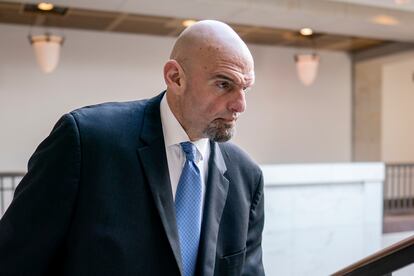
A spokesman for Pennsylvania Sen. John Fetterman says the Democrat is “on a path to recovery” after checking himself into a hospital for clinical depression earlier this month, and he is still expected to be away from the Senate for several weeks.
“We understand the intense interest in John’s status and especially appreciate the flood of well-wishes,” Fetterman’s communications director, Joe Calvello, said in a statement Monday afternoon. “However, as we have said this will be a weeks-long process and while we will be sure to keep folks updated as it progresses, this is all there is to give by way of an update.”
Fetterman is being treated at Walter Reed National Military Medical Center, where he checked in Feb. 15 as he was still struggling with the aftereffects of a stroke. His office said at the time that he had experienced depression “off and on throughout his life,” but it had only become severe in recent weeks. Capitol Physician Brian P. Monahan recommended his hospitalization after an evaluation, his office said then.
Fetterman, 53, suffered the stroke last May as he was campaigning in a tough Senate race against GOP nominee Dr. Mehmet Oz. He won the election in November and was sworn in Jan. 3, giving Democrats an extra seat in the Senate and a 51-49 majority.
One of Fetterman’s main aftereffects from the stroke is auditory processing disorder, which can render someone unable to speak fluidly and quickly process spoken conversation into meaning. To manage it, Fetterman uses devices in conversations, meetings and congressional hearings that transcribe spoken words in real time.
Post-stroke depression is common, with one in three stroke patients suffering from it, and is treatable through antidepressant medication and counseling, doctors say.
Pennsylvania’s other senator, Democrat Bob Casey, returned to the Senate on Monday. He had also been away in recent weeks after he underwent surgery for prostate cancer.
Sign up for our weekly newsletter to get more English-language news coverage from EL PAÍS USA Edition









































