
80th anniversary of the end of World War II: How does a country fall into the abyss of hatred?
There are still too many unanswered questions, many aspects to be studied, and deep taboos surrounding the most devastating conflict in history

There are still too many unanswered questions, many aspects to be studied, and deep taboos surrounding the most devastating conflict in history
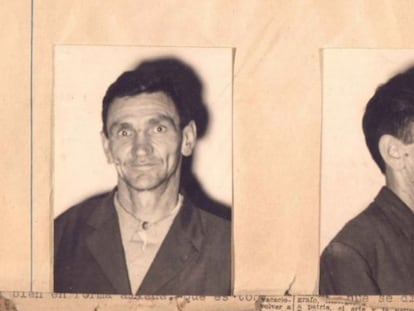
In September 1960, Argentina was captivated by the arrest of a German of humble origins who was mistaken for Adolf Hitler’s closest confidant

From the Magna Carta to World War II, which ended 80 years ago, the history of the continent has been a succession of decisive moments and warnings that no one wanted to heed

At 89, from her home in Jerusalem, she tells her story in order to preserve the memory of the Shoah. According to a recent study, of the more than 200,000 Jewish Holocaust survivors who are still living, 70% will pass away in the next decade
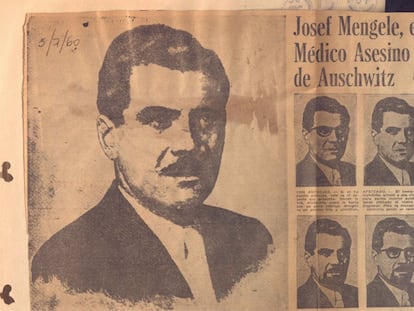
The Milei government has published online declassified files on the activities of war criminals in the country

‘Doctor Dark,’ an opera about assisted suicide, is the latest album by the secretive group that for 50 years has been defending the idea that true art can only be achieved anonymously

A graphic novel titled ‘Audrey’s War’ revisits one of the most difficult chapters in the actress’s life, during which she had to deal with illness and the death of loved ones. ‘In addition to an impeccable career in theater and film, she left us an example of resilience, overcoming obstacles and being true to herself,’ the author says
The US criminal system is a gulag of cruelty and poverty that crushes human beings
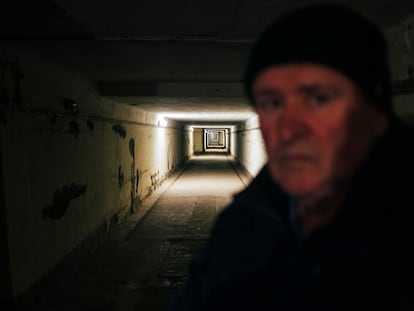
Wünsdorf, a town nicknamed ‘Little Moscow’ during the Cold War because of its gigantic Soviet base, reflects the strong opposition in the former GDR to rearmament policies and support for Ukraine
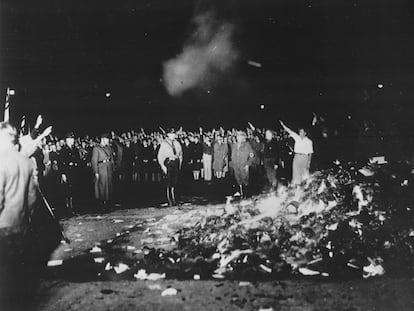
For the National Socialists, everything was political. All forms of culture — from theater and cinema to painting and literature — were turned into instruments of propaganda and antisemitism

The photos she took and the words she wrote in ‘Vogue’ magazine were and remain an indictment of the Holocaust

The former GDR, a stronghold of the AfD, and Vienna, where the extremists won in September, avoided taking responsibility for Nazi crimes as West Germany did
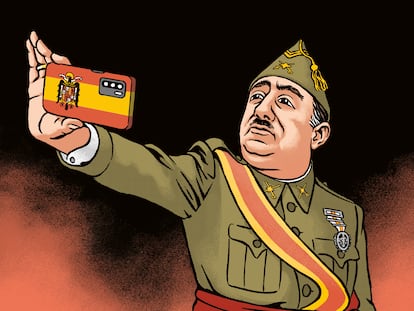
The professor of contemporary history has published a new biography of the dictator, a solid portrait that covers everything from his time in Africa and Hitler’s help at the beginning of the Spanish Civil War to the essential role of the Church in the regime
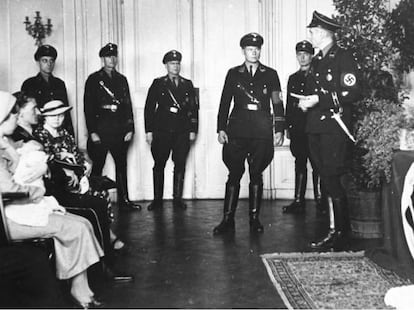
Belgian writer Caroline De Mulder, in a fascinating and terrifying work, describes the workings of the Lebensborn households in ‘Himmler’s Children’
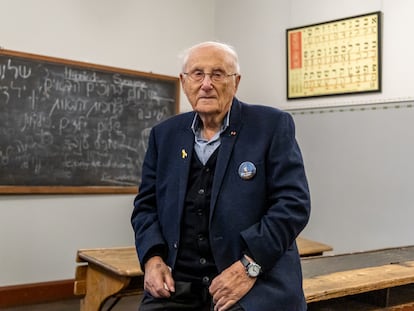
At 99, and after having survived three concentration camps, this citizen decided to return the Order of Merit after the political upheaval caused by the union of the center-right and the far-right against migration
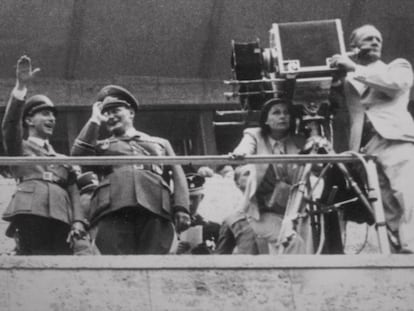
German filmmaker Andres Veiel reexamines the figure of the director of ‘Triumph of the Will’ and ‘Olympia’ through her extensive and valuable private archives
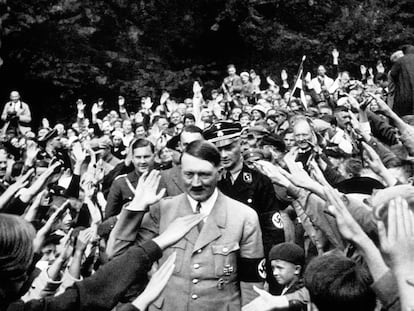
In his new book, the British historian profiles 24 of the Third Reich’s criminals, bursting the cliché of pathological monstrosity
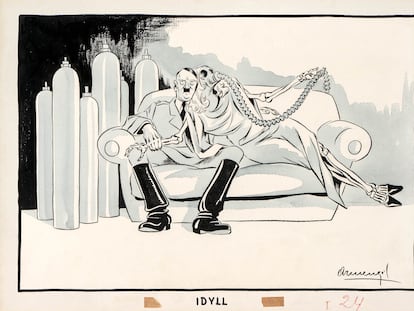
The Catalan artist drew for the British government and now the MuVIM in Valencia is bringing together 150 works in a first major exhibition, 30 years after his death

An exhibition in Berlin pays tribute to the small acts of resistance by anonymous individuals of various social classes and ideologies who risked their lives to confront National Socialism
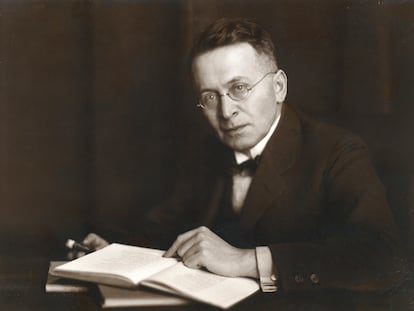
Writer Karl Kraus anticipated the Orwellian vision of a totalitarian society influenced by doublethink that obscured the Fuhrer’s aims
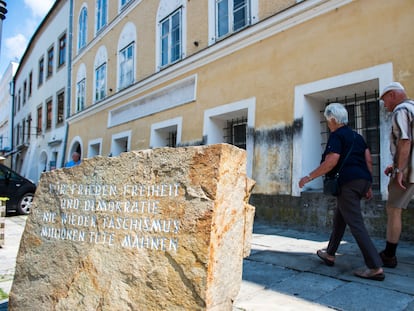
An extraordinary documentary delves into the bitter debate over the fate of the building in the Austrian city of Braunau where the Nazi leader was born
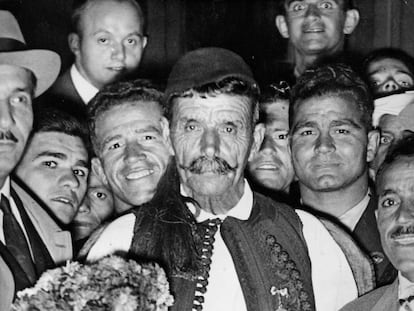
Spyridon Louis, a humble water carrier without any athletics training, was the first great hero of the Olympic Games when, at the last minute and against all odds, he brought victory to Athens in 1896
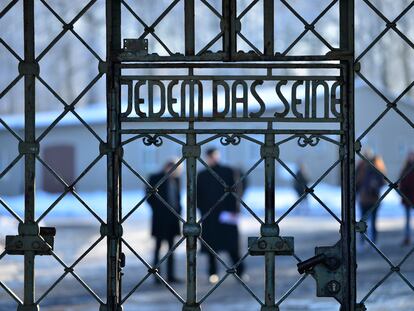
A Weimar exhibition reveals that dozens of professors and students at the school, a hotbed of artistic vanguard in 1930s Germany, were members of the party or accepted commissions from the Third Reich
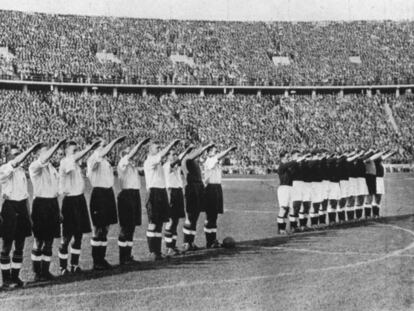
Major sporting events, such as the 1936 Games, served the Reich as loudspeakers for National Socialism, as documented by an exhibition on the grounds of the Olympic Stadium in Berlin
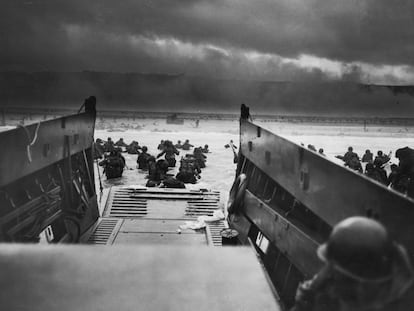
In a new book, retired general Richard Dannatt and expert archivist Allen Packwood analyze the Normandy landings on the 80th anniversary, from the perspective of the prime minister’s contribution to the ‘Longest Day’
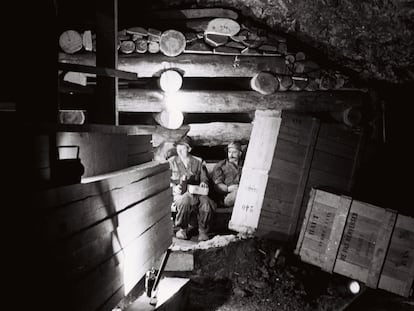
Pieces stolen by the Nazi regime in occupied Europe star in three ambitious simultaneous exhibitions in Austria

The Oświęcim Jewish Museum has acquired negatives discovered in 2020 that reveal the daily life of the residents of the Polish city at the beginning of the Nazi occupation