

Polio is circulating again in the West: What we know so far about transmission in New York and London
Local spread of the disease has been confirmed in the US city, where one man has been paralyzed by the infectious disease
Local spread of the disease has been confirmed in the US city, where one man has been paralyzed by the infectious disease
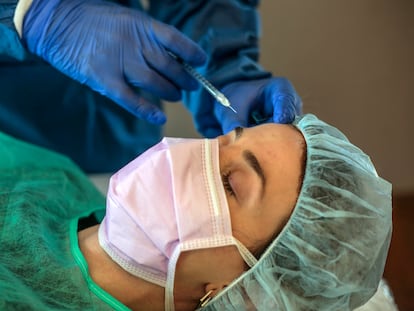
Low-cost clinics, aggressive sales promotions and massive exposure to unreal models of beauty, especially through social media, are misrepresenting the implications of these procedures

The United States has taken the lead in worldwide cases; here is everything you need to know about the disease

An international study tries to find out if there are genetic variants that make some people naturally immune to the coronavirus
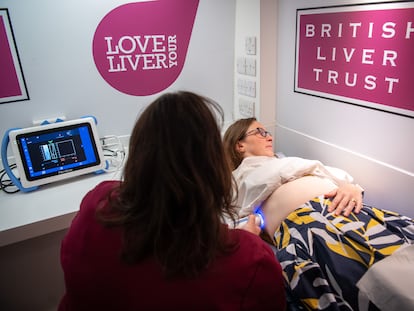
Hepatologists call for less consumption, advertising restrictions, and higher prices for alcohol
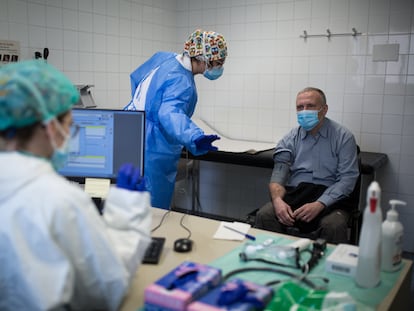
The BA.4 and BA.5 coronavirus omicron subvariants continue to infect and re-infect people in Spain
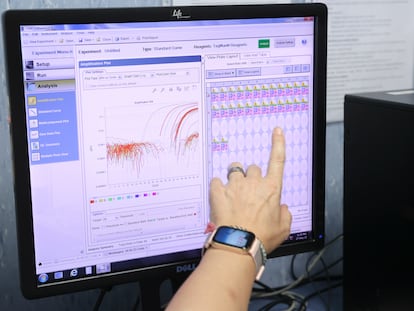
Experts consider the likely path of the virus, as outbreaks begin to occur around the world.
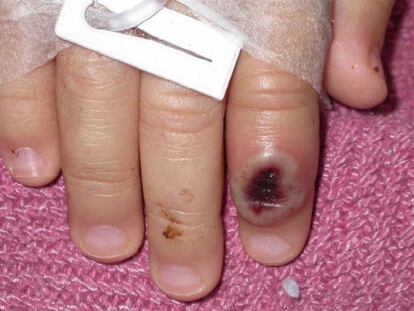
The disease is spreading in Europe and North America, but it is generally mild and experts believe that very close contact with an infected person is required in order to catch it
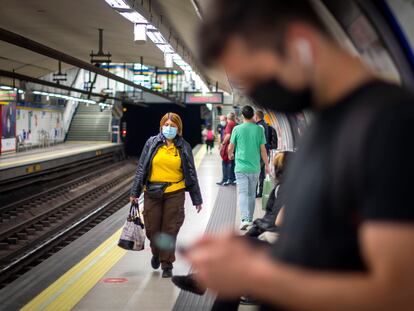
The covering, however, will remain mandatory on public transportation and in health centers, nursing homes and pharmacies
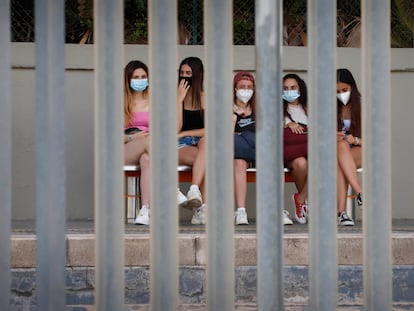
The end of the pandemic probably won’t make headlines. By then, we will have gone so long without masks, quarantine, isolation and lockdowns that it probably won’t seem like big news. But there are things we should remember for next time
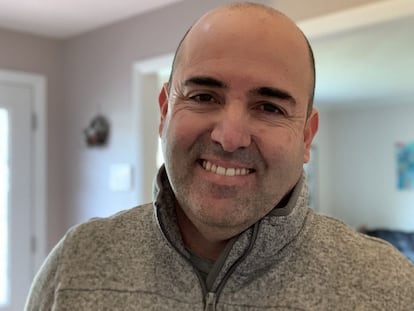
Rolando Pajón, the company’s new medical director for Latin America, explains how he fled to Canada and ended up contributing to the fight against coronavirus

In his book ‘Sedated,’ British psychologist James Davies harshly criticizes the medicalization of emotional problems

The number of coronavirus cases being recorded is still much lower than figures in the West, but the spike has cast doubt on the nation’s zero-Covid strategy
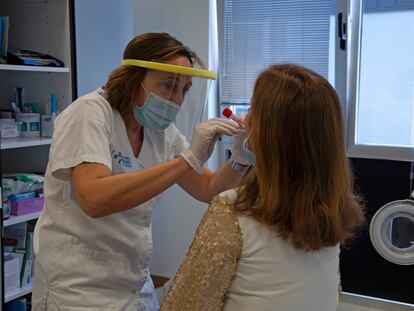
The sentinel network has been used for many years to keep tabs on the flu, but not all European countries have one in place

While a negative test result is not needed to go back to normal life, experts warn that people may still be contagious after the seven-day self-isolation period

The cumulative number of cases has dropped 91 points, but experts warn underreporting and notification delays make it difficult to interpret the data
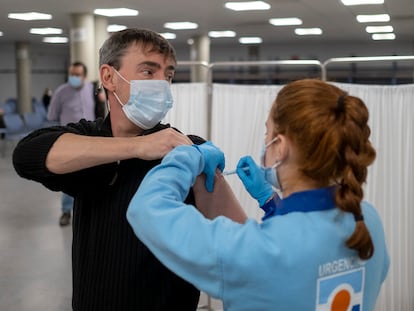
The vaccination campaign has reached 38% of the entire population, which is in line with the EU average but below leading countries such as Denmark, Italy and France
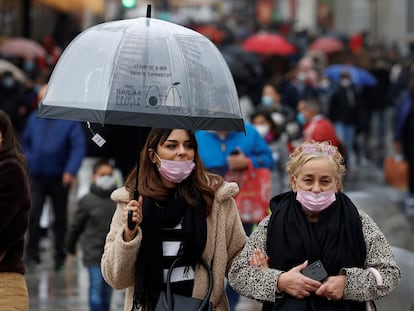
While the curve is still rising, the increase in the cumulative incidence has gone from 90% weekly growth during the Christmas holidays to 17% on Friday
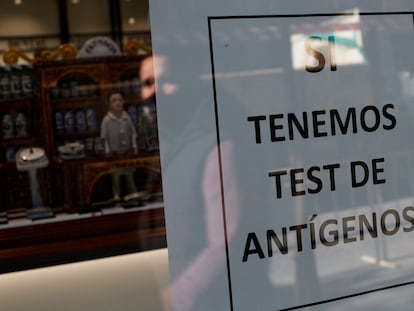
The home kits, which were in high demand over Christmas, can only be bought in pharmacies, not in supermarkets like in other European countries such as Germany, France and Portugal
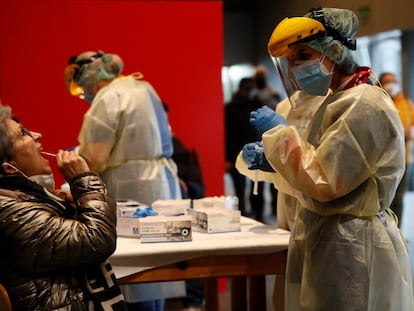
The Health Ministry is finalizing a coronavirus surveillance plan that will mirror the one used for the flu, but a leading WHO official and two primary healthcare associations have expressed reservations
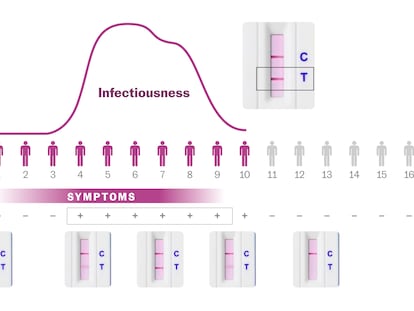
Taking a diagnostic kit after the onset of symptoms may not yield a positive result, while a negative one does not necessarily mean you are not infected; repeat testing is advisable if you suspect infection
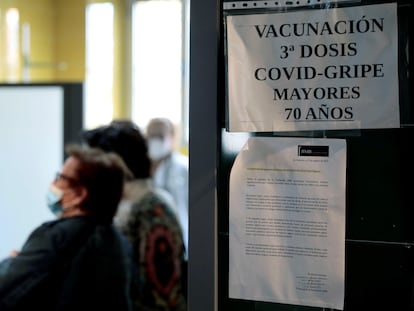
Monitoring will no longer rely on exhaustive infection counts but on a sentinel network of experts. The omicron strain keeps pushing up infections, adding difficulties to the return to school

Luis Enjuanes should be retired by now, but he is heading a team of 16 people trying to develop complete immunization from the coronavirus

Infection curve keeps rising and 12,942 patients have been admitted into medical centers. Of these, 1,983 are in intensive care, near the peaks of earlier surges
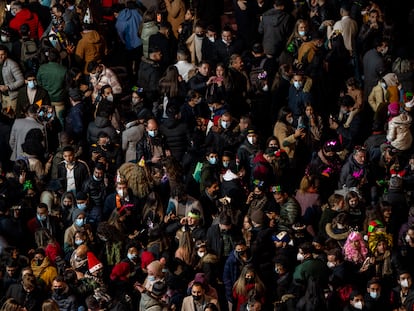
Latest data shows the highest growth in infections since the pandemic began, with levels far above those seen last week after Christmas. Hospitalizations are also rising
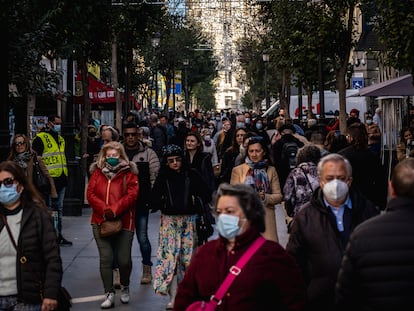
Experts warn existing measures are inefficient but political leaders are hesitant to take tougher steps
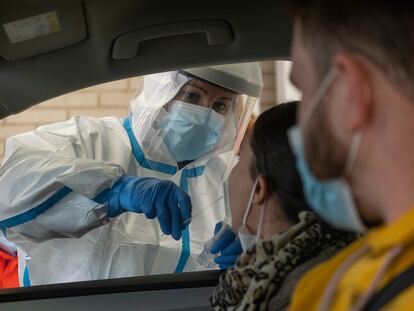
There is a general perception that cases are soaring and that the real incidence is much higher than what is being reported. Could this be true?