
Democratic senators ask Trump administration for details on money from Venezuelan oil sales
Elizabeth Warren, Ron Wyden, and Sheldon Whitehouse said in a letter that the administration has ‘failed to explain where the funds went’

A group of Democratic senators has asked the Donald Trump administration to provide details on the status of money from Venezuelan oil sales that is reportedly being held in a Treasury-controlled account, according to a letter obtained Thursday by The Washington Post.
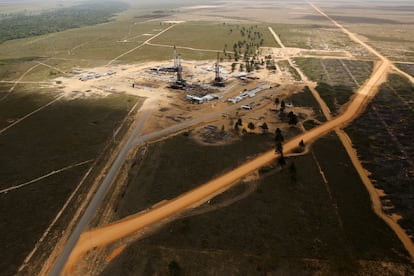
The matter dates back to last January, when the president signed an order to deposit funds into Treasury accounts in the name of the Venezuelan government or entities of the South American country, such as its central bank or state oil company Petróleos de Venezuela (PDVSA). The executive order came days after the United States launched a military operation in Caracas in which Nicolás Maduro and his wife, Cilia Flores, were captured. It specifically concerns proceeds from the sale of commodities, such as crude from Venezuela’s vast reserves.
Senators Elizabeth Warren of Massachusetts, Ron Wyden of Oregon, and Sheldon Whitehouse of Rhode Island said in their letter that the administration has “failed to explain where that money has gone and whether any safeguards have been implemented to prevent misappropriation of Venezuela’s funds or potential Trump Administration corruption in directing them to politically favored insiders.”
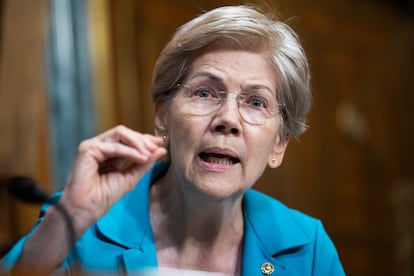
“This arrangement, particularly given the lack of transparency, raises concerns that the Administration may use its control over the revenues to direct billions in funds without congressional authorization or approval,” they said. It is also not “clear that any audits have occurred at all,” they added.
There have been some statements in recent months from Caracas and Washington about the transactions. Venezuela’s acting president, Delcy Rodríguez, confirmed at the end of January the receipt of $300 million from those funds and said they would be used to cover and finance workers’ salaries.
Later, U.S. Energy Secretary Chris Wright said in a February interview with NBC that completed sales amounted to about $1 billion and estimated at the time that another $5 billion would follow in the coming months. Wright added that the oil was being refined at U.S. facilities and that proceeds from its sales were being handed over to Venezuela’s interim government.
On whether the oil revenue is being audited, Secretary of State Marco Rubio addressed the issue in June during a tense hearing before a House committee, where he said that the funds are being deposited in a blocked Treasury account at Citibank that is audited by KPMG, which in turn was hired and paid for by Caracas with money from those funds.
Oil is Venezuela’s vital source of revenue; the country holds the world’s largest crude reserves. The commodity has become the central axis of its relationship with the United States. After Maduro’s capture and the announcement of the agreement mentioned above, Washington recently added another deal to acquire over 20% of those reserves for a period of over 100 years. That deal has been questioned for its duration, the viability of the promised investments and, above all, for the person who will help manage it; Alejandro Betancourt, a Venezuelan businessman who is under investigation in Spain and Switzerland and described as a figure who profited under the shadow of chavismo.
Sign up for our weekly newsletter to get more English-language news coverage from EL PAÍS USA Edition









































