
Senate unanimously agrees to send Epstein bill to Trump’s desk
The legislation, previously approved by the House of Representatives, is expected to reach the US president in the coming hours, and he has promised to sign it
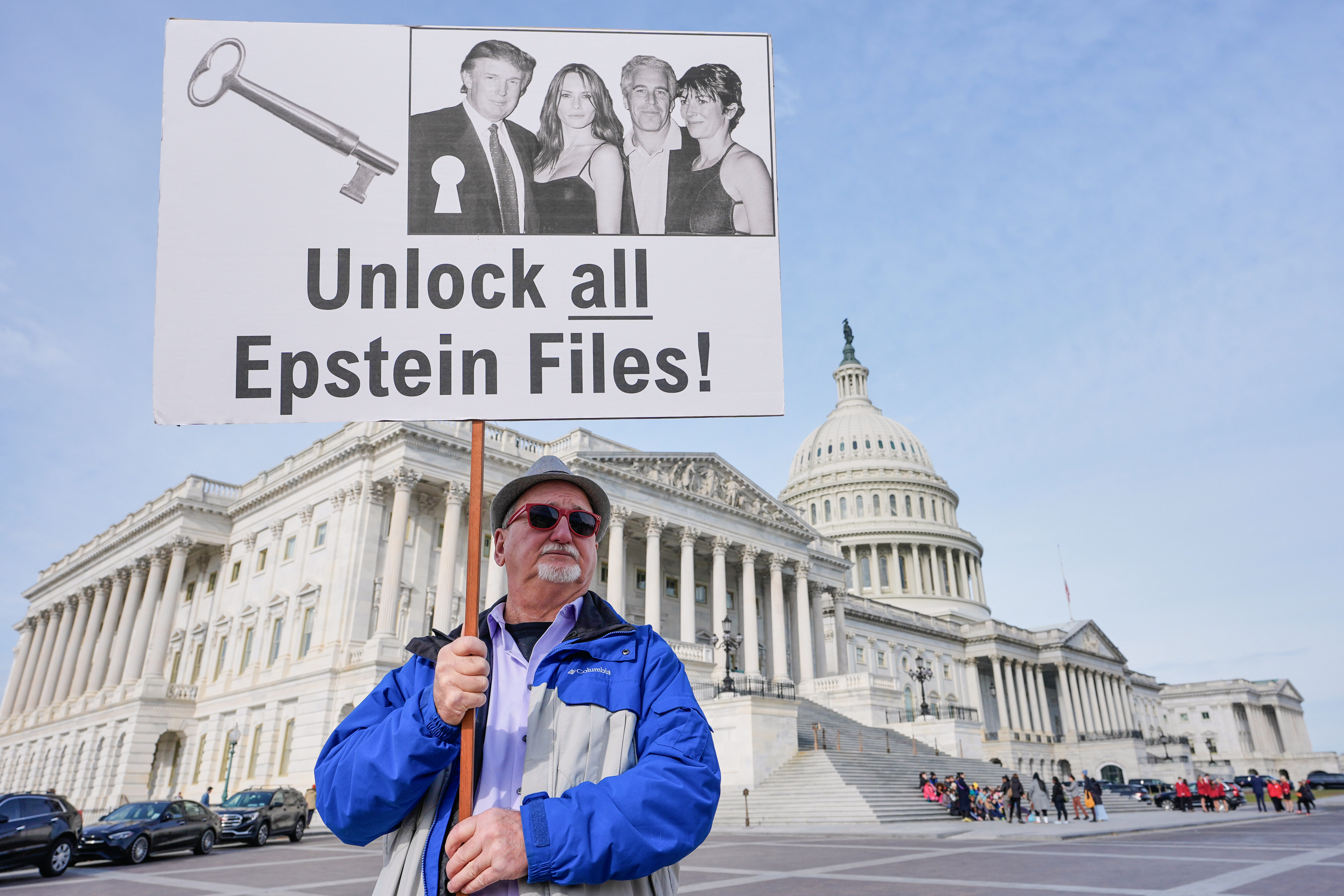

After the overwhelming support of the House of Representatives — 427 votes in favor and one against — the 100 members of the United States Senate unanimously agreed on Tuesday to send the Epstein Files Transparency Act to the White House without any changes. The act requires the Department of Justice to declassify documents related to the case of the disgraced financier.
They did so even before the text had officially reached them for review and a vote. This means that as soon as it arrives in the Senate, it will automatically move to President Donald Trump’s desk. Although he has spent months opposing the release of these materials, he has now promised to sign the act as soon as possible.
The urgency came from Senate Minority Leader Chuck Schumer, who around 5:00 p.m. (Washington time), just hours after the House vote, forced what Capitol Hill calls “unanimous consent,” eliminating the possibility that the bill might stall in the upper chamber. “This is about giving the American people the transparency they’ve been crying for,” Schumer said before promoting the bill’s approval. “Jeffrey Epstein’s victims have waited long enough.”

It was unclear whether the president would sign the bill Tuesday night, as he had a scheduled dinner with Saudi Arabia’s Crown Prince Mohammed bin Salman, whom Trump hosted that morning at the White House. When asked by a reporter about the atrocious 2018 murder of journalist Jamal Khashoggi, a Washington Post columnist, Trump replied: “Things happen.” U.S. intelligence services confirmed Bin Salman’s involvement. The presidential signature was ultimately postponed until Wednesday.
The president’s response
Trump, who tends to lose his temper when the subject of the Epstein files arises, reacted to the news that the Senate also supported their release with a message on his social media platform, Truth Social. “I don’t care when the Senate passes the House bill, whether tonight or at some other time in the near future; I just don’t want Republicans to take their eyes off all of the victories that we’ve had,” he wrote, before proceeding to list those achievements, which were a mix of lies, half-truths, and exaggerations.
After weeks of pressure against the bill, the president — who was Epstein’s friend for 15 years — gave Republican lawmakers permission last Sunday to vote in favor of the Epstein Files Transparency Act. Although he did not go as far as he could have: he has the authority to order the release of the files without Congressional approval but has chosen not to do so. The documents could expose the involvement of dozens of wealthy and influential men in Epstein’s sex trafficking ring, as well as the complicity of financial institutions and legal entities, or the failures of authorities that allowed him to act with impunity.
It is also unclear what will happen next once Trump signs the bill, as he has promised. Nor is it clear when or how the Department of Justice will comply with the obligation to publish the files. Attorney General Pam Bondi announced last July that the Department of Justice did not plan to release the papers, despite having promised for months that it would.
In its possession are millions of unpublished documents containing information about Epstein’s sex trafficking network. It is expected that they also include information on who was aware of or participated in the operation between the early 1990s and his death (a suicide, according to the coroner). Epstein died in 2019 while being held in a maximum-security cell in Manhattan.
The question now is whether the Department of Justice intends to resist releasing the files, arguing that there are ongoing judicial investigations. Everything depends on whether the president’s orders to Attorney General Bondi — that she investigate Epstein’s connections to prominent Democrats — are carried out.
Last Friday, in a move that violates the principle of separation of powers in the United States, Trump asked Bondi to open investigations only against prominent Democrats whose names have appeared in the successive releases of documents. He cited three: former president Bill Clinton; Larry Summers, former president of Harvard; and Democratic megadonor Reid Hoffman.
U.S. law prohibits the release of materials from a case file while the case remains active, and Democrats fear that Trump’s administration will use this as a justification to continue refusing to publish the documents.
Sign up for our weekly newsletter to get more English-language news coverage from EL PAÍS USA Edition









































