

US begins countdown to return to the Moon amid doubts over the risks faced by its astronauts
NASA will start the process to launch the first crewed mission to the moon in half a century next month in a new space race with China
NASA will start the process to launch the first crewed mission to the moon in half a century next month in a new space race with China
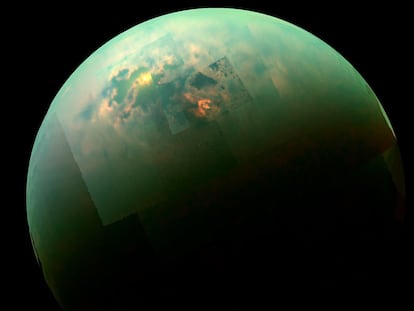
The US space agency redraws what the interior of Saturn’s largest moon, the most similar to Earth, would look like

A NASA study predicts that 96% of the images from the ARRAKIHS mission will be contaminated by the light from the more than 500,000 devices that Starlink and other megaconstellations intend to launch
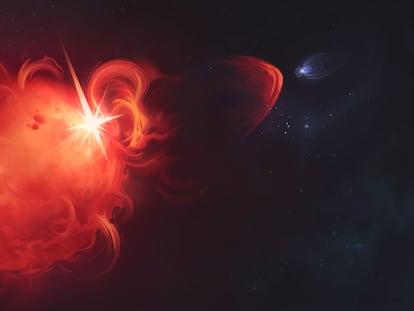
An international team of scientists confirmed the first record of a plasma ejection from a red dwarf star outside the solar system

The aerospace engineer is the mission director for Ispace. ‘The idea is that by 2040 there will be about a thousand people living permanently on the Moon, and around 40,000 tourists a year’
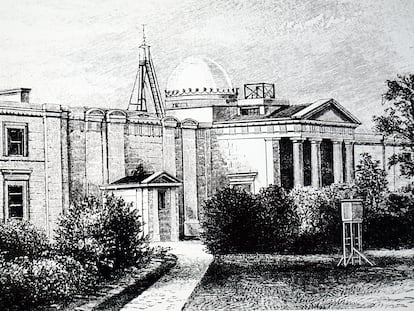
The International Astronomical Union has named an asteroid after the Victorian stargazer, who studied the skies for 25 years from Cambridge University, but whose work has remained forgotten for more than a century

The recently approved Big Beautiful Bill includes billions of dollars in spending in a concession to Republican representatives from states closely linked to the manned space exploration program
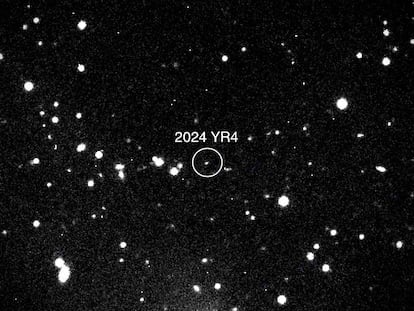
A new observation estimates that the space rock measures 60 meters and has a 2% chance of impacting the satellite
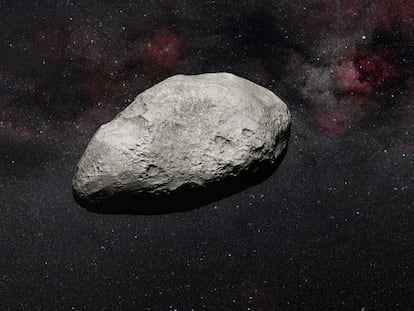
The probability of a 2032 collision with the 50-meter asteroid has risen to 1.9%. However, ongoing calculations in the coming days and weeks may cause this estimate to fluctuate

The fires have scorched more than 60 square miles of the Californian city area and have damaged or destroyed at least 11,000 structures
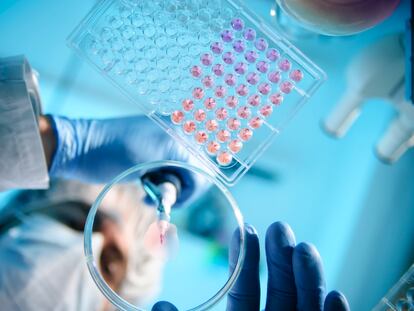
From solar energy beamed from space to live self-repairing materials, research in 2025 is promising. And we may see more changes that make cities greener and cleaner

The Spanish scientist has begun her relentless training to become an extraterrestrial being. EL PAÍS accompanies her for a day in her new life

NASA’s probe will enter the star’s atmosphere on Christmas Eve, making the closest pass ever of the Sun’s surface, to try to unravel the mystery of why it is so much hotter than its surface

A vast ocean hidden beneath the ice on Europa is one of the most likely places to find organisms beyond Earth

The probe, an ESA project, will study the consequences of a deliberate impact by a NASA spacecraft against an asteroid in order to alter its trajectory
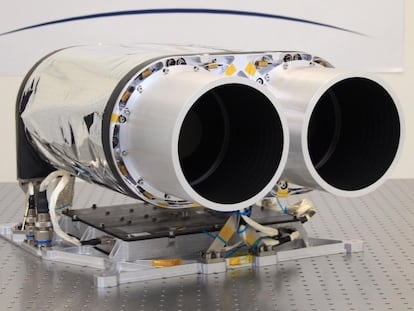
For the first time, Spain is leading an ESA scientific mission, the ARRAKIHS project, to learn more about dark matter in the universe
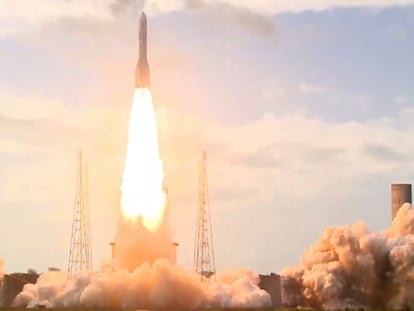
The European Space Agency is attempting the first flight of the largest device developed on the continent
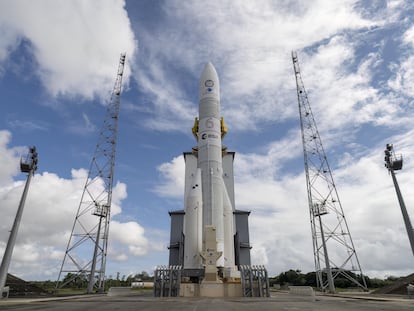
The ESA is attempting the first flight of the largest and most powerful device developed on the continent, which if successful will end European dependence on allies and private companies
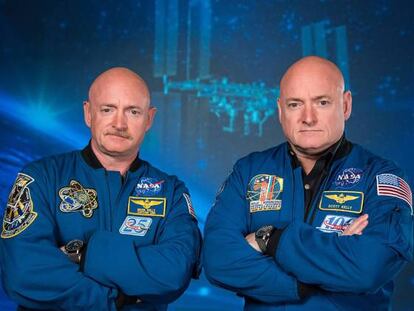
Without protection systems, the kidneys are one of the organs that would fail after the time of exposure to radiation necessary to reach Mars and return
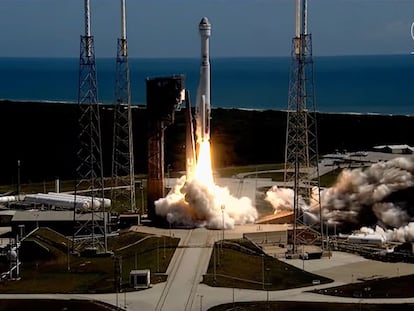
NASA tests the Boeing ship that is competing with SpaceX to establish a regular transportation line between Earth and future lunar bases
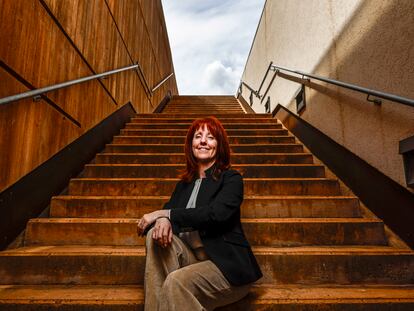
The head of science at the European Space Agency and former advisor to the British government speaks with passion and clarity about research, politics, sexism, space exploration and scientific integrity
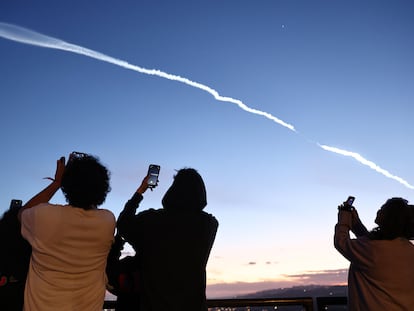
The international community is pushing for the approval of rigorous standards that track and limit the obsolete objects that can pass through the atmosphere and cause material damage on Earth
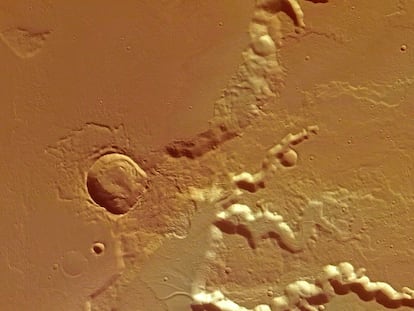
These deposits, which would be enough to fill the Red Sea, could be used by astronauts on exploration missions and to study the possible existence of life on the Red Planet
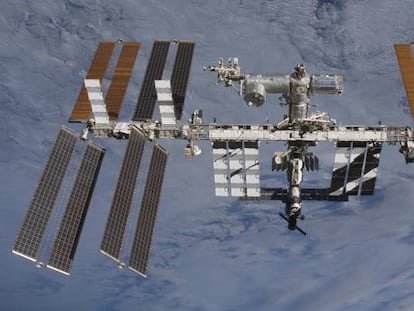
Russia’s tensions with the U.S. and Europe make it difficult to reach an agreement on the end of the largest international cooperation project in space, which will remain operational at least until 2030
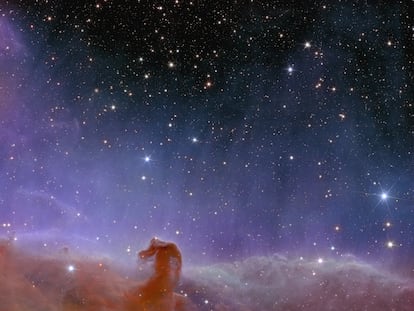
ESA presents the first results from the telescope that aims to understand the two biggest enigmas of the universe: dark matter and dark energy

The researcher defends the utility of human presence in space to study aging and cancer in order to apply that knowledge on Earth
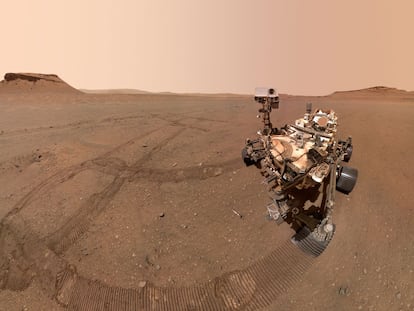
The Perseverance rover has detected the possible presence of key building blocks of life formed approximately 3,500 million years ago