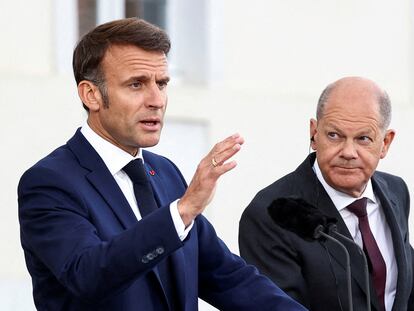
Abandon all partisanship, ye Europeanists who enter here
The new post-election scenario makes European construction more complex. The pro-European parties must put aside their sectarian calculations and prioritize the common project instead

The new post-election scenario makes European construction more complex. The pro-European parties must put aside their sectarian calculations and prioritize the common project instead
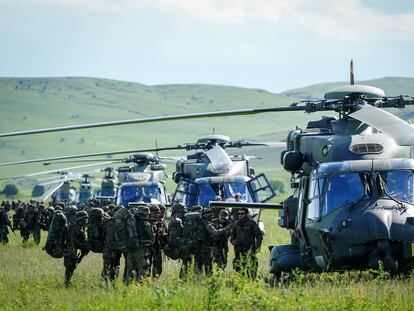
The 27 member states have lately taken significant steps on military and economic security matters, but the nature of the organization and internal discrepancies continue to slow down the push for a more ambitious union
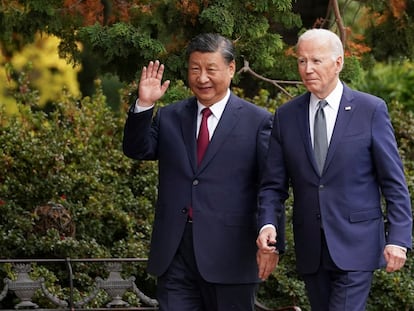
EL PAÍS has compiled a list of words, places, people and acronyms that can help us understand a time of turbulent change, amidst the strain unleashed by geostrategic forces
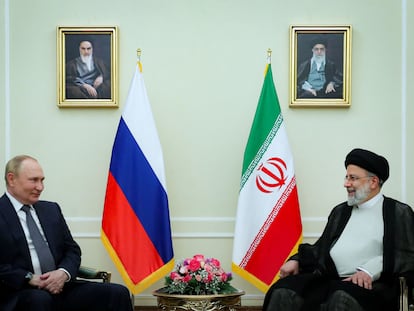
The world is facing an ongoing war in Ukraine, the danger of an escalating conflict between Israel and Iran and serious tensions in East Asia
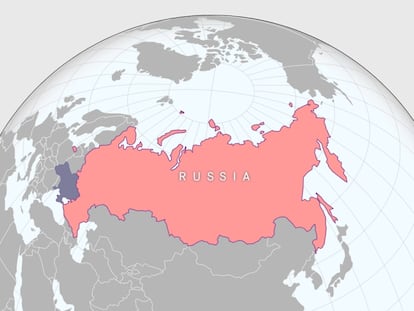
The economic and political backing of China, the military support of Iran and North Korea, and the strategic depth granted by Belarus are some of the cornerstones of the Kremlin’s powers of endurance
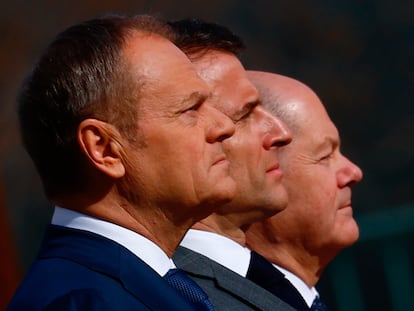
European leaders are taking steps to bolster military support for Ukraine. But more efforts must be carried out urgently. Without them, the result will not be peace, but a debacle
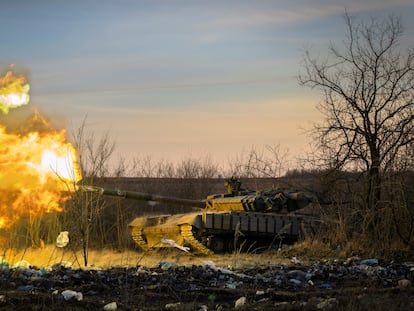
The EU is going through a metamorphosis that seeks to dissuade Putin from undertaking new aggression and guarantee its autonomy in a turbulent world

Conflicts in Ukraine and Gaza, tensions with China and North Korea, and a possible Donald Trump presidency suggest the current arms race will deepen
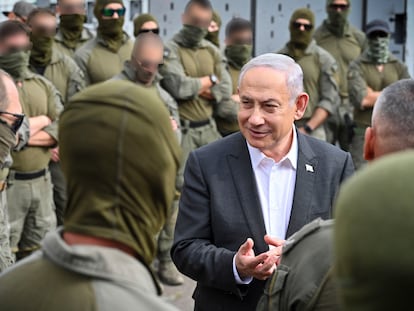
The Munich Security Conference has shone a spotlight on the international community’s failure to act as the suffering of Gaza civilians worsens
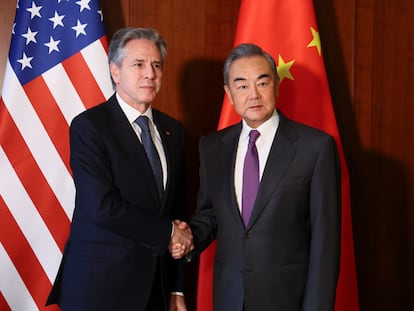
The Munich Security Conference has highlighted the broken global order in which Russia, China, Iran and North Korea are closing ranks. ‘The question is whether democracy will survive,’ says the president of the European Commission
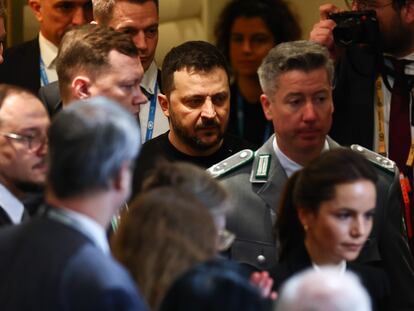
Flows from the United States have been reduced, and this has an impact on the battlefront, says NATO chief Jens Stoltenberg at the Munich Security Conference
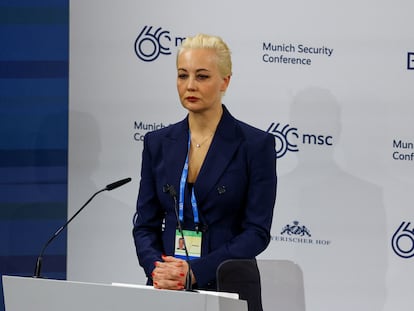
On the same Munich stage where Putin delivered his famous 2007 speech announcing his rejection of the current world order, the dissident’s partner urged the international community to fight against the Russian regime
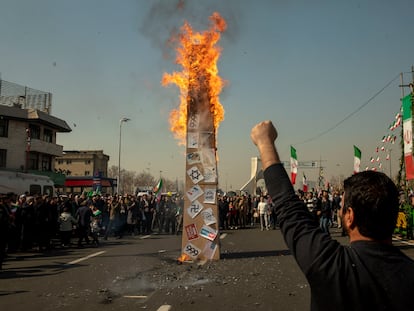
The strategic significance of the conflicts in Ukraine and the Middle East, the friction between the U.S. and China and the possible return of Trump make for a high-risk horizon
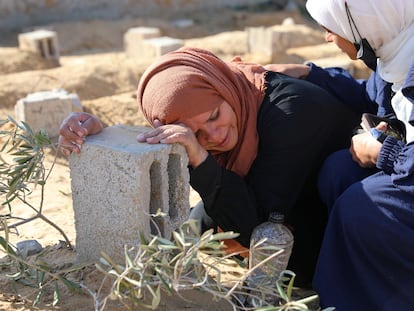
The United States, the EU and Arab countries are mobilizing to demand Israel stops its offensive in the Strip and commits to negotiating the two-state solution
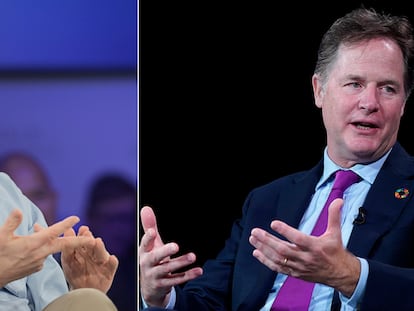
Nick Clegg, president of the company’s Global Affairs, argues that regulation should not be rushed in a conversation with EL PAÍS and four other media outlets in Davos
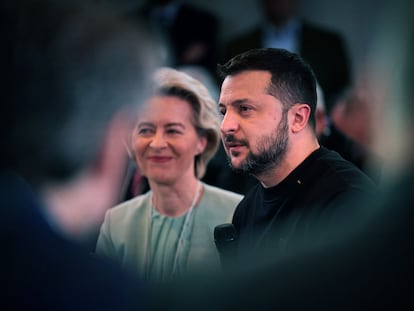
Senior representatives from Washington, Beijing and Brussels present their approaches to a period that, according to the EU’s Ursula von der Leyen, represents the ‘greatest risk to the global order since the postwar era’
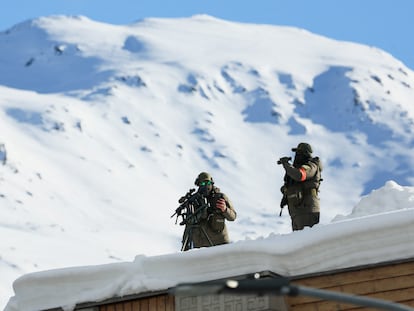
The impact of false and divisive content in a time of strong polarization, new and powerful technologies and fragile democracies is one of the major risks identified by the annual event in Davos, Switzerland
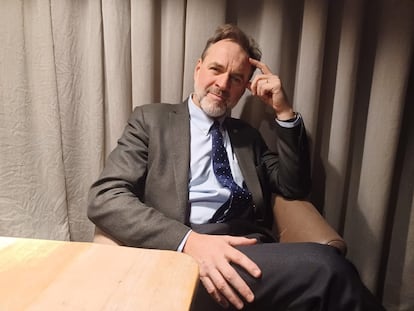
The historian criticizes the U.S. government’s inability to deter attacks by the Taliban, Putin and Hamas, and warns that AI may negatively affect our cognitive abilities
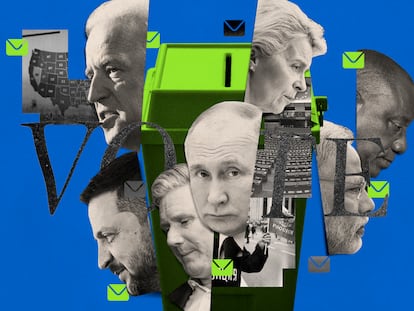
More than 3.7 billion people will be able to vote in elections in 70 countries next year. From the U.S. to the EU, from Taiwan to India, there are some results that will have global impacts
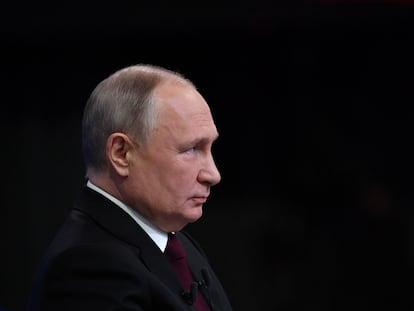
Western support has helped Kyiv survive so far but it desperately needs more money and a new strategy
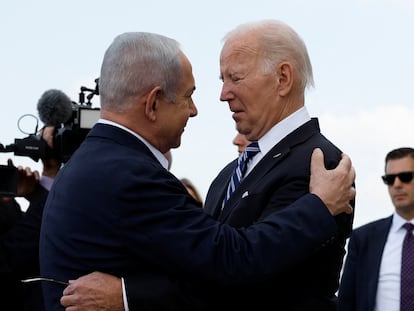
Criticism over the position towards Israel undermines the ability of the US and the EU to project their values and interests in emerging and developing countries
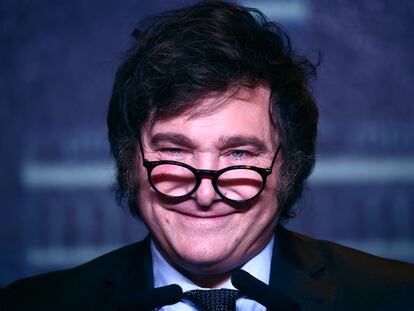
Immense public frustration boosted the Argentine candidate, just as it did with Trump, Bolsonaro, Meloni or the Brexit campaigners. However, differences lie in the root causes of the anger and in the approaches of the leaders
The support of the United States and the ineffectiveness of the United Nations when there is no consensus among its members are the main factors that allow Israel to act against the political will of the international community
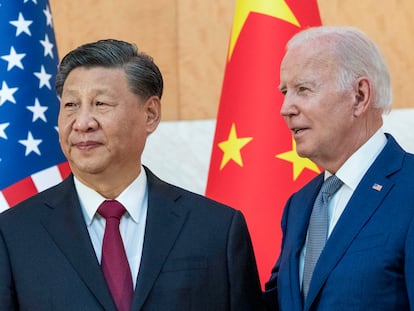
The technological revolution and the shift in global relations are key factors in the destabilization of the planet. Our times are marked by new, devastating wars and dangerous power struggles
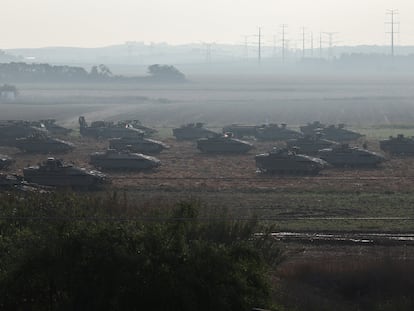
Warning signs abound on several fronts: an invasion of Gaza, violence in the West Bank, a Hezbollah attack, U.S. regional involvement, Islamic terrorism and Islamophobia
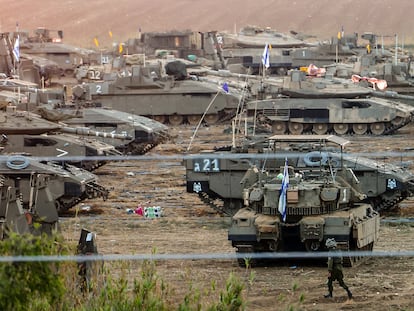
Hamas’s urban guerrilla tactics, Hezbollah’s vast arsenal and Iran’s shadow backing challenge Israel’s military superiority in the region
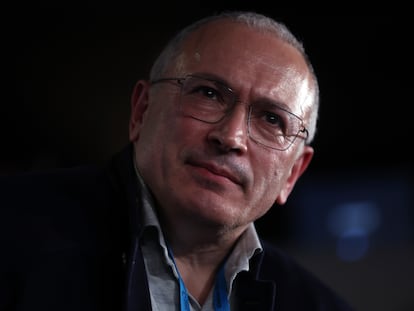
The former oligarch and Putin’s major opponent believes that the only realistic chance is to take advantage of a rift in the regime