
On players, tournaments, percentages, and the need for dialogue
The 14% players receive seems low to me, but I can almost imagine and understand the organizers’ arguments
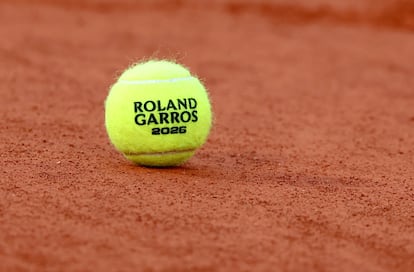

At major tournaments it’s common to see players, aware of the greater exposure these events provide, use the opportunity to make a demand. At this year’s Roland Garros they have once again called for a different distribution and a larger share of the money that, above all, these kinds of tournaments generate. The conflict is not new and — even though the Paris organizers unilaterally decided this year to raise the prize pool competitors would receive by about 10% — the players have deemed it insufficient.
The fact that the organizers acted without taking their views into account led the players to adopt a series of measures intended to exert some pressure and, at the same time, to make the public aware of their position. Their discontent is not so much about the amount of prize money they receive, but because, despite the notable increase, they believe it does not match the rise in the tournament’s revenues. Specifically, at this year’s Roland Garros, player expenses account for 14.3% of the event’s total revenue, whereas in 2024 prize money accounted for 15.5%.
Personally, 14% seems low to me, and while I accept that, I can imagine and almost understand the possible arguments the organizers might make. The officials would be right, at least in part, to say that regardless of the era, the quality of participants, or their media impact, it is the tournament’s year-round work that has managed to increase profits year after year.
In their defense is also the fact that, as the federations that organize the events are non-profit entities, the profits generated are reinvested and used to support and develop tennis and the young people who play it. I even think they could argue that one reason certain players achieve greater visibility is largely because they have won one of the year’s four Grand Slams; also, that precisely because of this, their earnings from sponsorship and endorsement rise dramatically in subsequent years.
While that is true and does apply to the winners, it certainly does not correspond to what happens to the remaining participants — there are 128 competitors in each Grand Slam draw.
For their part, the players feel they are virtually the sole protagonists, indispensable and essential, and they know that without them, the tournament simply could not take place. To express their anger and make their point of view known, they have been taking various steps for some time now to show their dissatisfaction; on this occasion at Roland Garros, they are limiting the time they spend with the press and minimizing their involvement with the event as much as possible.
These actions may have some impact, but I believe it would make more sense for the WTA and ATP leadership to hold a meeting before the season starts to try to reconcile positions and set — once and for all — a percentage that would satisfy both sides; one that would allow players to feel well treated and valued and, at the same time, would also allow the federations to continue their work supporting young players and promoting our sport.
Sign up for our weekly newsletter to get more English-language news coverage from EL PAÍS USA Edition









































