

Oldest RNA recovered from a mammoth that lived 40,000 years ago
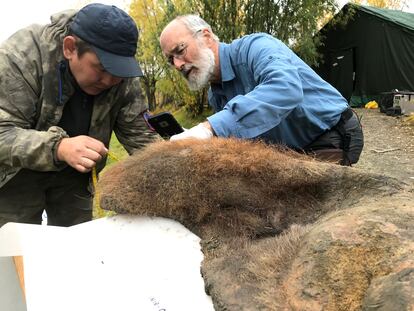
Scientists have managed to rescue the molecule, against all odds, from a calf that died after being attacked by cave lions
Scientists have managed to rescue the molecule, against all odds, from a calf that died after being attacked by cave lions
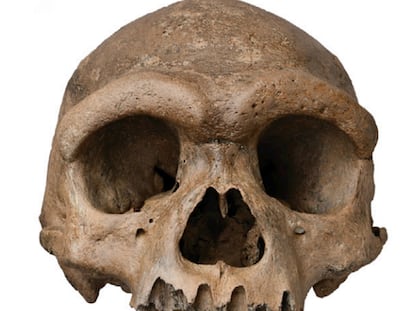
DNA and protein analysis of a 146,000-year-old skull shows for the first time what the face of this species, which occupied much of Asia and left its genes in modern humans, was like

Konstantin Rudnev was attempting to board a flight from Bariloche to Buenos Aires accompanied by six women

The former businessman, who spent almost a decade in a Siberian prison for confronting the Russian president, says that the leaders understand each other like ‘two gangsters’ and maintains that Zelenskiy has not understood Europe’s message
Fine sewing needles made from the bones of small animals such as foxes and mountain lions, which hunters used to make tailored garments during the last Ice Age, have been discovered in Wyoming
The ‘chromosome fossils’ from a female who died 52,000 years ago in Siberia have opened a window to a world still unknown to science
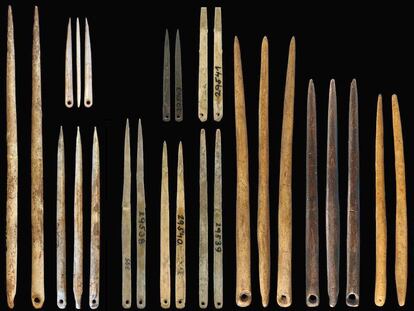
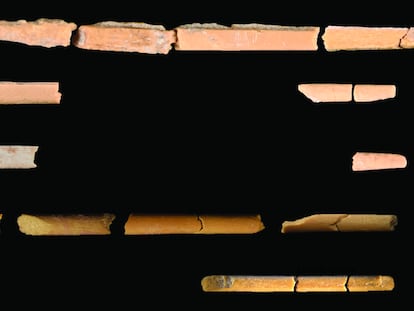
The invention of these tools allowed humans to make multilayered clothing and perhaps even underwear to protect them during in the ice age, argue the authors of a new study

The emeritus professor of genomics has managed to revive microorganisms that had been dormant for 48,500 years in the frozen soil of the Arctic

An armed unit of dissident Russians fighting for their country’s ethnic minorities proposes attacking the Kremlin’s circle of power
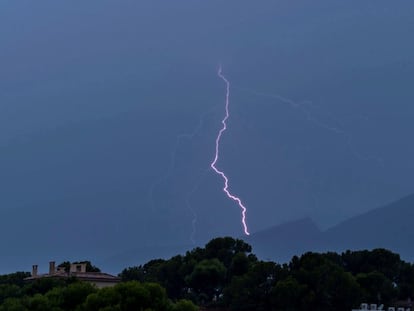
The frequency of lightning will increase in some regions but in areas such as the north of Russia and the Scandinavian peninsula there could be relief for permafrost and carbon emissions

Bárbara Hernández has just broken a Guinness World Record for swimming in the frozen waters south of her home country
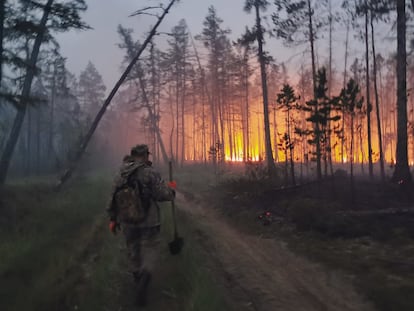
Satellite data shows that blazes swept through nearly 12 million acres in the Siberian Arctic between 2019 and 2020, resulting in unprecedented carbon dioxide emissions
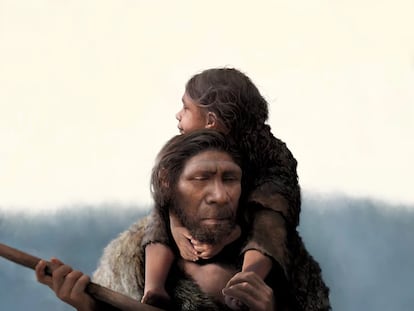
The genetic profile of 13 individuals found in two Siberian caves confirms that some 54,000 years ago, these relatives of ‘Homo sapiens’ lived in very small groups and were weighed down by inbreeding