
Adolescence, menopause, old age: The different stages of life also change our sleep patterns
Each phase of life produces physiological and hormonal changes that can cause disturbances
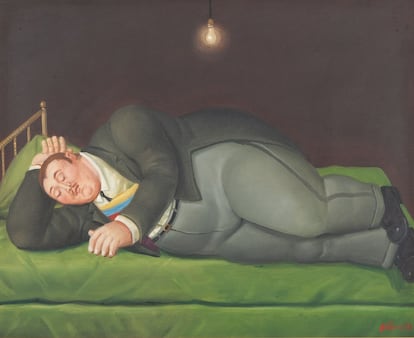

Adolescence, menopause in the case of women, and the aging process all trigger physiological and hormonal changes that can cause disruptions in our sleep, making it difficult to fall and stay asleep and reducing our rest time.
These physiological and hormonal changes that occur throughout a person’s life can explain certain sleep-related difficulties—just as a momentary stressful life situation can—but in no case should we feel it is normal to sleep less or worse because we are older or because we are suffering from the symptoms of menopause.
The perfect storm of adolescence
During adolescence, physical, psychological, emotional and social changes occur, which inevitably affect sleep patterns. According to the National Sleep Foundation, teens between 13 and 18 years old should sleep eight to 10 hours a day for proper physical and mental development. However, according to a 2020 study published in Nature Human Behavior, 93.5% of adolescents don’t even get seven hours, meaning a significant portion of the population is suffering from a tremendous sleep deficit at a crucial stage of their development. Not surprisingly, various studies have shown that preserving sleep is essential, among many other things, for adolescent brain development and for maintaining the mental health of both boys and girls.
“Today’s teenagers are worse than ever. Every generation is worse,” some will say. “They spend all day on their phones, how can they get any sleep?” others will say. The truth, however, although the impact of screens cannot be ignored, is that teenagers sleep little and poorly because they find themselves in the middle of a perfect storm of which, as some pediatricians specializing in sleep medicine denounce, they are the victims.
To support this theory, it is necessary to explain what delayed sleep phase disorder is, a sleep disorder that affects a large percentage of the adolescent population.
Delayed sleep phase disorder is characterized by a disruption of the circadian rhythm, consisting of a persistent delay in the usual nighttime sleep period and a marked difficulty waking up in the morning at the desired time, resulting in excessive daytime sleepiness (high school teachers can attest to this). That is, if a teenager goes to bed at 10 p.m., they typically experience insomnia and won’t fall asleep until midnight or later. However, the next day, their alarm clock will ring—if they’re lucky—at 7 a.m. to get them to school. Now we have a sleep-deficient teenager.

If we add to that the fact that at these ages, extracurricular sports activities usually take place in the late afternoon, we have the perfect storm: kids with delayed phase syndrome who get home late, exhausted after intense physical exercise. And on top of that, they still have to study or do homework! Does anyone really expect them to go to bed early?
Sleep medicine experts have long been calling for later school start times. The prestigious pediatrician Gonzalo Pin, coordinator of the Chronobiology and Sleep working group of the Spanish Association of Pediatrics, is one of the most vocal advocates in this field. According to him, studies conducted in the United States, Germany and Israel have shown that delaying school start times by 30 to 60 minutes reduces sleepiness and improves adolescent behavior and academic performance. Why? Because children spend approximately 88% of the extra time they gain by delaying school start times on sleep.
Until that happens, things can be done to improve adolescent sleep. Among them:
- Try to maintain as regular a schedule as possible, avoiding social jet lag on the weekends.
- Keep screens at bay at least two hours before going to bed, and don’t bring them into the bed.
- Avoid naps so that there is greater sleep pressure at night.
- Avoid heavy meals. Yes, we know teenagers are growing up and eat a lot, but…
- Avoid taking stimulants and engaging in intense physical exercise during the last hours of the day.
- Try to get teens to go to bed when they are truly sleepy, so they don’t associate the bed with insomnia and difficulty sleeping.
The hormonal impact of menopause
As Dr. Ainhoa Álvarez, coordinator of the Insomnia Working Group of the Spanish Sleep Society (SES), explains, women have a particular characteristic that differentiates them from men: they undergo significant hormonal changes throughout their lives, especially during menstruation, pregnancy, and menopause, and these hormonal changes “significantly affect the hormones that regulate sleep.”

The impact of menopause is especially important. According to data from the Study of Women’s Health Across the Nation (SWAN), led by the National Institutes of Health (NIH), sleep problems affect more than 40% of women during perimenopause and up to 60% of women in postmenopause. But even women with asymptomatic menopause, adds Ainhoa Álvarez, report sleep with more micro-awakenings, more sleep phase changes, and lower efficiency.
Among the most common sleep problems, insomnia stands out (which can affect up to 60% of women during menopause), but there is also an increase in obstructive sleep apnea—the incidence, in fact, is comparable to that of men after menopause—as well as restless leg syndrome.
The explanation for this increase in the incidence of insomnia lies in the decline in estrogen and progesterone hormone levels typical of this stage of life, which are linked to a decrease in the synthesis of melatonin, the so-called sleep hormone. The equation is clear: less melatonin means less sleep and worse rest.
One of the most common symptoms of menopause, hot flashes—that sudden, uncomfortable feeling of warmth in the upper body—is also behind many insomnia problems at this stage of life. As Dr. Ana Fernández Arcos, coordinator of the Sleep and Wakefulness Disorders Study Group of the Spanish Society of Neurology (SEN), explained in a report, as bedtime approaches, blood vessels normally dilate, primarily in the hands and feet, causing a drop in body temperature. However, when people suffer from hot flashes, this isn’t possible—similar to what happens on torrid summer nights—making it difficult to fall asleep and stay asleep.
What can be done to improve sleep in these circumstances? As the Spanish Sleep Society points out, there are “both pharmacological treatments and cognitive-behavioral therapies to treat sleep disorders during this period.” Among the behavioral measures, two deserve special attention:
- Try to keep the room well ventilated and cool to reduce the impact of hot flashes.
- Prioritize eating foods rich in tryptophan, such as milk, eggs, or bananas, at night, as they can help you fall asleep.
No, it is not normal to sleep less with age
The U.S. National Sleep Foundation recommends between seven and eight hours of sleep a day for older adults, just one hour less than for adults over 18 (between seven and nine). This means that the amount of sleep we should be getting as we age is roughly the same as we have been getting for most of our lives.
However, the idea that older people sleep less has taken root in the collective imagination, so situations that are by no means normal and put people’s health at risk are often normalized. A continued lack of sleep is linked to an increased risk of mental, cardiovascular, metabolic, and neurodegenerative diseases.
So, what actually happens to sleep during the aging process? It becomes less deep and more fragmented. This happens for a simple reason: starting at age 50, deep sleep progressively decreases, making our sleep more sensitive to any interference. The result? Sleep fragmentation. During youth, it’s normal to sleep straight through the night—or almost—and be awake during the day. With age, since nighttime sleep is less restorative, this lack of rest is somewhat compensated for during the day with short naps.

This purely physiological change is compounded by others, such as the increased prevalence of certain sleep disorders (especially insomnia and obstructive sleep apnea) and other pathologies that can ultimately affect rest, such as respiratory illnesses, chronic pain, and mood disorders. There are also other more social factors, such as retirement, which can lead many people to a more sedentary and solitary life, lacking routines and stimulation. And all of this has a direct impact on the quality of sleep.
At this point, what can be done to improve nighttime rest as we age?
- Maintain as regular a schedule as possible, trying to always go to bed and get up at the same time.
- Do regular physical exercise, preferably in the morning or early afternoon.
- Take a brisk walk in the morning, exposing yourself to sunlight. It’s the best way to get your circadian rhythms back in order.
- Try to maintain an active social life.
- Take short naps of around 15-20 minutes when needed, but never after 5:00 p.m.
- Avoid blue light from screens at least two hours before bedtime.
Sign up for our weekly newsletter to get more English-language news coverage from EL PAÍS USA Edition









































