
Venezuela’s Supreme Court throws up new obstacles to Maduro ouster
Opposition is exploring every legal means to early end for Socialist leader’s mandate
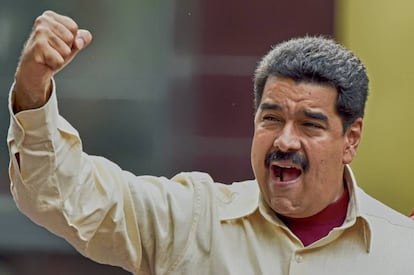
Venezuela’s Supreme Court has once again rejected a bid by the country’s opposition to bring President Nicolás Maduro’s six-year term in office to an early end. On Monday, the court – which is stacked with supporters of the United Socialist Party of Venezuela (PSUV), founded by former President Hugo Chávez – announced it was rejecting a proposal by the country’s opposition-controlled National Assembly to reduce the presidential mandate to four years, a move that would require elections in December. Presidential elections are not due until 2019.
This is the latest bid by the opposition MUD grouping to remove Maduro from office since it won control of the National Assembly in December’s legislative elections, after taking 112 of its 164 seats. A simple 50% majority is enough to pass motions in the National Assembly.
This is the latest move by the opposition to remove Maduro from office since it won control of the National Assembly
Shortly after the December 6 elections, the then Socialist-controlled National Assembly assigned 21 new Supreme Court magistrates – even though the appointments should have been made by the opposition-led National Assembly, which was sworn in on January 4.
Opposition initiatives to remove Maduro from office have been consistently blocked by PSUV-controlled institutions. Last week, the National Assembly approved new referendum rules speeding up the process of requesting recall referendums, presenting it to the National Electoral Council. The Venezuelan Constitution allows elected officials to be recalled if they have served more than half their term.
Opinion polls show that more than two-thirds of Venezuelans believe President Maduro’s term should end this year. The opposition is accusing the National Electoral Council of dragging its feet over the referendum.
English version by Nick Lyne.
Sign up for our newsletter
EL PAÍS English Edition is launching a weekly newsletter. Sign up today to receive a selection of our best stories in your inbox every Saturday morning. For full details about how to subscribe, click here.









































