Center-right leader Passos Coelho set to replace Sócrates in Portugal
Socialist prime minister announces intention to leave politics after crushing defeat
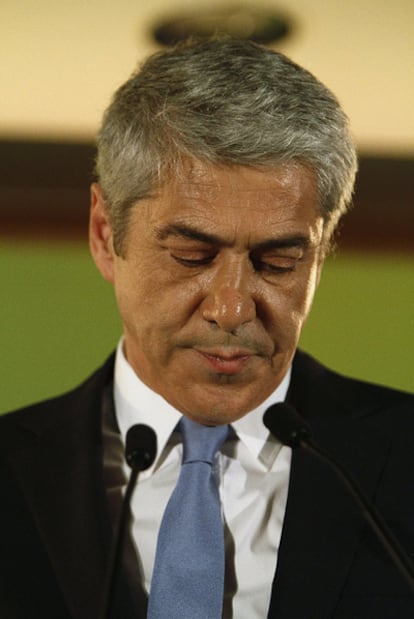
The opposition center-right Social Democratic Party (PSD) won Sunday's general election in Portugal with 38.7 percent of the vote, leading the country's caretaker prime minister, José Sócrates, to announce that he will step down as leader of the Socialist Party (PS).
The PS result of 28 percent is the party's worst in 20 years after Sócrates was effectively forced to call early elections in March over lack of parliamentary support for his austerity program, which forced him to seek outside help amid mounting market pressure.
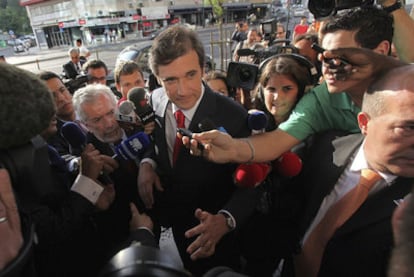
Now PSD leader Pedro Passos Coelho seems certain to replace Sócrates at the helm of the euro-zone nation. The PSD result, up almost 10 percentage points on the 2009 legislative elections, left the party only 11 seats short of an absolute majority in parliament and support from the conservative Social Democratic Center (CDS) seems likely to be forthcoming.
The 46-year-old Passos Coelho will have to administer the budget-cutting conditions of an 78-million-euro loan negotiated with the IMF and European Union by Sócrates during his period as interim leader. Portugal's budget deficit last year of 8.7 percent of output while its overall debt represents 92.4 percent of GDP.
Voters went to the polls on Sunday to elect the team that will have to implement unpopular spending cuts after a campaign filled with mutual attacks between candidates who generally offered no real explanation of what the bailout will mean in practical terms. Sócrates, who had already implemented various austerity packages, announced on Sunday night that he would not be taking up his seat in parliament and that it was "time to open a new political cycle in the PS."
Passos Coelho's job will be made even harder by the inclement economic conditions seen up ahead for Portugal. European Commission forecasts include a four-percent contraction in GDP in the 2011-2012 period, with unemployment reaching 13 percent. Salaries are set to fall by 3.6 percent this year.