
These are the visas Trump wants to revoke in his battle against Harvard
There are three types of visas that allow foreigners to study in the United States: J, F and M
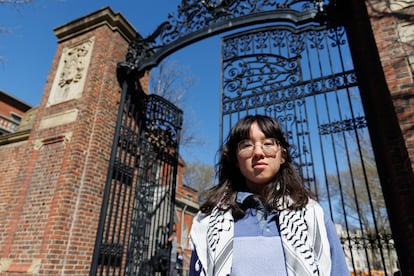

In a legal and political showdown that could redefine the boundaries of federal influence over higher education, Harvard University has filed two lawsuits against the Trump administration after the White House attempted to strip the institution of its ability to enroll international students. More than 6,800 international students —27% of the university’s student body— were and might again be at risk of losing their status.
This May 23, a U.S. District Judge issued a temporary restraining order to allow Harvard to regain access to student visa programs which the Department of Homeland Security had barred it from. The ruling came just hours after Harvard sued the Administration in federal court, calling the ban “unconstitutional retaliation” for the university’s refusal to comply with a series of federal requirements issued in April.
“This reversal is the continuation of a series of retaliatory government actions against Harvard for our refusal to surrender our academic independence and submit to the federal government’s unlawful control over our curriculum, our faculty, and our student body,” said Alan Garber, President of Harvard.
Which visas does Trump want to revoke?
The following are the visas that foreign students studying in the United States fall under:
J-1 (Exchange Visitor) Visa
The J-1 visa is for individuals participating in exchange programs approved by the Department of State. These programs seek to promote the exchange of knowledge and skills in areas such as education, science and culture. Participants may be students, teachers, researchers, au pairs, camp counselors, among others. Each J-1 person must have an authorized sponsor who supervises their stay and activities. The duration of the program, stated on the DS-2019 form, defines how long you can stay in the country.
F-1 Visa (Academic Student)
The F-1 visa is for those who wish to study full-time in the United States at approved academic institutions, such as universities, high schools, English language programs, or conservatories. Students must demonstrate English proficiency (or be on track to become proficient), financial solvency, and the intention to return to their home country upon completion of their studies. They can work on campus and, after the first year, access certain jobs related to their area of study, such as Curricular Practical Training (CPT) or Optional Practical Training (OPT), especially in STEM areas.
M-1 Visa (Vocational Student)
The M-1 visa is intended for students enrolled in non-academic vocational or technical programs, other than English language learning. They cannot work during their studies, but can do internships once they finish their program, as long as they are related to their area of training and have been approved by the school and USCIS.
How did the conflict start?
The lawsuit is just the latest act in an escalating standoff that began in early April, when the Trump administration issued a letter to Harvard demanding “immediate cooperation” with a federal review of its policies and funding. Among the administration’s accusations, Harvard had not done enough to combat anti-Semitism, was hostile to conservative views, and underreported large foreign donations.
Behind closed doors, Harvard’s administration deliberated. A second letter from the administration, delivered late on Friday, April 11, dramatically expanded the initial demands. The five-page document demanded:
- The elimination of all diversity, equity and inclusion (DEI) programs
- Restrictions on the admission of international students “hostile to American values”
- Federal oversight of admissions, hiring and campus ‘ideology’
On Monday, April 14, Harvard released a statement. “The University will not surrender its independence or its constitutional rights,” Garber wrote. “No government —regardless of which party is in power— should dictate what private universities can teach, who they can admit and hire, and what areas of study and research they can pursue.”
What’s next?
The federal court’s temporary restraining order offers relief for Harvard’s international students, but the broader legal and political battle is far from over. Trump officials have signaled that they may appeal the decision. Meanwhile, Harvard’s lawsuits continue on the grounds that the administration’s actions are unconstitutional violations of free speech and academic independence.
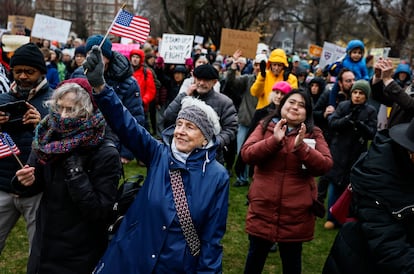
The confrontation is already resonating beyond Harvard’s gates. Higher education leaders across the country are closely following the case, which could set a precedent.









































