

US scientists who want to move to Europe because of Trump speak out: ‘I’m scared of fascism’
Leading centers in cities like Barcelona and Madrid have been receiving dozens of applications from researchers who fear loss of funds or deportation
Leading centers in cities like Barcelona and Madrid have been receiving dozens of applications from researchers who fear loss of funds or deportation

Less than 10% of the 100,000 Americans in the study reached the age of 70 in good health
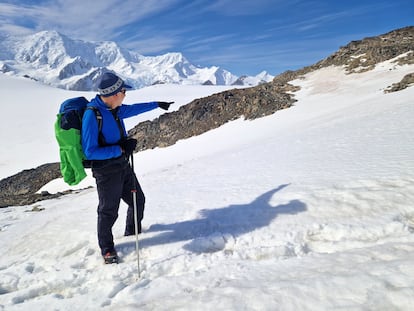
Microscopic red algae, responsible for a phenomenon also known as watermelon snow or blood snow, are proliferating due to global warming and in turn accelerating it

A study suggests that children can indeed store memories, but as we age we lose the ability to retrieve them
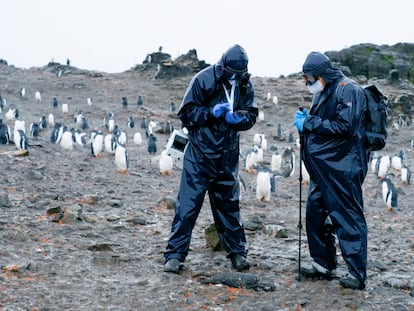
A team from EL PAÍS joins the Spanish expedition which has detected the spread of deadly avian flu among Antarctic fauna using a floating laboratory

A study reveals that species have moved to higher altitudes, at an average rate of between 1.8 and 2.7 meters per year since 1979

Half of the lepidoptera species have disappeared from various regions in Spain and Europe, while in the United States, nearly a quarter have been lost this century alone
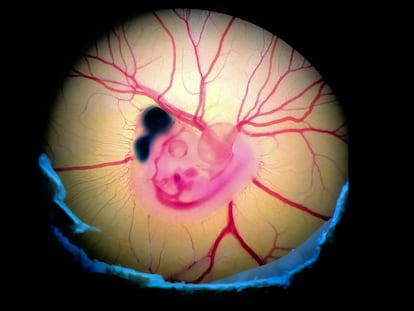
Three studies of the brain regions responsible for processing sensory information show that their neurons are and communicate differently
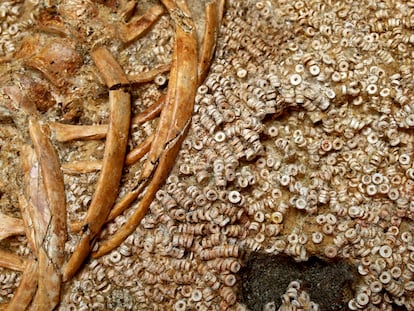
A group of archaeologists describes details of the 5,000-year-old burial of 20 women adorned with perforated beads
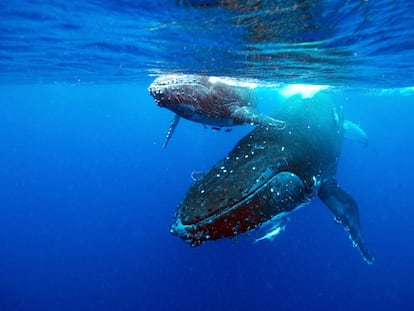
Two studies reveal that the communication systems of most cetaceans examined adhere to the principles of efficiency and economy found in language
The possibility of a brain microbiome has scientists engaged in a discussion about the possible role of bacteria in neurodegenerative diseases such as Alzheimer’s
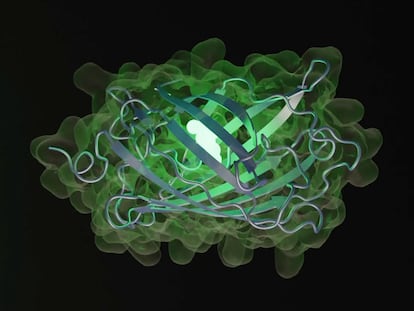
A startup founded by former Meta researchers is creating an alternative evolutionary path using the most powerful computational resources ever applied in biology, according to the company
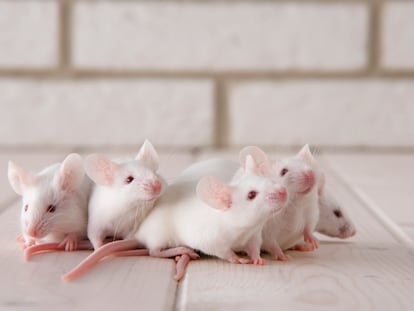
A study has uncovered the neural mechanisms that cause these rodents to shift their preference from females to males when sensing the presence of a predator
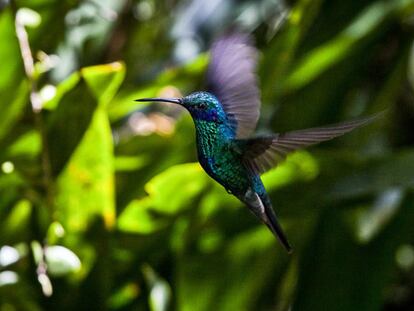
Soldiering through nightly suspended animation, a (nearly) all-sugar diet, backwards flight and long migrations, the birds’ tiny physiques prove mighty
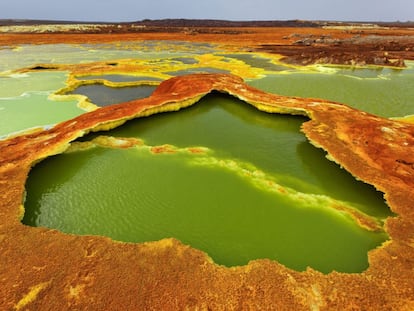
Over the 1.5 billion years of the Proterozoic Eon, a crucial innovation in terrestrial life unfolded — one without which we would not exist today
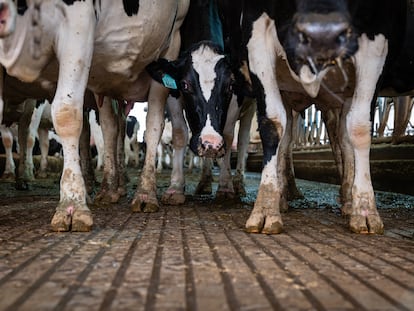
The authors of a study published in ‘Science’ emphasize the importance of monitoring mutations in both avian and bovine strains of the virus to prevent a potential future pandemic

A discovery in Kenya offers the first snapshot of peaceful coexistence between very different hominids
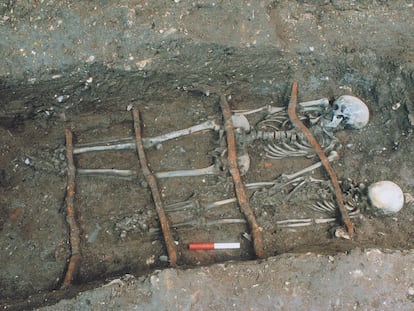
Analysis of the bones of hundreds of medieval Londoners contradicts the current paradox in which women get sick more often but have a longer life expectancy

A study suggests that the human act of kissing is a remnant of grooming, in which great apes use lip suction to clean the fur of their family and friends. But some experts remain skeptical
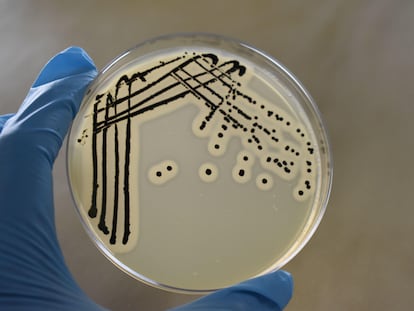
Methicillin-resistant Staphylococcus aureus, which causes 120,000 deaths a year, adopts an alternative mode of cell division to ensure its survival, new study finds

A new study shows that those born during the restrictions suffered 35% less diabetes and 20% less hypertension
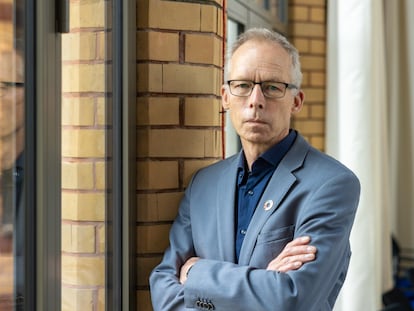
The director of the Potsdam Institute, recognized for his work on the boundaries of planetary health, has been awarded the 2024 Virchow Prize
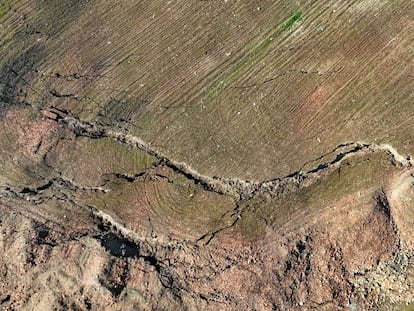
The two tremors shifted the entire Anatolian plate to the west, a phenomenon that necessitates a reevaluation of existing seismicity models
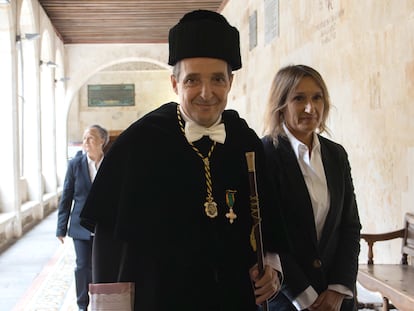
The publisher’s decision to withdraw the articles by Juan Manuel Corchado is the biggest scandal to hit Spanish scientists
A new study detects the use of advanced techniques in the Iberian Peninsula during the Bronze Age to replicate a material that was scarce and highly valued by early social elites

An analysis of 1,000 genetically diverse mice on different types of calorie-restricted diets and intermittent fasting shows that the potential benefits of these strategies are more complex than previously thought

The German scientist argues that information cannot be destroyed and, in principle, it is possible that a higher being, one day, in some way, could reassemble it and bring it back to life