‘Task,’ violence and depression in working-class Philadelphia
The grim atmosphere that conditions the lives of the show’s protagonists is becoming common in the creations of Brad Ingelsby, responsible for the excellent ‘Mare of Easttown’
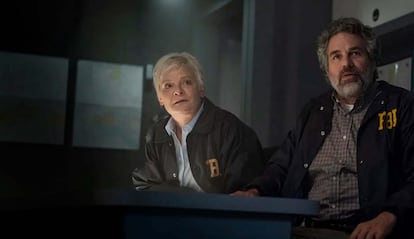

Fiction series and feature films leave no room for half measures: either the greatest winners are dissected or the misadventures of the losers are chronicled; mediocrity is left to the vast majority of viewers, including critics. Task, a series with seven episodes in its first season, is included among the losers, with an additional detail: the depressive atmosphere that conditions the lives of all its protagonists, something that is becoming common in the creations of Brad Ingelsby, responsible for the excellent Mare of Easttown.
Task is set in the working-class suburbs of Philadelphia, where two criminals run an operation robbing the homes of small-time drug dealers. A depressed FBI agent, Mark Ruffalo, is assigned to track them down after being relegated to a bureaucratic desk job by his superiors. The problem with robbing small-time fentanyl dealers comes, of course, when they unwittingly steal from a not-so-small dealer, who naturally tries to recover what was stolen. The two criminals find themselves under attack on two fronts: the federal agent and his inexperienced team, the taskforce of the show’s name, and the biker gang they ripped off. These are the two sides of a system that once facilitated the rapid enrichment of drug traffickers and the subsequent laundering of their extraordinary profits, while at the same time devoting more and more effort and deploying more and more agents to trying to put a stop to it.
And if action, shootouts, chases, and deaths are guaranteed — as can be expected from the synopsis of a plot that consistently avoids pleasant landscapes, settings, and houses — then, as previously mentioned, the prevailing atmosphere is depressing, with little room for beauty or harmony. What the creator can’t resist is the increasingly common habit in fictional series of leaving an open ending. Viewers gladly accept seven hours of a story being told, but their enjoyment diminishes noticeably when the final episode doesn’t serve to conclude it. There are two possible explanations for this dubious trend: either the creator is a petty sadist who enjoys other people’s discomfort, or, if the series is successful, a second season is guaranteed. In either case, those who watch it are simultaneously martyrs and executioners. All that said, Task is worth watching.
Sign up for our weekly newsletter to get more English-language news coverage from EL PAÍS USA Edition