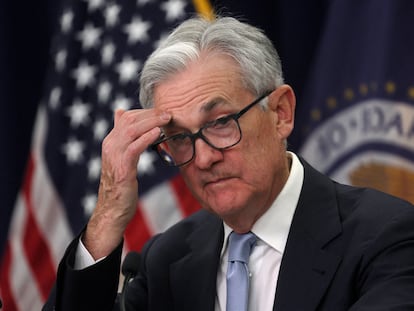
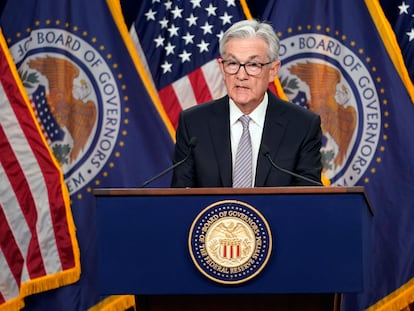
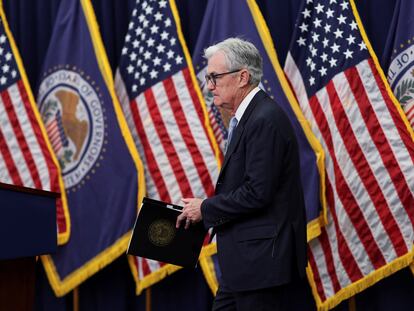
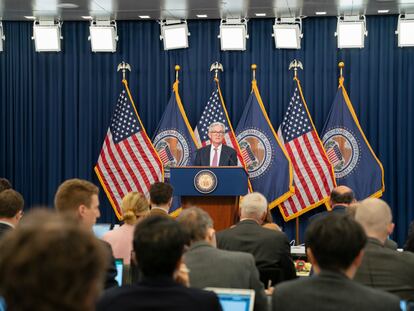
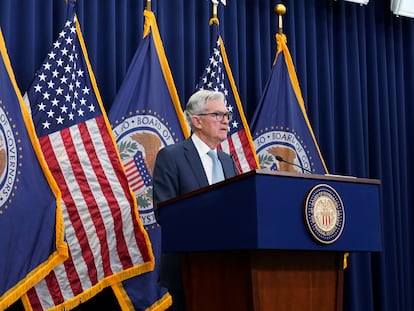
Powell noted that turmoil in the banking sector will likely cause banks to reduce the pace of lending: ‘As a result, our policy rate may not need to rise as much as it would have otherwise to achieve our goals,’ he said
Many Fed watchers have expected the central bank’s officials to forgo another increase in their benchmark rate when they next meet in mid-June
Prices rose 0.4% from March to April, the government said Wednesday. The nation’s inflation rate has steadily cooled since peaking at 9.1% last June but remains far above the Federal Reserve’s 2% target rate
“That’s no way to govern,” the Republican leader has said. The White House “does not have a plan B,” he added
The rescue packages for Silicon Valley Bank, Signature Bank and First Republic have been marked by a careful balance between state and private intervention
The unemployment rate ticked down to 3.4%, matching a 54-year low
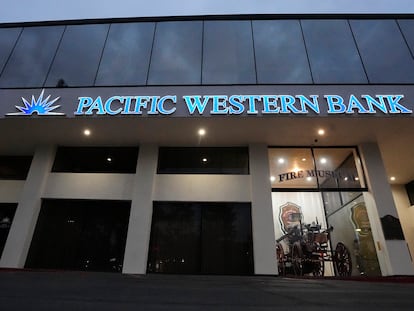
Shares of PacWest Bank plunged nearly 50% Thursday after the company confirmed reports that it was considering ‘strategic options,’ that may include the possible sale of the company
The Fed’s 10 consecutive rate increases over the past 14 months have more than doubled mortgage rates, elevated the costs of auto loans, credit card borrowing and business loans and heightened the risk of a recession
Officials are meeting on Wednesday to make a decision, shortly after the bailout and sale of First Republic, the third bank to go under in two months
The Fed has unleashed a rapid series of rate hikes to combat inflation, which has prompted banks to pay higher interest on traditional savings products like money market funds, certificates of deposit and regular savings accounts
Christopher Waller, a member of the Fed’s governing board, did not specify how many more increases he supports, but said that inflation ‘is still much too high and so my job is not done’
The heightened uncertainty surrounding the banking sector also helped Fed officials coalesce around their decision to raise their benchmark rate by just a quarter-point, rather than a half-point
Traders are betting on a roughly 70% probability the Federal Reserve will raise its key overnight interest rate in May by 0.25 percentage points
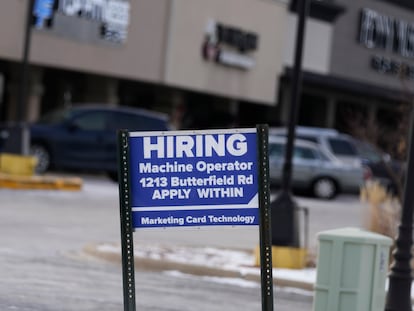
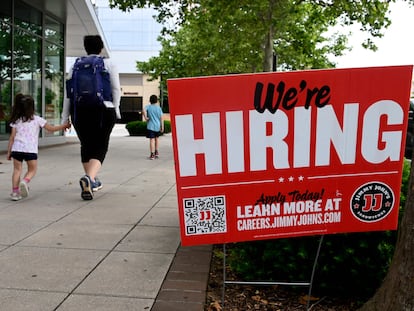
The Labor Department said that vacancies were down from 10.6 million in January. The American job market has proven resilient in the face of sharply higher interest rates
Friday’s report from the Commerce Department is an encouraging sign in the Fed’s yearlong effort to cool price pressures through steadily higher interest rates
The four-week moving average of claims, which evens out some of the week-to-week fluctuations, rose by 2,000 to 198,250, remaining below the 200,000 threshold
Prior to closing down Silicon Valley Bank, Fed supervisors had first raised questions about the bank’s risky practices in 2021 and had warned the bank’s management about them in the fall of that year
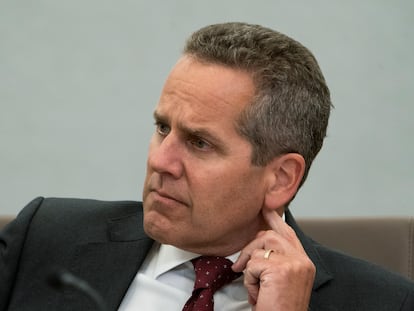
Michael Barr, the nation’s top banking regulator, spoke Tuesday during a Senate Banking Committee hearing
The Conference Board reported that its consumer confidence index rose to 104.2 in March, even as persistent inflation, bank collapses and anxiety over a possible recession weighed on Americans
‘SVB’s failure is a textbook case of mismanagement,’ Michael Barr, the Fed’s vice chair for supervision, said
The upheaval in the financial system that’s followed the collapse of two major U.S. banks is raising the likelihood that lending standards will become sharply more restrictive
The job market continues to defy the Federal Reserve’s attempts at loosening it
The Fed warned that the financial upheaval stemming from the collapse of two major banks is ‘likely to result in tighter credit conditions’ and ‘weigh on economic activity, hiring and inflation’
The Fed can either keep hiking interest rates to drive down inflation, or it can ease off the increases given the pain it’s already caused for banks
Investors who held bonds known as CoCos were wiped out in the sale to UBS, triggering fears that banks will find it harder to borrow and in turn tighten credit
Most analysts expect a rise of 25 basis points to reach 4.75%-5% despite the turmoil triggered by the collapse of Silicon Valley Bank
The investors who lost millions after two large US banks failed included public-sector pension funds responsible for ensuring the retirements of teachers and other government workers