
I don’t know if I had measles as a child. Should I get vaccinated?
It is recommended that those who have been exposed to the disease and have never had it get a vaccination
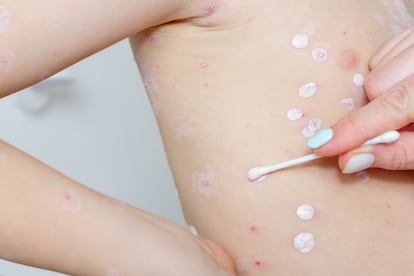
In principle, the measles vaccine is recommended for people born after 1978. The logic behind this standard is that individuals born before that year probably already had the disease, because at that time there were high rates of measles, especially before the 1970s, since there was no vaccine yet.
Now, even though people born before 1978 have technically been exposed to the disease, this might not necessarily be your particular case. However, as these illnesses usually occur at a very young age, you may not remember if you did have it or not. There are ways to find out if there are antibodies against measles in our body, but these tests are usually very expensive and, given the safety of the vaccine, it is simply not worth the trouble; since anyone can get vaccinated, even if they did have the disease during childhood, the most logical course of action if you are in doubt is to get the shot, as a booster, just like we do in the case of Covid-19.
It is highly recommended that those who never had the disease and also never got the vaccine, but have been exposed to a case of measles, get vaccinated. Vaccinating susceptible contacts within 72 hours of exposure to the virus — that is, after having been with the sick person — can prevent the disease, or greatly mitigate its severity. And since measles is highly contagious, people who have been exposed and are not vaccinated need to do it quickly.
However, sometimes the vaccine is contraindicated, such as during pregnancy, in instances of immunosuppression or if there have been previous allergic reactions to vaccines. The best thing you can do is always ask your doctor about the best options in your particular case.
Sign up for our weekly newsletter to get more English-language news coverage from EL PAÍS USA Edition









































