
Angora clothes from Inditex go to good cause in Syrian refugee camp
Photos show shipment of around 23,000 items arriving to displaced people in Lebanon
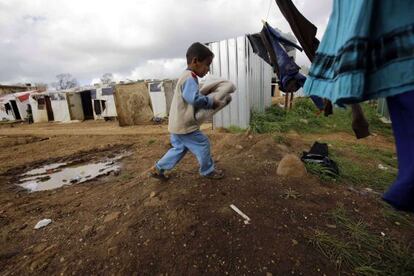
Angora garments that Inditex, the parent company of Zara, decided to pull from stores following pressure from animal rights group People for the Ethical Treatment of Animals (PETA), have reached Syrian refugee camps in Tripoli, Lebanon.
The Spanish fashion giant, which also owns Bershka, Pull & Bear and Massimo Dutti, promised in February that it would no longer produce items made with the fur of Angora rabbits, after PETA ran a campaign denouncing egregious animal abuse at farms in China.
The world’s largest fashion retailer also offered to donate its remaining stock of angora products to a non-profit group, Life for Relief and Development, which in turn ensured its delivery to refugees of the war in Syria.
On Wednesday, Inditex declined to comment on the shipment of around 23,000 items, but a series of photographs by Agence France Presse reporters show the garments being handed out to the refugees.
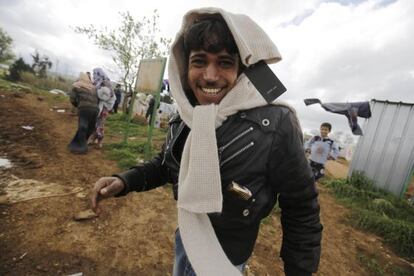
In one picture, a boy is carrying a pile of clothes, while in another, a man is smiling at the camera with a Zara item wrapped around his head. The agency reported that the handouts were carried out by local humanitarian groups, without specifying which ones.
Inditex’s angora wool sweaters and coats carry a retail value of approximately $878,000, PETA reported on its website.
“Inditex’s gift will go a long way toward making the world a kinder place for the refugees — and the rabbits — who have all suffered greatly,” said PETA President Ingrid E. Newkirk.
After a four-year civil war in Syria, there are 1.16 million refugees living in camps in Lebanon, representing a fourth of the Lebanese population. Several international organizations have warned about their dire living conditions and issued calls to help cover their basic needs.









































