
Peruvian ex-leader given additional sentence for diverting funds to tabloids
Fujimori is already serving a maximum 25-year term for crimes against humanity
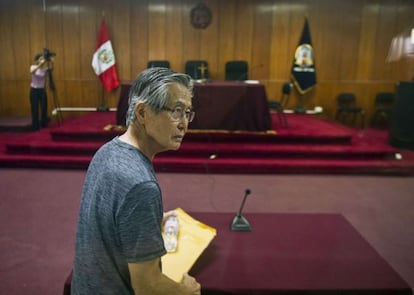
Former Peruvian president Alberto Fujimori, who is already serving a 25-year sentence for crimes against humanity and corruption, was given an additional jail term of eight years on Thursday after being convicted of diverting military funds.
This is the sixth prison term handed down against 76-year-old Fujimori, who led Peru between 1990 and 2000. He has spent the last eight years in prison after racking up 60 years’ worth of sentences – though under Peruvian law 25 years is the maximum term anyone can serve. He isn’t expected to be released from the National Police base in Lima, where he is confined to a 750-square-meter area that includes a home with a garden, and access to a clinic and art studio, until 2032.
Fujimori is confined to a 750-square-meter area that includes a home, garden and access to an art studio
Following the trial that began in October 2013, judges found him guilty of diverting around $43 million from military coffers between 1998 and 2000. The money went to buy favorable coverage for his presidency in tabloid newspapers – some of which were founded during the 2000 election campaign.
The dailies had accused many of Fujimori’s opponents of being communists, homosexuals and spies.
As well as the eight-year sentence, Fujimori was ordered to pay $1 million in restitution and was barred from holding public office for three years once he is released.
“The defendant used his role as president, he was administering public money and because he used funds for a particular objective, the evidence against him is overwhelming,” the judges wrote in their sentence.
Fujimori has been in prison since his extradition from Chile in 2007.
In 2013, his children asked President Ollanta Humala for a humanitarian pardon, but the petition was denied when the Peruvian leader concluded that Fujimori had no terminal or serious illness.









































