Spain plans prison terms for providers of pirated web content
Administrators of download-access sites may face up to six years
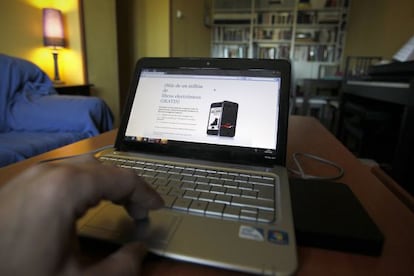
Spain is for the first time to introduce prison sentences for the owners or administrators of websites that provide links to copyrighted material on external pages, infringing intellectual property laws.
Current Spanish legislation only provides for sentences of up to four years for people who "reproduce, plagiarize, distribute or pass on" copyrighted material without the consent of the author. Sites that simply provide links to second-party providers of content have previously been immune from prosecution.
The upcoming reform of the penal code, which is expected to be approved shortly by the Cabinet, will include jail terms of between six months and six years for the offense, as well as allowing for the removal of protected material and the closure of websites providing it.
The proposal, drafted by the Justice Ministry, has led to heated debate between the Interior Ministry — under pressure from internet operators seeking a softer law — and the Culture Ministry, which is besieged by artists seeking to stem the hemorrhage in their incomes.
The United States had placed Spain on its internet piracy blacklist in 2008 due to the high number of illegal downloads being made. However, it removed Spain last year when the Popular Party government of Mariano Rajoy pushed through tougher legislation that had been included in the so-called Sinde Law, named after former Culture Minister Ángeles González-Sinde, which allowed for the closure of websites offering copyrighted content. The Sinde law was introduced by the former Socialist government, but the necessary enabling regulations were not put into place until the PP came into power.

Tu suscripción se está usando en otro dispositivo
¿Quieres añadir otro usuario a tu suscripción?
Si continúas leyendo en este dispositivo, no se podrá leer en el otro.

FlechaTu suscripción se está usando en otro dispositivo y solo puedes acceder a EL PAÍS desde un dispositivo a la vez.
Si quieres compartir tu cuenta, cambia tu suscripción a la modalidad Premium, así podrás añadir otro usuario. Cada uno accederá con su propia cuenta de email, lo que os permitirá personalizar vuestra experiencia en EL PAÍS.
¿Tienes una suscripción de empresa? Accede aquí para contratar más cuentas.
En el caso de no saber quién está usando tu cuenta, te recomendamos cambiar tu contraseña aquí.
Si decides continuar compartiendo tu cuenta, este mensaje se mostrará en tu dispositivo y en el de la otra persona que está usando tu cuenta de forma indefinida, afectando a tu experiencia de lectura. Puedes consultar aquí los términos y condiciones de la suscripción digital.
Últimas noticias
The complicated life of Francesca Albanese: A rising figure in Italy but barred from every bank by Trump’s sanctions
From digital curfews to blocking apps: How technology experts protect their children online
Why the price of coffee has skyrocketed: from Brazilian plantations to specialty coffee houses
Confined to a Cuban hospital: When electricity is a matter of life or death
Most viewed
- Pablo Escobar’s hippos: A serious environmental problem, 40 years on
- Why we lost the habit of sleeping in two segments and how that changed our sense of time
- Trump’s obsession with putting his name on everything is unprecedented in the United States
- Charles Dubouloz, mountaineering star, retires at 36 with a farewell tour inspired by Walter Bonatti
- The Florida Keys tourist paradise is besieged by immigration agents: ‘We’ve never seen anything like this’