
Rajoy and Cameron reports differ over Gibraltar phone call
Spanish and UK leaders at odds about outcome of conversation aimed at defusing tension surrounding the Rock
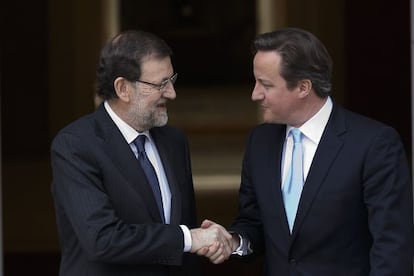
David Cameron called Rajoy at around 10am on Wednesday morning to discuss the recent tensions with Spain regarding Gibraltar.
Spain has recently implemented border checks, leading to two-hour queues, as well as announcing plans to charge a 50-euro fee to cross into the British colony.
The checks began after Gibraltar incurred Spanish anger by dropping concrete blocks into the sea around the Rock to prevent Spanish fishermen from working there. The Spanish president has called this action “unacceptable.”
Cameron has spoken of his “serious concerns” about escalating tension, but his office claimed in a statement on Wednesday that Spain had agreed to relax the border checks. The statement added: “Mr Rajoy agreed that he did not want the issue to become an obstacle in the bilateral relations.”
Rajoy insists the border checks are vital in cracking down on illegal trafficking
However, Rajoy has said that the border checks are vital in cracking down on illegal trafficking of goods, and made no mention of agreeing to relax them.
In a statement, the Spanish authorities said that President Rajoy “reiterated his willingness to find a solution as soon as possible to the current situation caused by the authorities in Gibraltar, which have caused a deep unease in Spain and worry about damage to the environment and fishing.”
The government added that the border controls were in accordance with the European Schengen agreement, which governs border controls in signatory states, and said that the Spanish checks were carried out in agreement with its principles of “randomness, proportionality and non-discrimination.”
The Gibraltarian authorities have begun to record complaints from those affected by the moves, and are threatening to take legal action against the Spanish state.
Both Spain and the UK have agreed to participate in talks to try to resolve the conflict.









































