Business leaders say government has failed to make the economic grade
Only one out of 10 surveyed gave Zapatero's administration their approval
Six out of 10 businesses consider the evolution of the Spanish economy in the second half of last year to have been negative, according to the latest Business Barometer. Eight out of 10 also think things will go equally badly in the first semester of this year, while 35.3 percent believe the economy will actually take a turn for the worse.
Given this situation, it is hardly surprising that seven out of 10 businesses described the government's handling of economic issues as either bad or very bad during the second half of 2010. One out of 10 gave the government a passing grade.
This time, business leaders were not asked about their assessment of opposition leader Mariano Rajoy - who this week declared that if he won the next general elections, he would turn the economy around within two years.
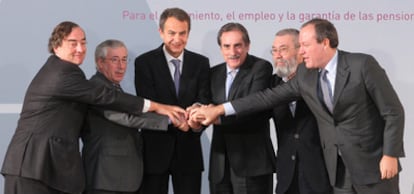
As for specific policies, the government initiative that the business world appreciated the most was pension reform - even though when the survey was completed, the pact on pensions between the executive, the unions and the employers' association was still far from a reality. Nearly 36 percent of respondents, three times as many as in the previous survey, approved of this measure. Negotiations with the European Union and social contributions were also viewed favorably. The worst opinions were reserved for the government's handling of inflation, which 40 percent of businesses disapprove of, followed by public spending, which 70 percent of respondents reject, and the liberalization of the labor market, which 63 percent of companies disagree with.
With regard to other issues that are relevant to the business world, slightly over a third of participating companies said they hoped the euro would depreciate against the dollar, although half of respondents thought the current exchange rates would hold steady in the first half of the year. Eight out of 10 business leaders think the European Central Bank should maintain official rates at current levels during the first half of 2011.