
Dutch smokers cross borders to buy tobacco
The increase in excise duty of almost 60% makes it cheaper to stock up in Germany, Belgium or Luxembourg
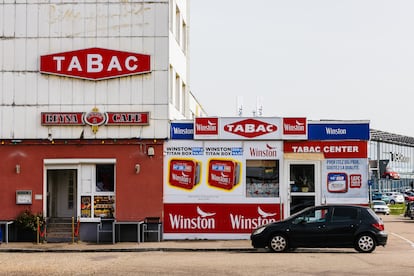

According to estimates by the Dutch Statistics Office, 18% of adults will smoke in the Netherlands in 2024, and the government has been raising excise taxes on tobacco in an attempt to reduce consumption. However, the effect has not been as great as expected, while what has changed is the behavior of smokers, who are willing to travel to Belgium, Germany, or Luxembourg in search of cheaper goods.
Last year, around 60% of the products consumed came from abroad, according to a study by the Dutch Institute for Health and the Environment (RIVM), an advisory body for the government. Another report, commissioned by the Association of Cigarette and Cut Tobacco Manufacturers (VSK), estimates that the Treasury loses around €2.6 billion ($3.05 billion) annually due to these trips by smokers and illegal trade.
The multi-billion-dollar figure is estimated based on an analysis conducted by market research firms WSPM and Kantar, which indicated that an average of 40% of all cigarettes were purchased abroad or through illicit channels. In the case of rolling tobacco, the proportion was around 50%.
Jan Hein Sträter, VSK director, attributed the situation to rising taxes in the Dutch media, saying, “People were used to fixed prices, and now the norm is to opt for cheaper alternatives, whether foreign or on the black market.” In his opinion, the tax burden has barely reduced the number of smokers (which fell from 20% in 2020 to 18% in 2024), and he proposes harmonizing these rates with neighboring countries, combating the illegal market, and supervising digital sales channels.
Is the price difference that big? With the 2024 tax increase, the price of cigarettes in the Netherlands increased by 24% and that of rolling tobacco by 45%. Thus, a pack of the former now costs more than €11 ($12.90), and a carton €130 ($152), compared to €6 ($7) and €70 ($82), respectively, in Luxembourg. The rolling blend, on the other hand, costs around €25 ($29.30) for 50 grams in Dutch stores and is two to three times more expensive than in Germany.
This disparity has also become a business for organized crime, and last year, 15 million cigarettes were seized in the port of Rotterdam. In April 2025, another 2.6 million were seized in Limburg (in the south of the country). And in May, more than 20 million more were found, along with some 3,700 kilos of rolling tobacco, in Brabant, also in the south.
Recommendations
In 2023, there was another tax increase, but it wasn’t as high: 11% for cigarettes and 28% for tobacco. The RIVM predicts that fewer people will try to quit smoking while prices remain low across the neighboring borders. What does it recommend to the government? Two things. On the one hand, it should take “more measures against cross-border purchases,” because now you can bring four cartons of cigarettes, one kilo of rolling tobacco, 200 cigars, and 400 cigarillos into the country. On the other hand, given that in 2024, 7% of smokers quit because it was too expensive (and 16% tried to quit), the RIVM believes the government should impose special taxes on e-cigarettes, “because many young people start there and then move on to real cigarettes.”
Dutch tobacco policy stems from the National Prevention Agreement (2018), based on two principles: higher prices and fewer points of sale. Although the number of smokers has decreased slightly, according to TabakNee (No Tobacco), an investigative journalism website on the tobacco industry, VSK omits in its analysis that the reason for raising this tax “is to limit smoking among young people.” It adds that the real losses “are the tax revenue that is lost due to illegal trade” and not so much purchases in other countries, which it describes as “part of the game.”
Sign up for our weekly newsletter to get more English-language news coverage from EL PAÍS USA Edition









































