
From Nestlé to Astronomer: Top executives who lost their jobs over secret workplace romances
The case of Laurent Freixe, CEO of the multinational chocolate company, adds to the growing list of office relationships that end in sudden dismissal
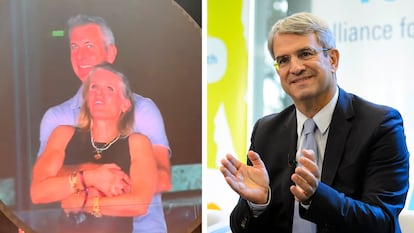
Secret office romances come with a cost in the United States: losing your job. On Monday, Nestlé’s CEO, Laurent Freixe, became the latest to join the list of senior executives who have lost their positions for maintaining and hiding a romantic relationship with an employee. Freixé’s undeclared relationship with a direct subordinate was revealed after the company launched an internal investigation.
In the case of Andy Byron, CEO of Astronomer, no investigation was needed. It was the Kiss Cam at a Coldplay concert in July that made public — and viral — his relationship with Kristin Cabot, head of human resources at the same company. The outcome for both was the same: out the door. And they are not the only ones. They are part of a long trickle of top executives who failed to inform their employers about romantic relationships within the workplace, as required by the governance policies of most U.S. companies.
The story follows the same pattern. A senior executive at a large company starts a romantic relationship with someone in their office. The new lovers hide their bond from the company, which constitutes a violation of codes of conduct. The relationship is uncovered after an internal investigation — or a Kiss Cam. The company dismisses the executive or pressures them to resign, and the case makes headlines. Here’s a look back at some of the most high-profile cases:
Harry Stonecipher (Boeing, 2005)
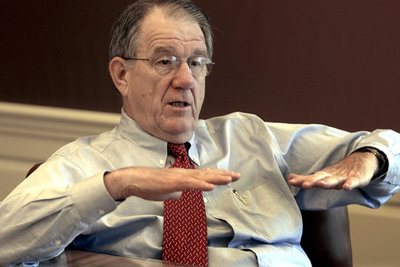
The U.S. aerospace manufacturer Boeing forced its president and CEO, Harry Stonecipher, 68, to resign after he was investigated over a relationship with a company executive. The company launched an internal investigation after receiving an anonymous complaint.
Board chairman Lew Platt explained that the investigation determined Stonecipher — who was married — had violated Boeing’s code of conduct. The executive involved, whose identity was not disclosed, was not under Stonecipher’s direct authority and her status at the company was unaffected. Platt stated that “the facts reflected poorly on Harry’s judgment and would impair his ability to lead the company.”
Mark Hurd (HP, 2010)
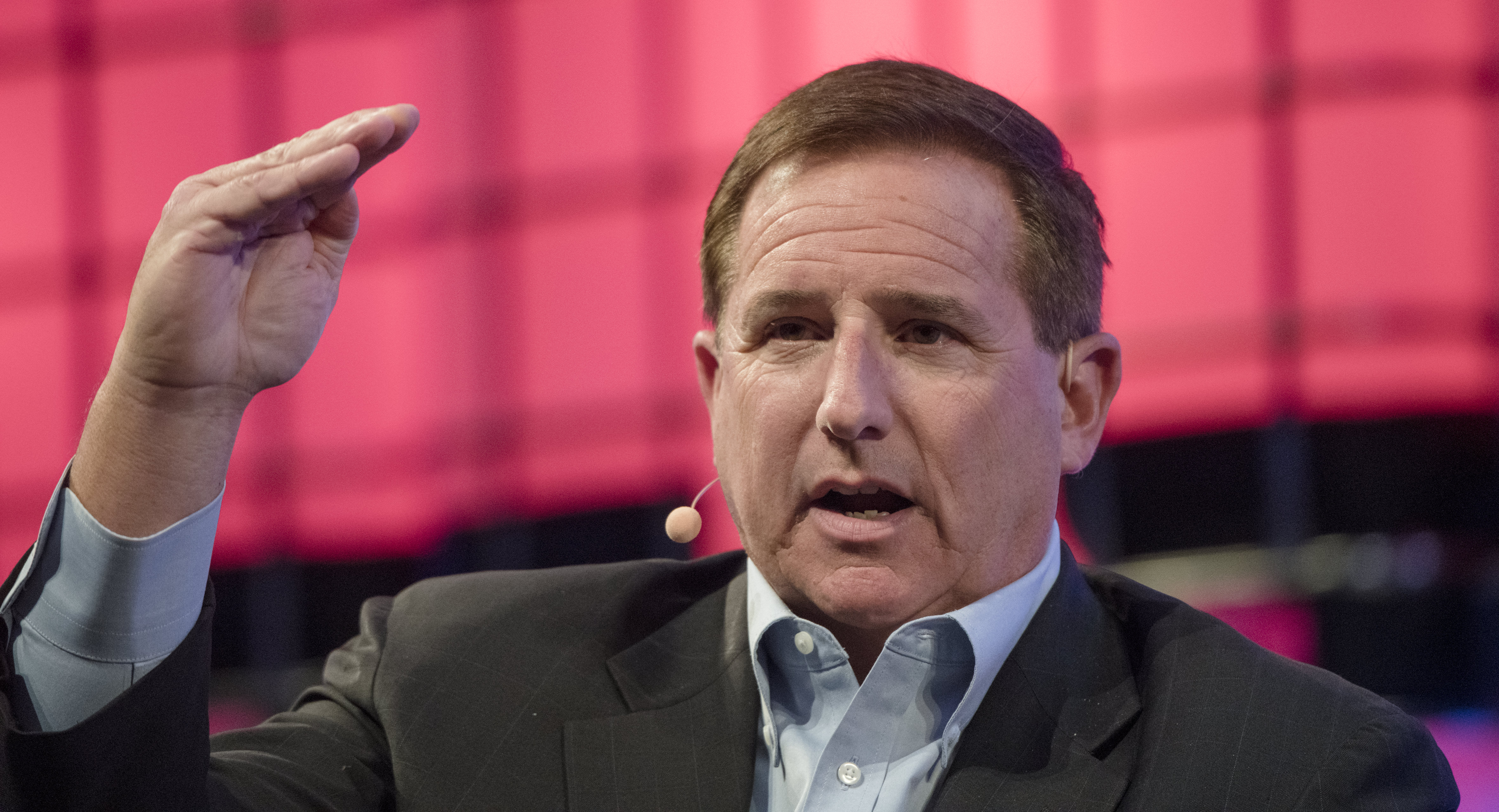
Mark Hurd, one of the most admired executives both inside and outside the tech sector, resigned unexpectedly, due to a sex scandal. The Hewlett Packard (HP) CEO from 2005 to 2010 maintained a secret relationship for a year and a half with a company contractor, sparing no expense — such as intimate dinners around the world — that he billed to the company.
Following a sexual harassment complaint, the company launched an internal investigation. However, in the statement explaining Hurd’s departure, HP’s board of directors made it clear that no violation of the so-called anti-harassment policy was found, although there was a violation of its code of conduct.
Brian Krzanich (Intel, 2018)
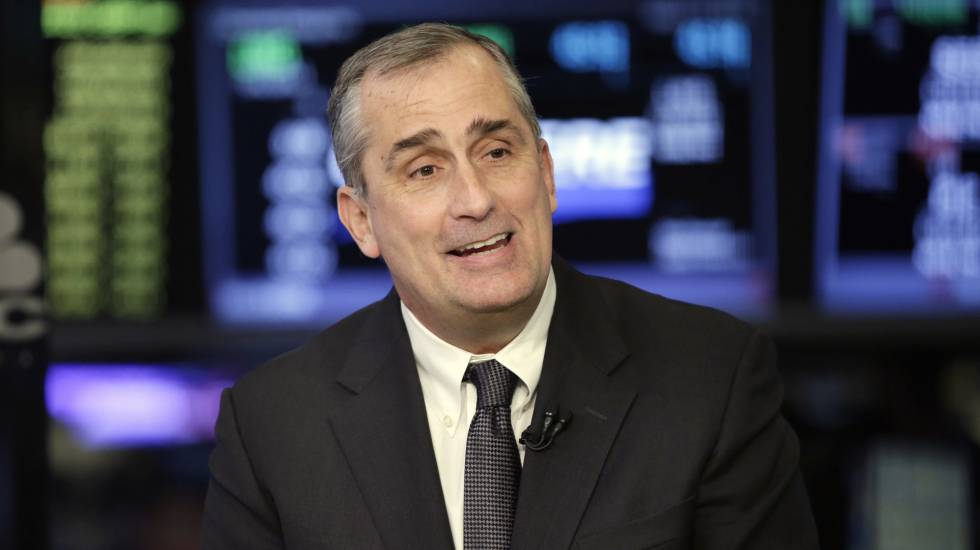
Intel CEO Brian Krzanich resigned in June 2019 after it became known that he had a relationship with an employee. The company, one of the world’s largest chipmakers, said that the relationship violated its code of conduct. In a statement, it explained: "An ongoing investigation by internal and external counsel has confirmed a violation of Intel’s non-fraternization policy, which applies to all managers. Given the expectation that all employees will respect Intel’s values and adhere to the company’s code of conduct, the board has accepted Mr Krzanich’s resignation.”
Steve Easterbrook (McDonald's, 2019)
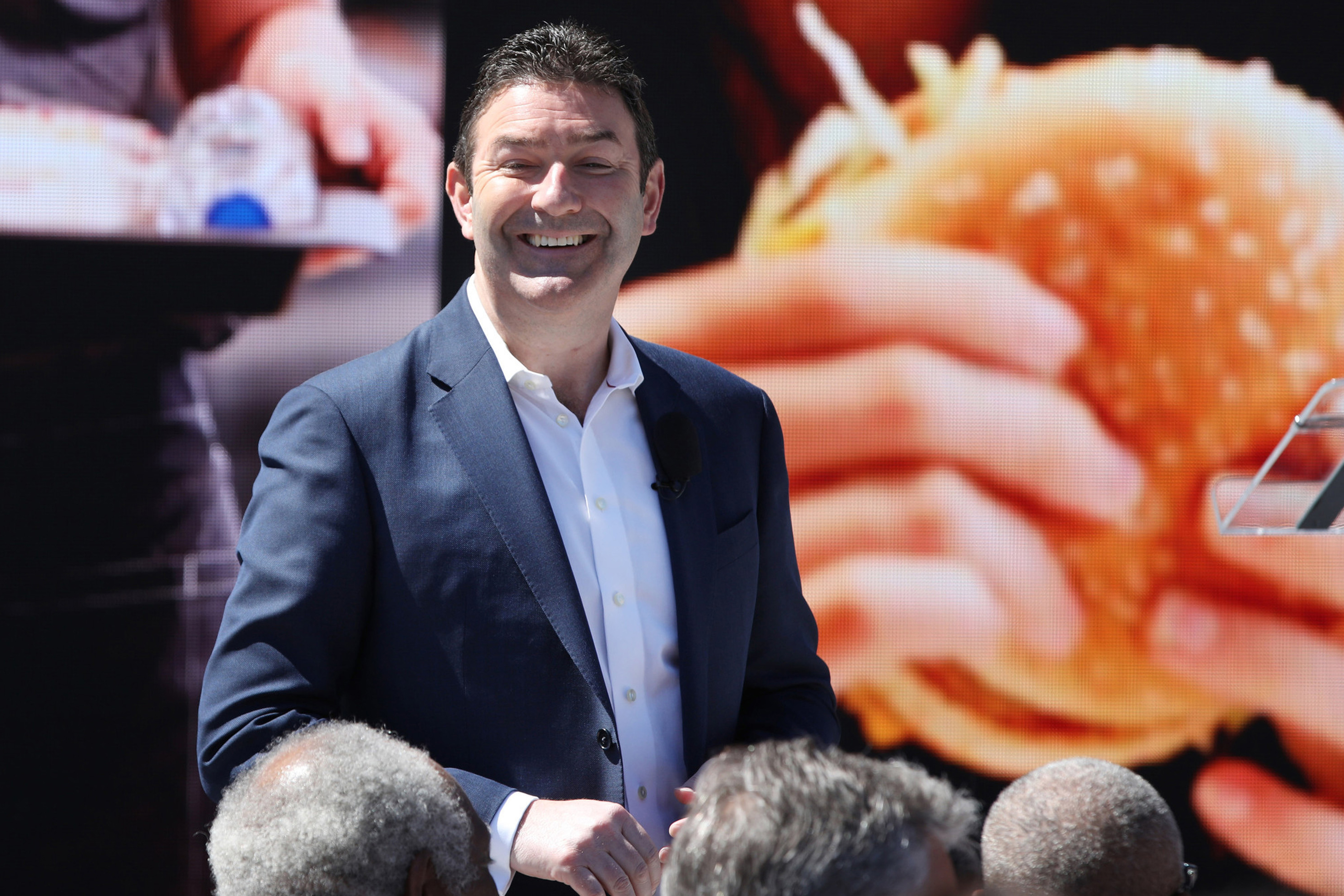
Steve Easterbrook was fired as McDonald's chief executive in November 2019 after he had a relationship with an employee. After his dismissal, Easterbrook sent an email to employees acknowledging the relationship. "This was a mistake," he wrote. "Given the values of the company, I agree with the board that it is time for me to move on."
Mark Wiseman (BlackRock, 2019)

In December 2019, when Mark Wiseman was a candidate to succeed to the top position at BlackRock, he was fired for failing to disclose an inappropriate relationship. "I am leaving BlackRock because in recent months I engaged in a consensual relationship with one of our colleagues without reporting it," Wiseman said. "I regret my mistake and I accept responsibility for my actions." The investment fund requires employees to disclose any relationships to the firm.
Jeff Zucker (CNN, 2022)
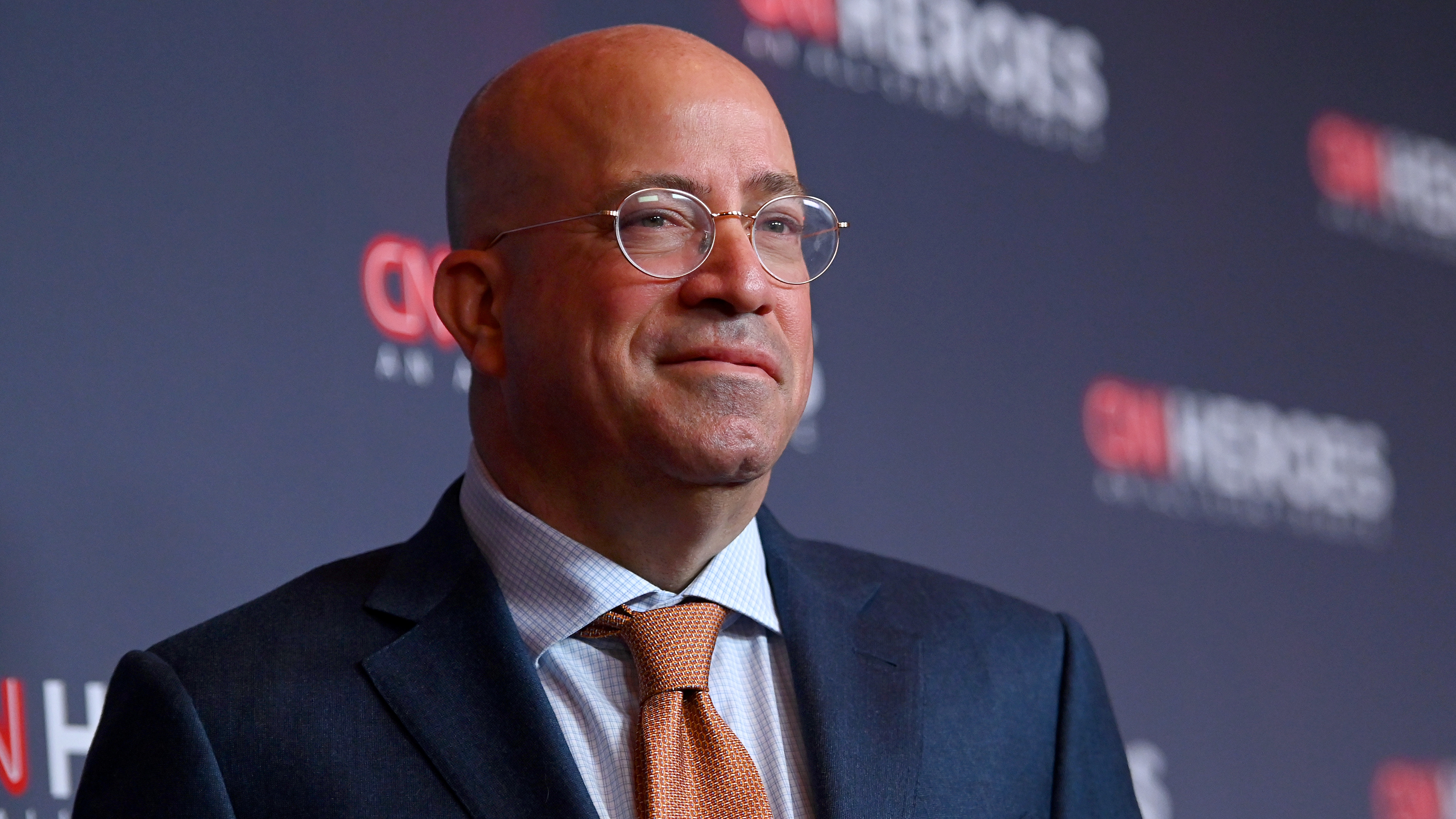
The president of the iconic television network CNN, Jeff Zucker, announced in February 2022 he was resigning over his relationship with a colleague. "As part of the investigation into Chris Cuomo’s tenure at CNN, I was asked about a consensual relationship with my closest colleague, someone I have worked with for more than 20 years," Zucker told employees in an internal memo. "I acknowledged the relationship evolved in recent years. I was required to disclose it when it began but I didn’t. I was wrong. As a result, I am resigning today."
Bernard Looney (BP, 2023)
The CEO of the British oil company BP, Bernard Looney, announced his resignation after admitting that he had not been “fully transparent” in disclosing "details of all relationships" he had with company colleagues.
Looney, 53, joined the company in 1991 and was appointed CEO in 2020 with the goal of leading the firm through the energy transition. According to the company, the board of directors received and reviewed anonymous allegations in May 2022 regarding Looney’s conduct in his personal relationships with colleagues at the company.
Andy Byron (Astronomer, 2025)

Astronomer’s CEO, Andy Byron, resigned after a video went viral showing him embracing a woman who was not his wife during a Coldplay concert in Boston on July 16. The woman identified as the company’s head of human resources, Kristin Cabot. The company, which specializes in data orchestration tools for businesses, decided to launch “a formal investigation” after the video went viral. On the social network X, the company stated that it is“committed to the values and culture that have guided us since our founding” and that it expects its leaders “to set the standard in both conduct and accountability.”









































