
Why some people get hooked and others don’t: genetics, childhood and brain circuits explain addiction
Scientific evidence has shown that is not a matter of willpower or a vice, but a mental disorder

Scientific evidence has shown that is not a matter of willpower or a vice, but a mental disorder

Humans are predisposed to experience a drop in alertness around midday, between six and eight hours after waking up

To better understand why some people develop the condition while others do not, researchers have worked together to identify distinct patient profiles

According to a recent study, parents exhibit greater connectivity in key sensory and motor brain networks that typically deteriorate as people age
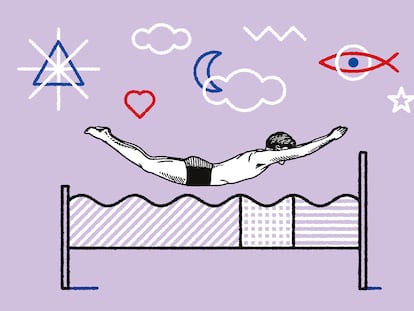
This process helps us regulate emotions and enhance creativity, but there are still many unanswered questions about how it works

Brief periods of sleep can drive creativity and help with problem-solving
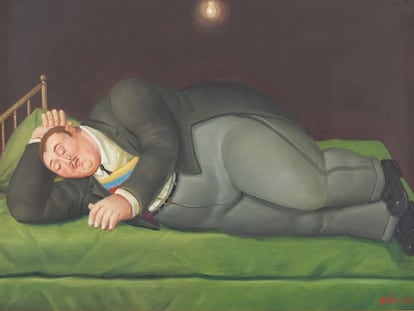
Each phase of life produces physiological and hormonal changes that can cause disturbances

Discussing sexist stereotypes in advertising, films, and childhood stories — along with the example set by adults — are key tools in countering the influence of misogynistic content online
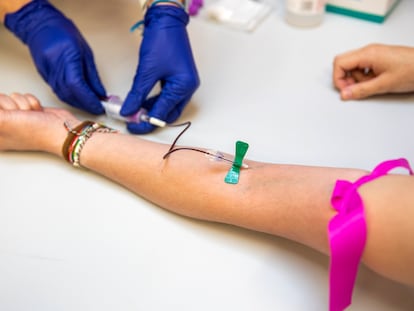
A new study has concluded that a blood test can identify whether the body’s organs are aging faster than expected

A new article proposes offering citizens over 50 a combined medication that includes a cocktail of blood pressure-lowering drugs, but other experts view the idea with skepticism
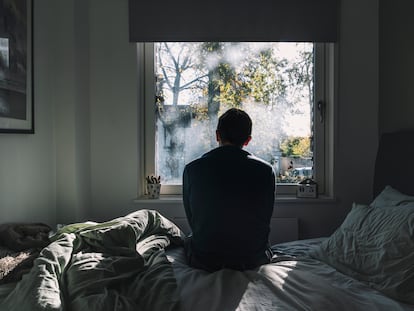
The results of a recent analysis suggest that therapies should focus on reducing repetitive and negative thoughts rather than simply promoting more social connections

Over time, our schedules encourage a sustained alteration in biological cycles. This translates into an alteration in sleep rhythms

According to scientific evidence, more than 70% of progenitors display preferential treatment towards one of their kids — though only 10% admit to having a descendant of choice

New research suggests that consuming more than half of your daily calories after 5 p.m. is linked to elevated glucose levels

A new study finds that it’s not the use of the internet, screens, or platforms that harms mental health, but rather the type of content consumed

A new study confirms the presence of alpha-synuclein in 20 cases of individuals with RBD, a condition characterized by vigorous motor behaviors and nightmares, which could serve as an early symptom of neurodegenerative diseases
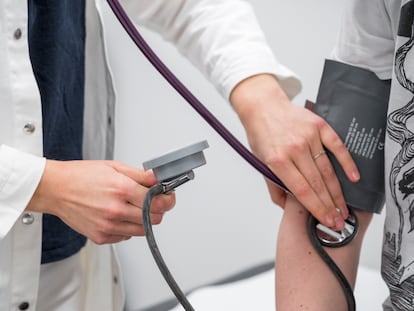
Common mistakes include failures to ensure a calm environment and that patients remain seated five minutes prior to their test

A study of 80,000 people in the U.K. shows that to reduce the risk of heart disease, people should do activities that require them to move during the work day

Scientific research shows higher temperatures decrease positive emotions such as joy or happiness and increase negative ones such as anger or stress
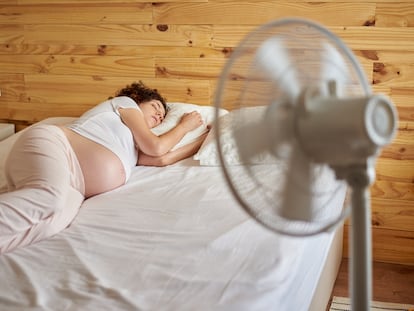
High temperatures on equatorial nights, which have multiplied in recent years, are associated with less — and less efficient — sleep

Data from more than 350,000 people over 13 years suggests that a good diet, exercise and not smoking considerably lengthens the life of people genetically predisposed to have a shorter life span
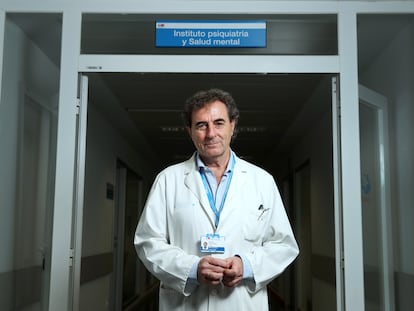
In his latest book, ‘Personality and its Disorders,’ he offers readers an informative introduction to the science of personality
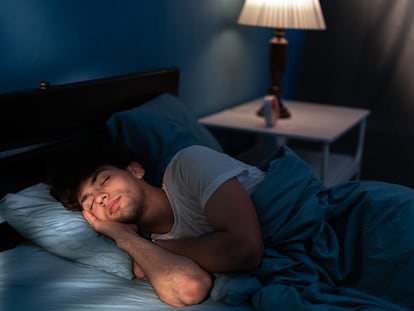
Exposure to exterior nighttime illumination affects our biological clock and sleep quality, and a recent study links it to an elevated chance of having a stroke
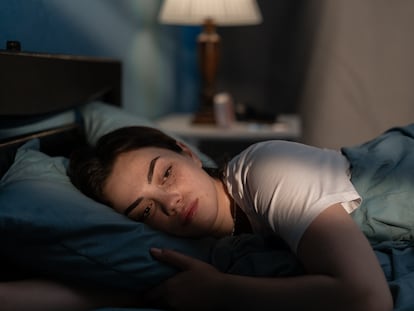
A meta-analysis synthesizes 50 years of sleep deprivation research and reveals that not enough rest can lead to emotional changes the next day

People from more disadvantaged backgrounds are 440% more likely to suffer from the disease, compared to people with higher incomes

Performing the equivalent of four minutes of physical activity a day is a valid strategy to strengthen the brain

Various studies show that exposing workers to nothing but artificial lighting puts their physical and mental health in danger