
US government shutdown: What does it mean, and what impact could it have?
Shutdowns force many government offices to close their doors, lay off workers, and suspend programs until funding is restored
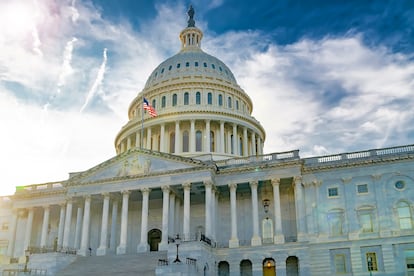

The United States is once again facing the possibility of a government shutdown as Congress remains deadlocked over federal funding. If lawmakers and the White House fail to reach an agreement before Tuesday night’s deadline, much of the federal government will shut down. Here’s an explanation of what a shutdown means, which services will continue, and how it could affect daily life.
What is a government shutdown?
The federal government can only spend money approved by Congress through annual spending bills or temporary extensions known as continuing resolutions (CRs). When funding runs out and no new legislation is passed, federal agencies are required by law to halt many of their operations.
Essential services, such as national security, law enforcement, and Social Security payments, continue. However, a shutdown forces many government offices to shut down, furlough their workers, and suspend their programs until funding is restored.
Who continues to work?
During a shutdown, federal employees fall into two categories:
Essential employees
Workers whose jobs are related to public safety or national security, including TSA agents, border patrol agents, and air traffic controllers, must continue to work, even though they will not be paid until the shutdown ends.
Non-essential employees
Hundreds of thousands of employees at agencies such as the IRS, the Environmental Protection Agency, and the Small Business Administration are typically furloughed. This time around, the Trump administration has gone further and ordered agencies to prepare permanent layoff notices, which could reduce the federal workforce even after funding resumes.
What benefits continue?
Not all federal programs stop during a shutdown. Key benefits that Americans depend on will continue to function:
Social Security and Medicare
Benefits are considered mandatory spending and continue without interruption. However, administrative services, such as issuing replacement Medicare cards, may be delayed.
Medicaid
The program has sufficient funds for the entire first quarter of the fiscal year, but prolonged shutdowns could create uncertainty.
Benefits for veterans
Health care and pensions will continue, although services such as career counseling may be suspended.
SNAP (food stamps)
The Supplemental Nutrition Assistance Program is not expected to be immediately disrupted, although its long-term stability depends on the duration of the shutdown.
WIC (Women, Infants, and Children Program)
Lack of funding could prevent new applicants from receiving assistance beginning October 1.
What federal services would be disrupted?
Many services that people interact with on a daily or seasonal basis could be slowed or disrupted:
Taxpayer services
IRS operations, including processing returns and responding to questions, could be delayed.
Small business support
The Small Business Administration may stop approving most loans, except for disaster relief loans.
Housing programs
Rent assistance and federal housing loans could be delayed, placing a burden on low-income families.
Inspections
Previous shutdowns have disrupted food safety checks and environmental monitoring.
Airports and national parks
Travel and leisure are also affected:
Airports
Flights continue, as air traffic controllers and TSA agents work during shutdowns. But long lines and delays are possible if staff stay away because they are not being paid, as happened during the 2018-2019 shutdown.
National parks
Access depends on how the administration handles the shutdown. In some previous shutdowns, parks remained open but without maintenance or security personnel, leading to excessive litter and damage to natural resources. In other cases, there were total closures.
Postal Service
The U.S. Postal Service is funded by the sale of stamps and other services, not by congressional appropriations. Mail and packages will continue to be delivered as usual.
What is the economic impact of a shutdown?
Shutdowns carry significant economic costs. The Congressional Budget Office estimated that the 2019 shutdown reduced GDP by $8 billion in the first quarter, with a permanent loss of $3 billion. Workers who do not receive their salaries, contractors who lose income, and private companies awaiting federal loans or permits are among those most affected.
The current shutdown could be more damaging due to the administration’s plan to make layoffs permanent, which could reduce the government’s long-term capacity.
How long could it last?
Shutdowns have lasted from a few hours to more than a month. The 2018-2019 shutdown lasted 34 days, the longest in U.S. history. This time around, lawmakers warn that the stalemate could drag on, as the deadline falls in the middle of the week, without the typical weekend respite for last-minute negotiations.
Sign up for our weekly newsletter to get more English-language news coverage from EL PAÍS USA Edition









































