
Jimmy Carter enters hospice care. What is it?
This treatment is designed to make patients comfortable and to reduce pain and suffering in their final days
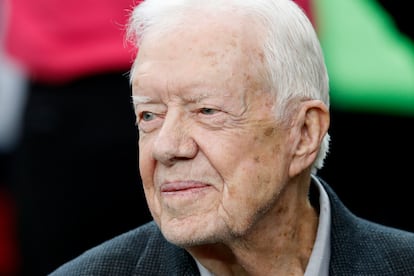
Former US president Jimmy Carter entered home hospice care in Plains, Georgia, after a series of short hospital stays. The Carter Center said in a statement Saturday that Carter, 98, “decided to spend his remaining time at home with his family and receive hospice care instead of additional medical intervention.”
Hospice care is treatment designed to make patients comfortable and to reduce pain and suffering in their final days. It is usually home-based, but can also be provided in nursing homes, hospitals and hospice centers. It is reserved for those declared by two physicians to be terminally ill, with six months or less to live.
The average time spent in hospice is about three weeks, said Dr. Arif Kamal, chief patient officer at the American Cancer Society. Care may include medicine, but only to reduce symptoms, not with the intent to cure any illness.
Patients are typically cared for by family members, with supervision from hospice doctors, nurses and social workers. Much of the focus is on making sure family caretakers feels supported, Kamal said.
The team “addresses everything from physical symptoms to emotional distress, helping think through logistics related to burials, wills and advanced care planning,” he said.
Under Medicare rules, patients may enroll in hospice if they meet certain criteria depending on their illness. For example, cancer patients must be unable to perform at least two usual activities of daily living without help, such as eating or dressing, with other challenges that may include evidence that the disease has spread widely and their health is declining despite treatment.
It is unclear what led to Carter’s decision to enter hospice care, but within the past several years he has been treated for metastatic skin cancer and for injuries from falls.
Modeled after UK programs, the hospice movement got its start in the United States in the late 1970s during Carter’s presidency.
Sign up for our weekly newsletter to get more English-language news coverage from EL PAÍS USA Edition









































