
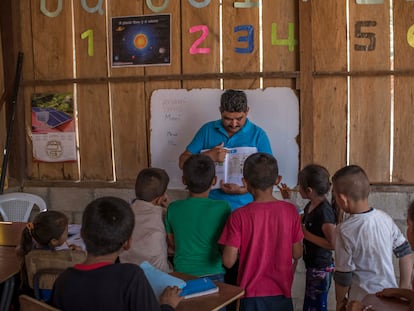
Wanted: 3.2 million teachers
Latin America and the Caribbean have an enormous educational setback, and those who carry the burden are poorly paid, technologically challenged teachers with pandemic fatigue
Latin America and the Caribbean have an enormous educational setback, and those who carry the burden are poorly paid, technologically challenged teachers with pandemic fatigue
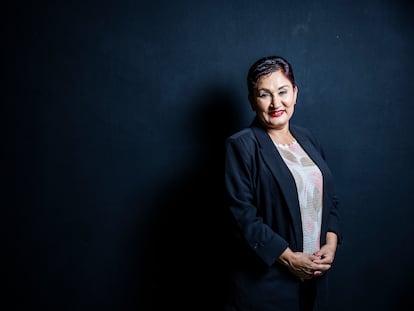
The ex-attorney general of Guatemala wants to return to her home country, where she is hopeful President-elect Bernardo Arévalo will take office in January
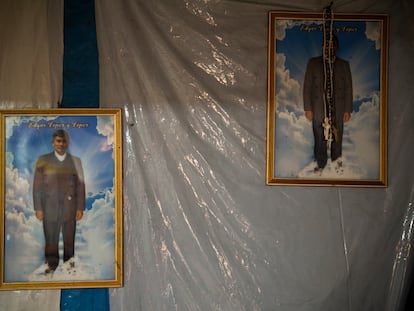
The Prosecutor’s Office has asked for a total of 969 years in prison for 11 police officers involved in the migrant massacre. For the repentant officer – who has been key to building the case – prosecutors are asking that he receive a reduced sentence of 19 years
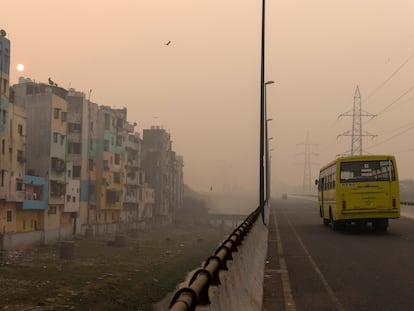
The lungs of Indians, Congolese and Bangladeshis are in worse condition than those of a person who has smoked for years. The UN wants to create a global fund to combat an issue that has become the world’s biggest public health problem

The president-elect has denounced an attempt to block him from being sworn in on January 14, calling it a coup’
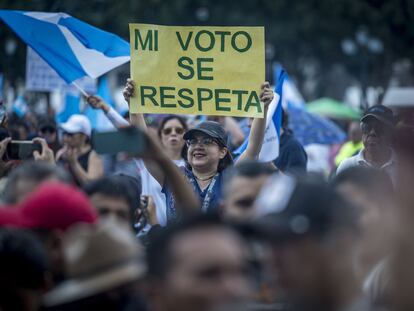
The decision by the Supreme Electoral Tribunal came days after the electoral registry suspended the party on a judge’s order
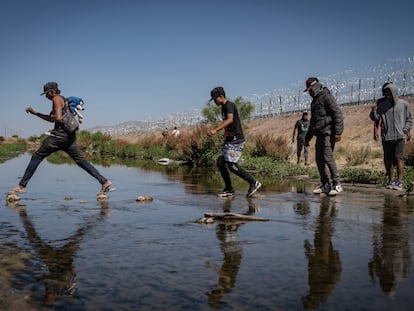
At least 91,000 immediate family members were detained last month, the highest figure since May 2019
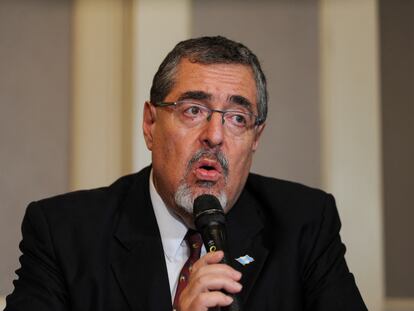
Arévalo appears certain to take office as president on Jan. 14, but it was not clear whether his Seed Movement lawmakers would be able to take their seats in the country’s Congress
The Seed Movement candidate and anti-corruption champion won 58% of the vote, while his rival, Sandra Torres, secured 37.2%
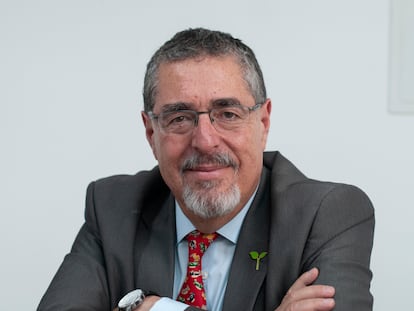
In an interview with EL PAÍS, the Movimiento Semilla leader, who has a comfortable lead in the polls ahead of Sunday’s elections, proposes ‘re-founding’ a system hijacked ‘by the corrupt political class’
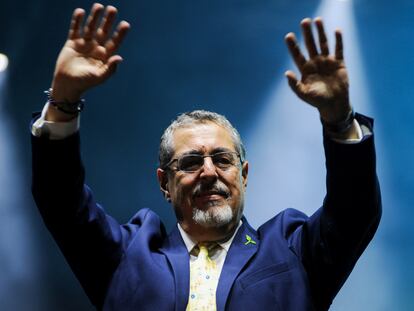
Sandra Torres and Bernardo Arévalo will face off Sunday. Opinion polls released this week have showed the latter ahead by a wide margin
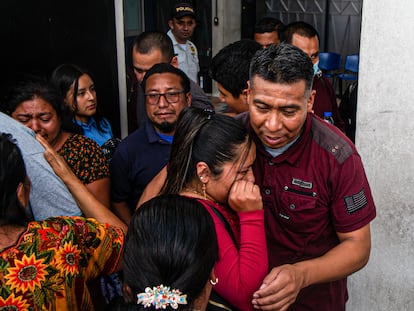
Every week, repatriation flights bring hundreds back to the Central American country, some of whom haven’t lived there in years
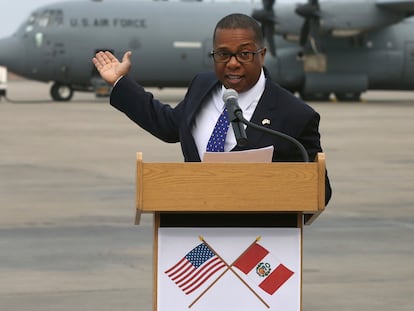
The State Department warns that it ‘will consider all available tools to deter and disrupt anti-democratic activity’ in Central American countries
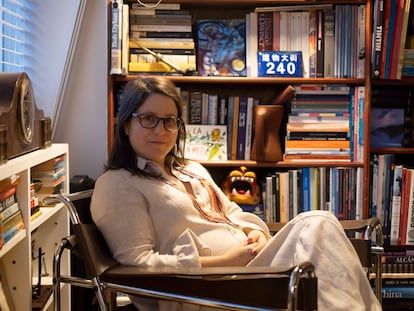
The director of the Americas Division of Human Rights Watch regrets that the final declaration of the EU-CELAC summit does not openly condemn the region’s authoritarian regimes
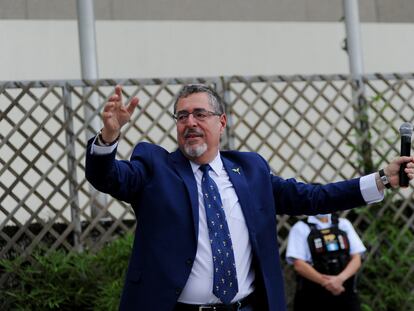
President Alejandro Giammattei was deeply unpopular at home, but managed to consolidate his control of the justice system with little consequence
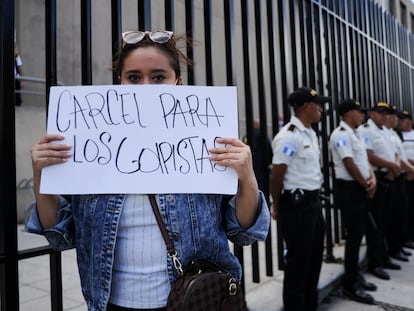
The Constitutional Court has granted a provisional injunction, which for the time being ensures his participation in the second round of voting. The progressive candidate achieved a surprise 12% of the first-round vote to move into a contest for the presidency with former first lady Sandra Torres
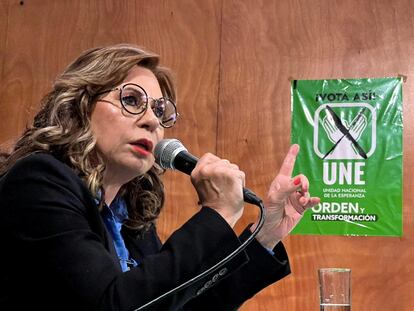
The government’s actions against Arévalo sparked objections from within and outside Guatemala. U.S. officials called them a threat to the country’s democracy

At the age of 12, Fatima’s teacher in Guatemala abused her and disappeared. Now, along with four other women, she is demanding justice to prevent history from repeating itself

Guatemala’s troubled presidential election has been thrown into even greater turmoil after the country’s top electoral tribunal confirmed the results of the June 25 vote while the Attorney General’s Office announced that the second place party had been suspended
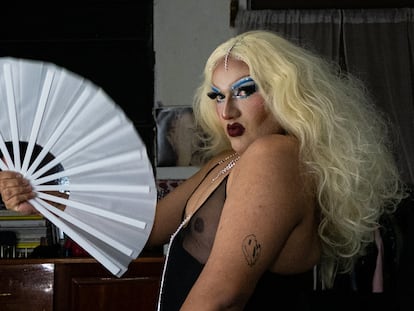
Gloria Deus, Andromeda, Nauxea, and dozens of performers claim their art as a political act in a country where the LGBTQ+ community is threatened by discriminatory laws and violence

Tense days are unfolding in the Central American nation following a court ruling to review the unexpected outcome of the initial round of voting
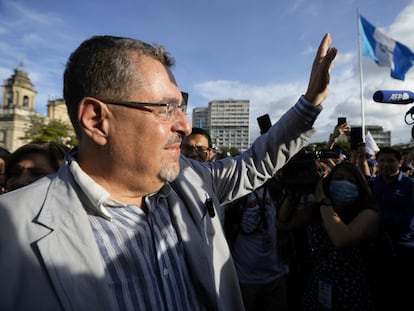
In an interview with EL PAÍS, the candidate for the Seed Movement – a center-left political party – affirms that, in the runoff election scheduled for August, he will seek alliances with ‘all who have a constructive attitude and who are against corruption’
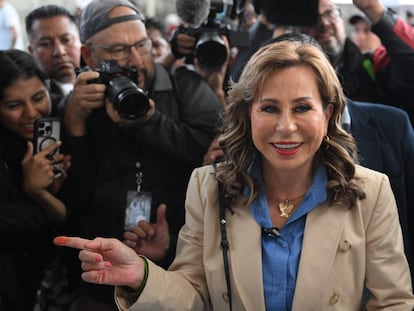
The UNE party nominee touts her ‘defense of children and families’ while attacking her progressive opponent, Bernardo Arévalo
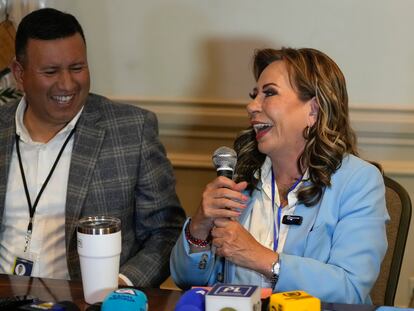
The Supreme Electoral Tribunal says that former first lady Sandra Torres for the conservative UNE party has 15.7% and Bernardo Arévalo of the leftist Seed Movement has 11.8%
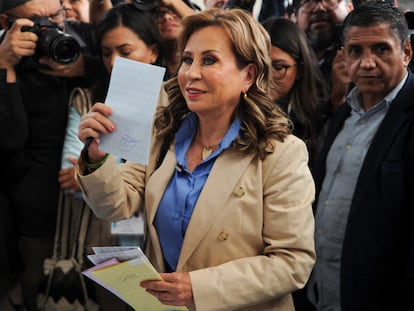
Former first lady Sandra Torres had nearly 15% of the vote with 77% of ballots counted. The big surprise was the strong performance by Bernardo Arévalo, the son of a former president, who might face her in an August runoff
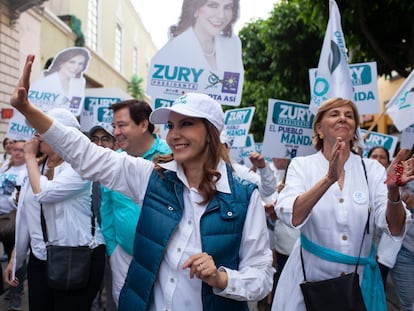
With a hundred exiles and the rapid erosion of the separation of powers, Sunday’s contest is crucial in Central America, where leaders like Bukele and Ortega are seizing power and restricting rights
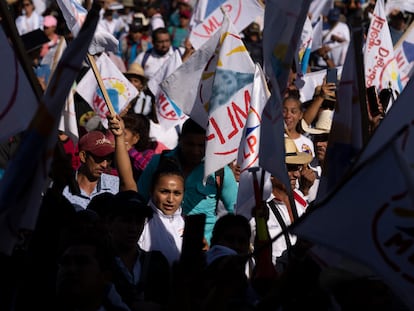
As many as 13% of eligible voters plan to cast null votes Sunday, according to a poll published by the Prensa Libre newspaper