
Three women, three countries and a global crisis
The world is rearming and humanitarian aid is collapsing. Tamanna, Hamada and Carmen Elena have felt the shock of the global upheaval firsthand. Like them, millions of women in the Global South feel the sting of decisions made in offices thousands of kilometers away. Three comics and a common denominator: being a woman
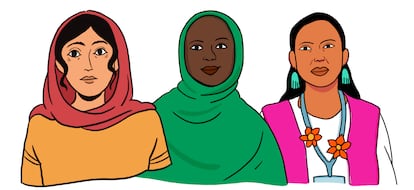
Tamanna, Hamada and Carmen live in three countries hit by the unprecedented crisis shaking the humanitarian sector. Afghanistan, Nigeria and Colombia are just three examples of the enormous impact of the collapse in international funding, which several projections estimate could result in millions of deaths.
The United States, along with major European donors such as the United Kingdom, Germany and France, has opted for drastic cuts to development aid. When world leaders prioritize rearmament over cooperation, women are the ones who suffer most. That is why, this March 8th, we wanted to focus on the women of the Global South.
The stories of these three women were sought out and written by three reporters from their respective countries. Then, from Paris, Nade, who is Franco-Iranian, illustrated them, and in London, we coordinated and edited the work. What you have in your hands is a collaborative process, created by women, through which we have tried to convey with as little distortion as possible the reality that affects millions of women around the world.
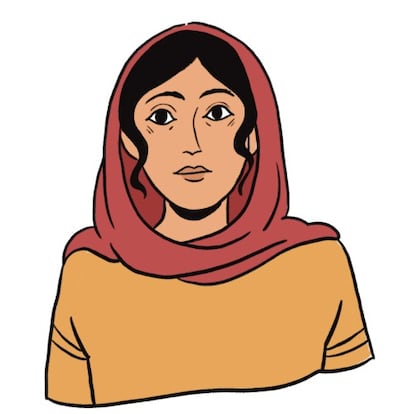
The reporters: Zohal Azad and Ghazal Mohammadi are the pseudonyms of two Afghan journalists. They are part of Rukhshana Media, an organization that reports clandestinely from Afghanistan on the brutal reality faced by women and girls since the imposition of gender apartheid by the Taliban after their return to power in 2021.
The protagonist
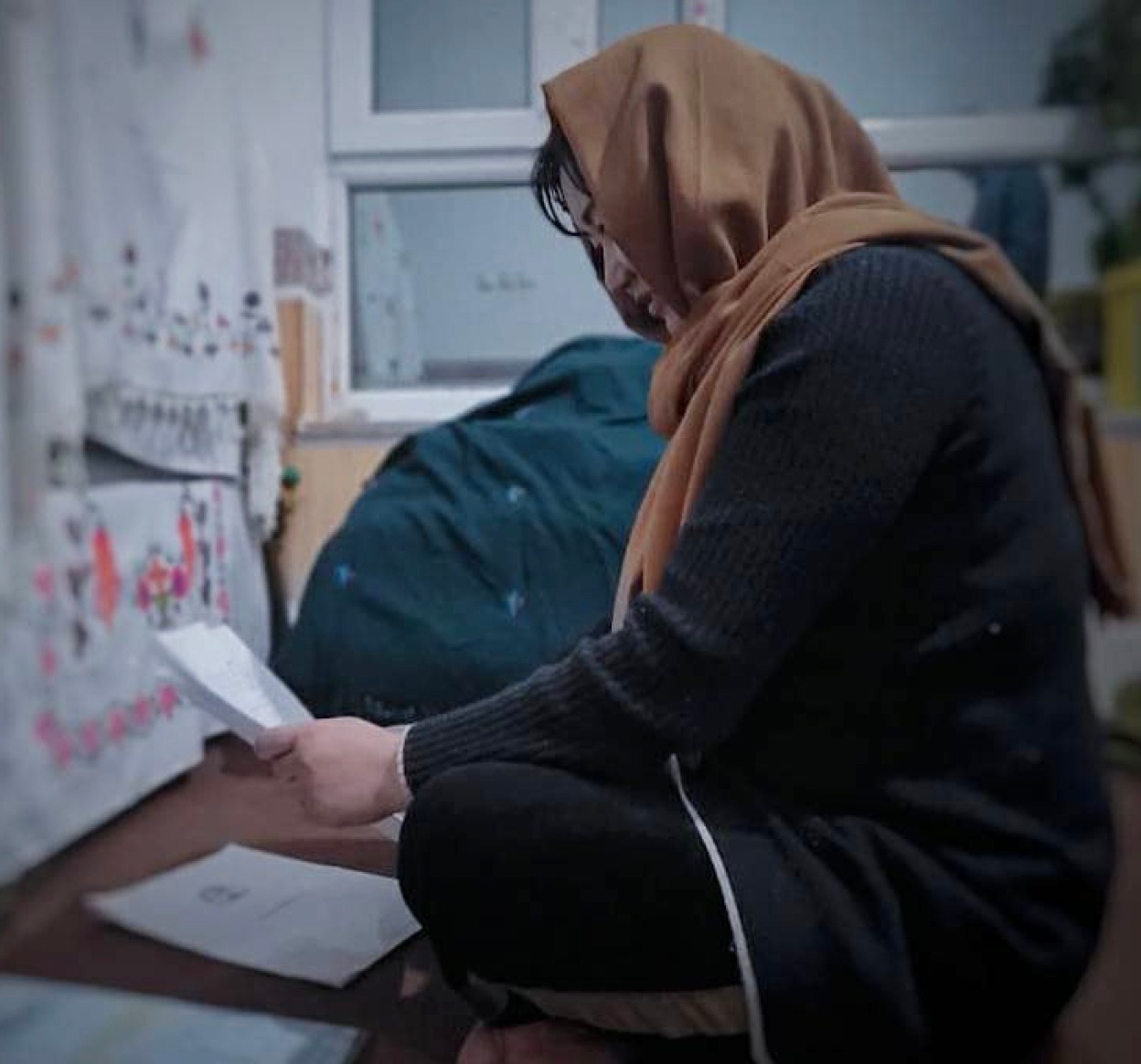
Tamanna lives in Afghanistan, the only country in the world where half of the population — that is, women — cannot work, study, or even sing. When one of the few options available to women, working for an NGO, became impossible due to the lack of international funding, her life came to a standstill.
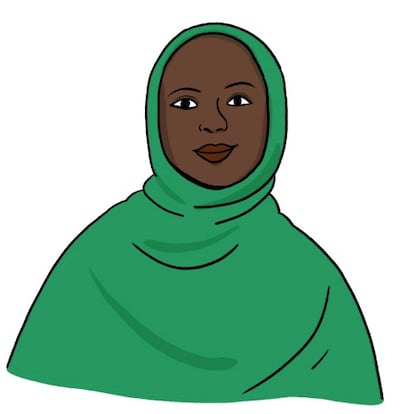
The reporter: Zubaida Baba Ibrahim is a Nigerian journalist who works at Nigeria Health Watch and seeks to challenge conventional narratives through multimedia storytelling. In her country, the cuts have hit mothers and pregnant women with particular severity.
The protagonist
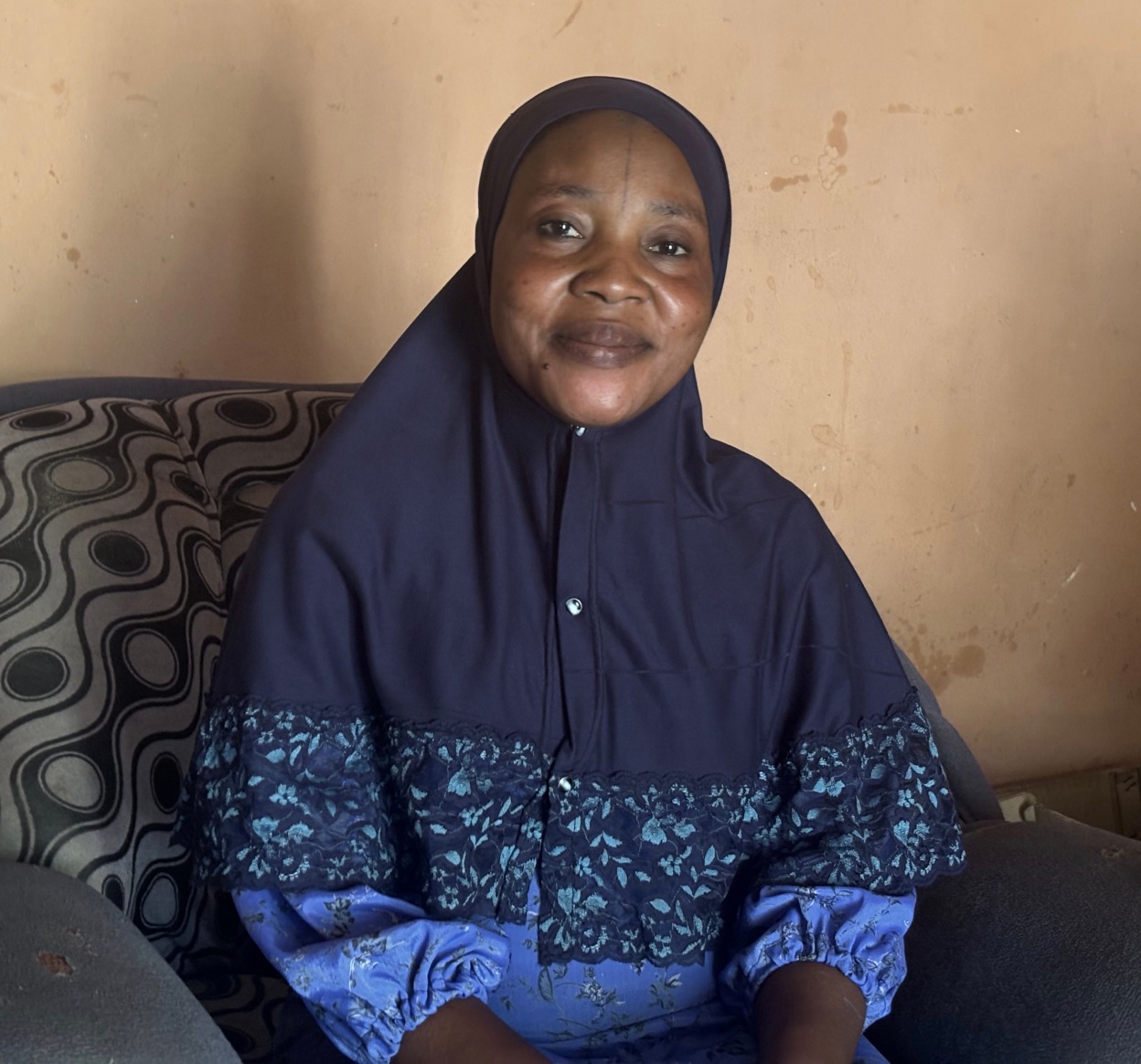
Hamada lives with HIV in Nigeria, where the stigma surrounding the illness condemned her to ostracism. When, in 2025, the United States dismantled USAID and decided to halt the antiretroviral program that allowed her to access her treatment, fear overwhelmed her.

The reporter: Valentina Parada Lugo is a Colombian journalist who works in the EL PAÍS América newsroom in Bogotá. She writes about the internal armed conflict, justice, and human rights, with special attention to the stories of women in contexts of violence.
The protagonist
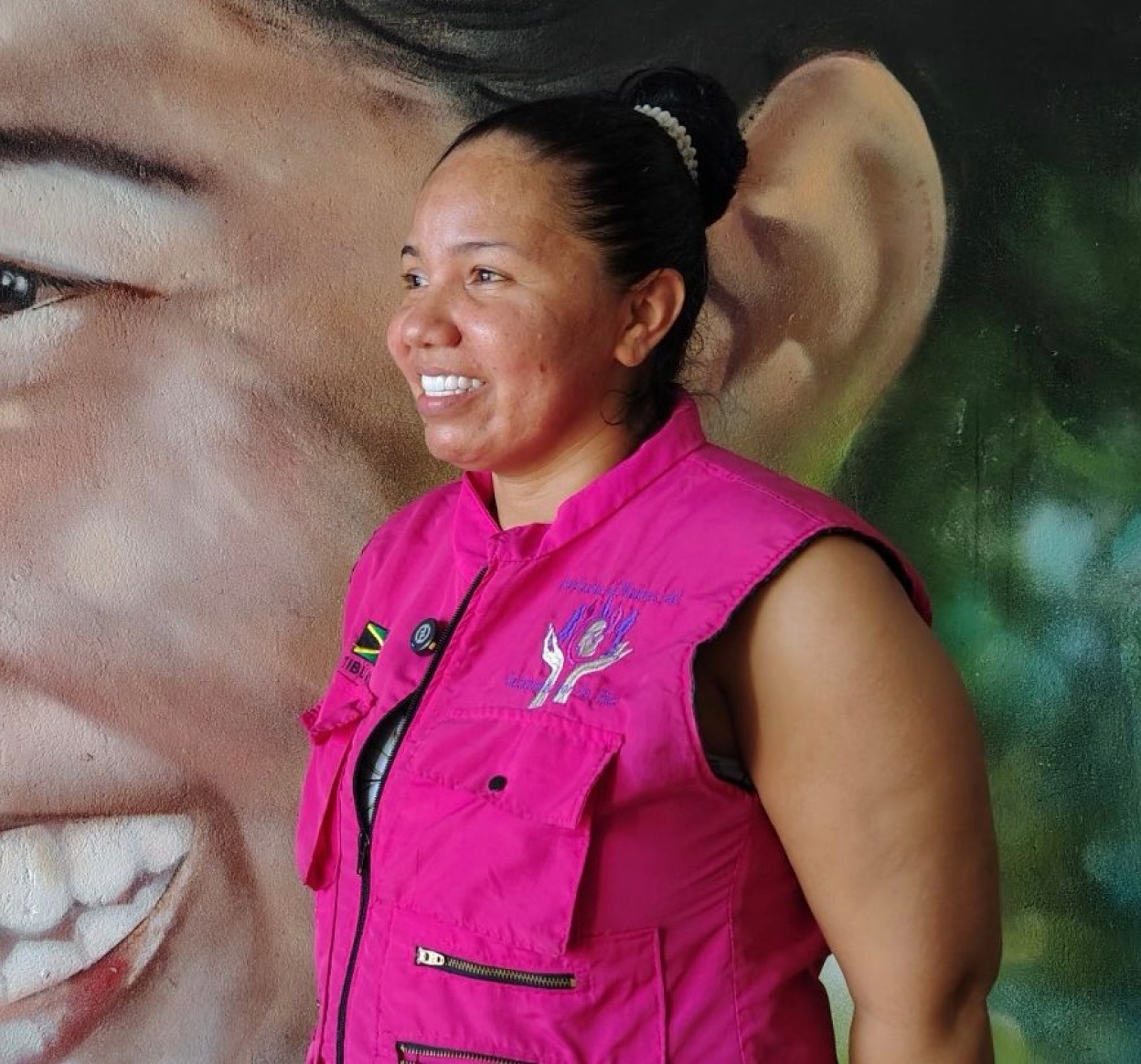
Carmen Elena is a Colombian woman who fights to offer a refuge to mothers protecting their children from armed groups. Her husband and brother were killed, and she now lives far from home with other women who have been affected by gender‑based violence and guerrilla attacks.
The lives of these women were cut short from one day to the next, when thousands of miles away from their homes, the president of the United States, Donald Trump, decided to wipe out USAID, the development agency of what had been the world’s largest donor. They are just one example of the many who have felt the harsh sting of those decisions across the world.
The three women featured in this special, like so many other aid recipients, are not passive subjects waiting for charity. They are people with dreams and projects whose geography and condition as women have condemned them to vulnerability.
When the moral imperative of humanitarian aid that prevailed for decades collapses and conflict takes precedence over cooperation, they are the ones who suffer most. First, because poverty rates are higher among women, and they therefore depend more on humanitarian assistance; but above all because much of development cooperation focuses on issues that their governments often neglect, including maternal and child health, family planning, and programs addressing violence against women. And when crises intensify, girls are the first to be pulled out of school to work, or end up being sold or prostituted. And when funding for health fails to arrive and the sick cannot be treated, women are usually the ones who take on the burden of care, abandoning their life plans and even their own health.
One figure helps illustrate the severity of the current moment: 2025 is the year in which child mortality rose again for the first time in 25 years, partly due to the lack of resources for pregnant women. “What we are seeing now is the immediate impact. The long term is going to be devastating,” predicts Kellie Leeson of the Women’s Refugee Commission, whose organization has produced a detailed study on the impact of the cuts one year later. It notes, for example, that with the dismantling of USAID, 94% of U.S. funding for sexual and reproductive health was eliminated. The Guttmacher Institute estimates 17 million unintended pregnancies resulting from the cuts in just one year.
The slashing of development aid has sparked deep reflection on humanitarian assistance and cooperation, starting from the premise that they are far from a cure‑all. They are part of an imperfect system that creates dependency, often reflects donor priorities, and has long been in urgent need of reform. But cutting aid abruptly, without time to build alternatives for self‑sufficiency, pushes the most vulnerable countries toward humanitarian catastrophe and endangers decades of progress in global health that affect us all.
ILLUSTRATIONS
Nade is Franco‑Iranian and illustrates projects for children as well as for adults. She works on issues focused on reproductive justice, anti‑racist and queer feminism, and physical and mental health.