Ukraine’s empty classrooms
More than half of the children in the country have been displaced by the conflict with Russia. This photo essay highlights how the war has disrupted students’ education
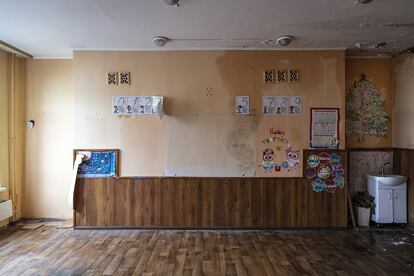
Children in Ukraine had learned how to adapt to remote learning due to the Covid-19 pandemic, when Russia invaded the country and upended its education system. More than half of the country’s 7.5 million children have been displaced by the conflict, while five million have had to pause their studies. In the face of the immense challenges posed by the war, continuing children’s education has become yet another form of resistance in Ukraine.
Teachers have returned to remote learning. Students log in from different countries in Europe, safer regions in western Ukraine and from the areas hit hardest by the war. And as soon as it was safe to do so, schools have been reopened in towns no longer on the front lines of battle. This happened in Irpin, which had been occupied by Russian troops for a month.
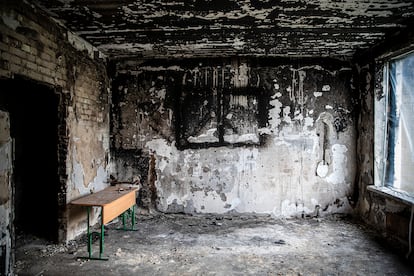
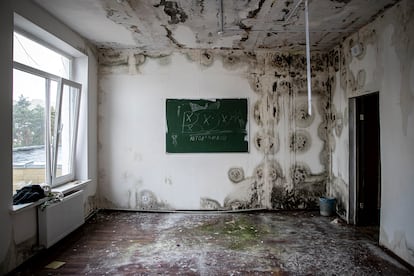
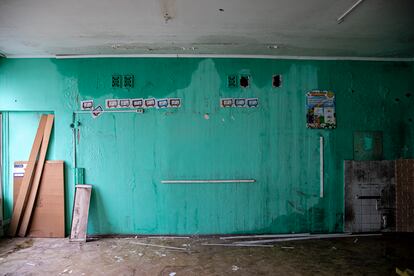
Natalia, 42, the head of a school in the neighboring town of Bucha, says that reopening schools was key to helping children rebuild their routines, as was socializing with fellow students. In some Russian-occupied towns, the invading troops used schools as barracks. They defecated in classrooms and left offensive messages on the blackboards as they killed and subjugated the residents. In other cases, where Moscow’s troops were pushed back by Ukrainian counter-offensives, Russian soldiers destroyed schools before they fled.
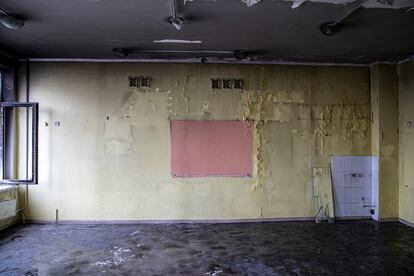
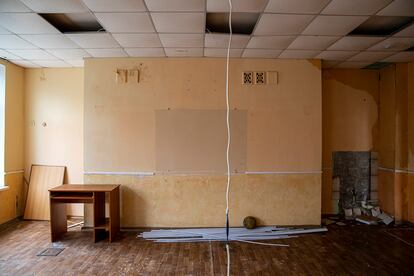
This photo essay, made in collaboration with the NGO Educo, shows the empty classrooms of a school in Irpin, a town of 100,000 inhabitants on the outskirts of Kyiv that was the scene of fierce fighting between the Ukrainian and Russian armies.

Tu suscripción se está usando en otro dispositivo
¿Quieres añadir otro usuario a tu suscripción?
Si continúas leyendo en este dispositivo, no se podrá leer en el otro.
FlechaTu suscripción se está usando en otro dispositivo y solo puedes acceder a EL PAÍS desde un dispositivo a la vez.
Si quieres compartir tu cuenta, cambia tu suscripción a la modalidad Premium, así podrás añadir otro usuario. Cada uno accederá con su propia cuenta de email, lo que os permitirá personalizar vuestra experiencia en EL PAÍS.
¿Tienes una suscripción de empresa? Accede aquí para contratar más cuentas.

En el caso de no saber quién está usando tu cuenta, te recomendamos cambiar tu contraseña aquí.

Si decides continuar compartiendo tu cuenta, este mensaje se mostrará en tu dispositivo y en el de la otra persona que está usando tu cuenta de forma indefinida, afectando a tu experiencia de lectura. Puedes consultar aquí los términos y condiciones de la suscripción digital.
More information
Archived In
Últimas noticias
War lessons for a Europe abandoned by the US: Without air superiority, tanks are useless
Venezuela faces its most tense Christmas yet
How migrants in the United States are spending Christmas: ‘There is no reason to celebrate’
Miguel Alandia, the artist whose murals were saved by miners under Bolivia’s military rule
Most viewed
- The Florida Keys tourist paradise is besieged by immigration agents: ‘We’ve never seen anything like this’
- Charles Dubouloz, mountaineering star, retires at 36 with a farewell tour inspired by Walter Bonatti
- Chevy Chase, the beloved comedian who was a monster off camera: ‘Not everyone hated him, just the people who’ve worked with him’
- December Social Security and SSI payments: Dates, double checks and the 2026 COLA increase
- The low-cost creative revolution: How technology is making art accessible to everyone





































