
On horseback against the patriarchy: Mexican women conquer charrería
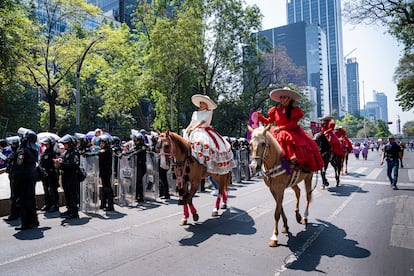
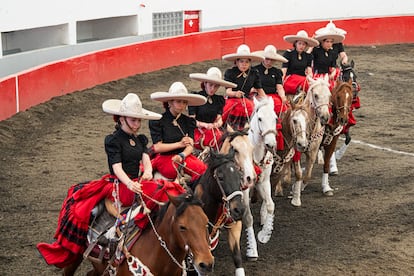
In Mexico’s national sport, gender roles have long been rigidly defined. This year, the first all-female charro team was officially formed, creating a path that girls and young women will now be able to follow. It is a step toward equality in a society that remains, in many respects, conservative and sexist
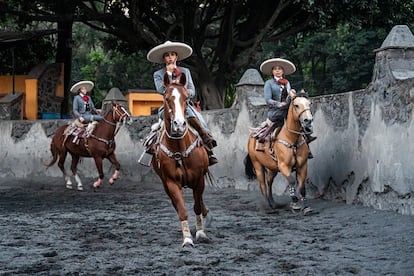
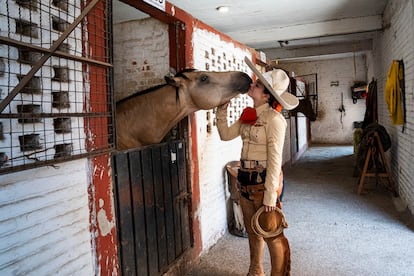
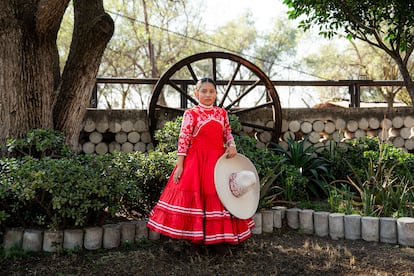
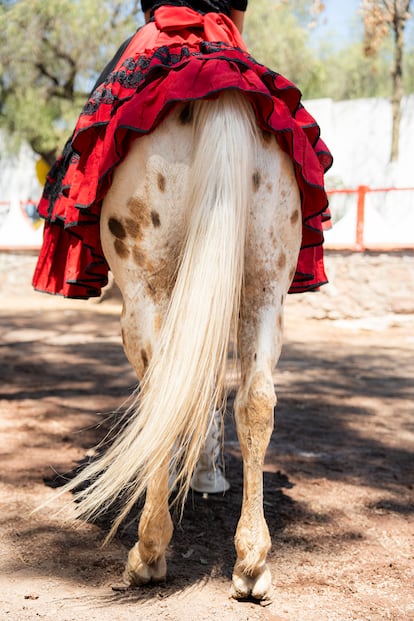
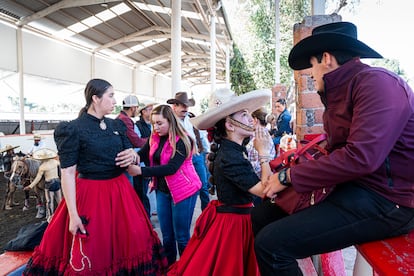
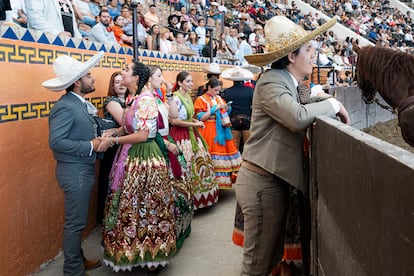
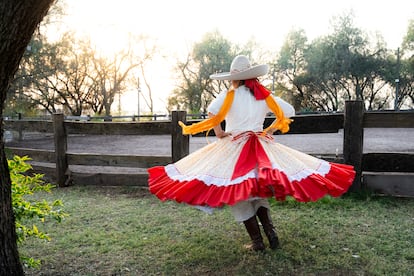
“It’s because you can’t, because you’re a woman... If my mother doesn’t tell me I can’t do something, no one else is going to tell me I can’t do it.” These are the powerful words that inspired Paola García, a 30-year-old escaramuza rider (a member of a women’s precision horseback-riding team) and charra (a female practitioner of charrería), to found the platform Más Mujeres Charreando (More Women Practising Charrería), an initiative that has promoted gender equality within charrería, Mexico’s national sport, since 2022. The tradition was recognized by UNESCO as an Intangible Cultural Heritage of Humanity in 2016.
That idea inspired me to pursue a story I had wanted to tell for a long time. For years, I have covered issues related to the situation of women in Mexico. Some of those stories have been particularly difficult, focusing on the many forms of violence affecting millions of women in this multifaceted, complex and often deeply contradictory country.
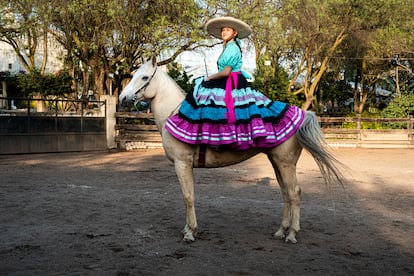
However, other realities coexist alongside that one. There are women who are moving forward, claiming space and challenging traditionally closed structures. Because although Mexican society remains conservative and sexist in many respects, that has not stopped women from continuing to make gains.
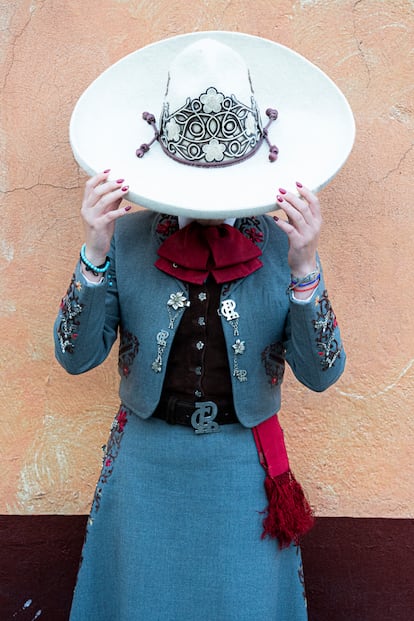
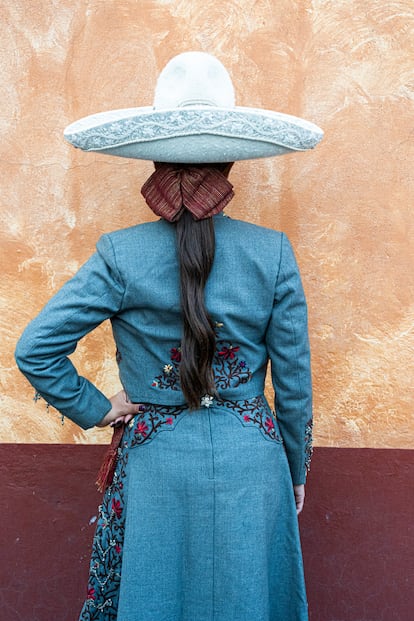
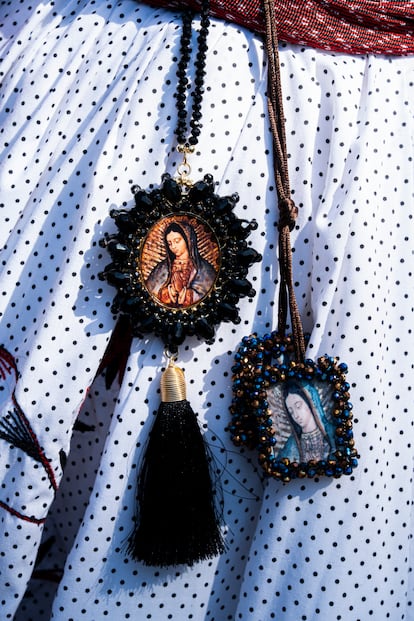
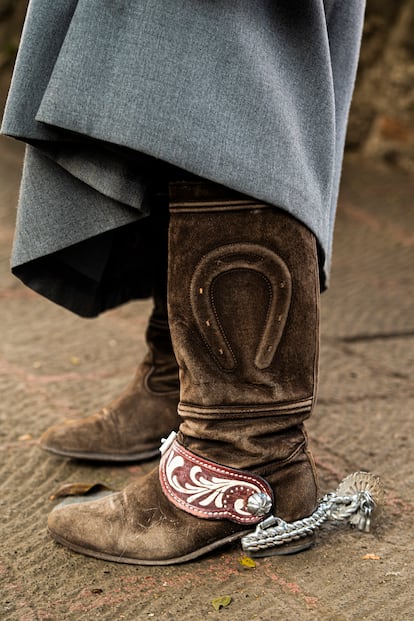
Charrería is far more than an equestrian sport. It is identity, tradition and national pride. It is a cultural world that preserves deeply rooted values, one in which gender roles have historically been clearly defined. A turning point came in March 2026, when the Mexican Federation of Charrería officially recognized the first all-female charro team. The initiative, led by Paola García, marked a historic precedent. The recognition opens the door to the full inclusion of women in categories that until now were reserved exclusively for men.
Sign up for our weekly newsletter to get more English-language news coverage from EL PAÍS USA Edition









































