
First Spanish Zika virus case involving pregnant woman diagnosed
The infected patient, who lives in Catalonia, contracted disease on visit to Colombia

The regional authorities in Catalonia on Thursday confirmed the first imported case of the Zika virus in a pregnant woman in Spain. The patient is a 41-year-old in her 13th to 14th week of term. Resident in Catalonia for several years, the woman was infected with the virus during a recent trip to Colombia, one of the areas where the virus is endemic. The health department released a statement explaining that the patient was in perfect health and that her pregnancy was not showing any complications, meaning she did not need to be hospitalized.
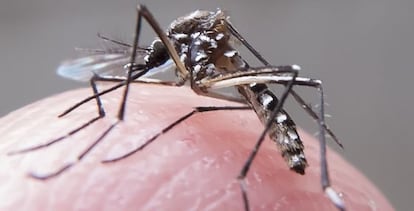
While the Zika virus is usually associated with symptoms such as general physical discomfort or rashes, pregnant women are most at risk from infection. There is no clear scientific evidence as yet, but experts have linked the virus to fetal deformities, such as microcephaly, and in some cases Guillain-Barré syndrome, a serious immune deficiency that can cause paralysis.
According to the regional health chief in Catalonia, Joan Guix, the patient was showing slight symptoms and is now “in her home with no problems or consequences.” As microcephaly is not detectable until the third trimester, the woman will remain “under observation by obstetrician services.”
“The cases of the Zika virus so far diagnosed in Spain are within the forecasts of epidemiologists and do not pose a risk in terms of the propagation of the virus”
The woman represents the sixth imported case of the Zika virus in Catalonia in recent weeks, according to health department data. In total, there are four men and two women with the virus, all of whom had traveled to areas of Latin America where the alert has been raised due to the risk of infection.
The central Health Ministry in Madrid released a statement on Thursday in a bid to calm fears of an epidemic in Spain. “The cases of the Zika virus so far diagnosed in Spain are within the forecasts of epidemiologists and do not pose a risk in terms of the propagation of the virus in our country, given that they are imported cases,” the ministry stated. Together with regional governments, which are each responsible for their public health services, the central government in Madrid is preparing a protocol to determine the action to be taken should more infections be detected. The Health Ministry is expecting to receive around 250 cases of Zika a year.
English version by Simon Hunter.









































