
Interior minister suggests regulating burqa use under new Citizen Safety Law
Jorge Fernández Díaz says he personally believes full covering denigrates women‘s dignity
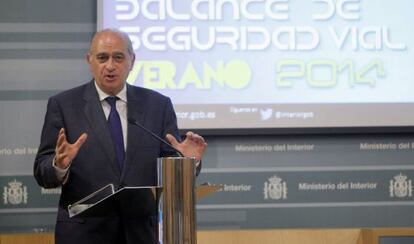
Interior Minister Jorge Fernández Díaz has suggested that the use of burqas should be regulated by the draft Citizen Safety Law now making its way through parliament.
Although he will leave the final decision to political groups in Congress, the minister said on Wednesday that he was personally convinced that the full-body covering is denigrating to the women who wear it.
The law in Catalonia
The Catalan government earlier this week announced that its own public safety legislation is now beginning to make its way through the regional parliament. This law will regulate the use of the full-body covering on the streets but will not “harm religious freedom.” No sanctions are established.
Since 2010, 17 Catalan municipalities have passed bans on the burqa and the niqab, but only seven have developed specific legislation and nobody has ever been served with a sanction.
“I think it has to do with the dignity of women, and it seems to be that this garment is an attack against that dignity, but this matter is not the exclusive domain of the Interior Ministry,” said Fernández Díaz.
The minister went on to add another dimension to the issue, “to the extent that it [the burqa] makes it difficult to identify a person committing an unlawful act.”
The citizen safety bill already “contemplates sanctions for individuals who participate in demonstrations with a face covering to avoid being identified,” he added.
In July, the government approved a less strict version of the original bill, which drew widespread criticism from the opposition, from social groups and even legal bodies. The text had been described as a “gag law” because it was viewed as an attempt by the Popular Party (PP) administration to curtail street protests against the economic crisis and political management.









































