
Hondurans claim plots in land-grab protest
Violence has cost 50 lives since 2010 Zelaya also takes part in the street protests
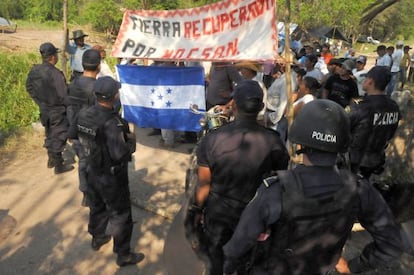
Some 15,000 farm and rural workers in Honduras have taken over thousands of hectares of private land plots to protest the government's inaction over agrarian reform.
The so-called Popular Resistance movement, first organized in 2009 following the coup that ousted Manuel Zelaya from the presidency, called on its supporters on April 19 to hold marches and demonstrations in the Central American nation.
Zelaya also took part in the street protests.
"We have no other alternative but to fight poverty and inequality," said Rafael Alegría, a farm official who helped organize the land invasions. Alegría justified the takeover by accusing the government of Porfirio Lobo of not coming up with an agrarian policy "to do away with poverty in the fields."
"For 20 years, we have been demanding better access to land. This country approved a Law of Modernization and Development of the Agricultural Sector that excluded many, and only brought poverty to the fields," Alegría said in a telephone conversation from Tegucigalpa.
Protest leaders say that the land plots taken belonged to the government but have been "illegally occupied" by private industry, mainly for sugar production.
Land disputes have become a growing problem in Honduras. According to official figures, more than 50 people have been killed in the last two years.
The most violent confrontations have been reported in the Bajo Aguán region in Colón province, in the northeast of the country. In March, four rural workers were murdered and 11 others wounded after they were attacked by armed men who were said to be soldiers, according to human rights activists.
"There are landowners, especially in Bajo Aguán, and in the southern part of the country, who pushed for agrarian reforms in the 1980s and then bought land at cheap prices," said Gilda Silvestrucci, a local radio reporter who has covered the issue.
Ramón Custodio, national commissioner for human rights, said the homicides are under investigation but speculated that the murders were probably due to the disputes that break out among protestors vying for leadership positions within the movement, and are not part of a hunt-and-kill mission organized by landowners.









































