
The United States imposes new sanctions related to Venezuela
The Treasury Secretary is targeting individuals it accuses of having ties to the Tren de Aragua criminal gang, including the singer Rosita

The U.S. Treasury Department announced a new round of sanctions related to Venezuela on Wednesday. Details of these sanctions were published on the official website, accompanied by a message on X. “Today, as part of the Trump administration’s crack down [sic] on international drug trafficking organizations, Treasury has sanctioned key affiliates of the terrorist cartel Tren de Aragua,” the message reads, adding that among those affected by these sanctions is “the entertainer Rosita,” who is described as a “DJ, actress, and a model with millions of social media followers.” She is included in a group of people allegedly “involved in holding drug-fueled parties to benefit” the Venezuelan-based criminal organization.
Washington accuses Jimena Romina Araya Navarro (alias “Rosita”) of being “part of a network of five persons affiliated with the entertainment industry that have provided material support to Tren de Aragua.” She allegedly helped the “notorious head” of the organization, Héctor Rusthenford Guerrero Flores (also known as “Niño Guerrero”), “escape from Tocorón prison in Venezuela in 2012.” According to the Treasury’s press release, other members of this network also laundered money for the leaders of the Tren de Aragua.
The U.S. Treasury Department suggests in its statement that Rosita is “romantically linked” to Niño Guerrero.

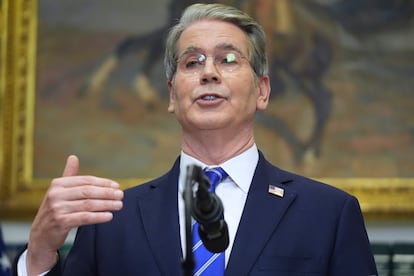
In addition, the latest round of sanctions targets “five additional key Tren de Aragua affiliates and one entity located in South America.” “Under President Trump, barbaric terrorist cartels can no longer operate with impunity across our borders. The Tren de Aragua network’s narcotrafficking and human smuggling operations have long posed a grave threat to our nation,” said Secretary of the Treasury Scott Bessent in the statement. “At the direction of President Trump, we will continue to use every tool to cut off these terrorists from the U.S. and global financial system and keep American citizens safe.”
The new round of sanctions comes amid an escalating wave of threats from Trump to invade Venezuela to force a change of the Nicolás Maduro regime, which Washington accuses of having ties to the Tren de Aragua criminal network and benefiting from its lucrative crimes. On Tuesday, the U.S. president said: “We’re going to start conducting strikes on land as well. The land targets are much easier, and we know the routes they take. We have extensive knowledge about them.” The goal, after three months of extrajudicial killings in Caribbean waters, he added, is to take out “those sons of a bitches” — referring to the South American country’s drug traffickers. “These people have killed over 200,000 people,” he concluded, exaggerating the official overdose figures for 2024 in the United States.
The Tren de Aragua is a criminal gang of Venezuelan origin that the U.S. State Department included on its list of “foreign terrorist organizations” due to its alleged involvement in criminal activities such as “drug trafficking, migrant smuggling and human trafficking, extortion, sexual exploitation of women and children and money laundering, among others.”
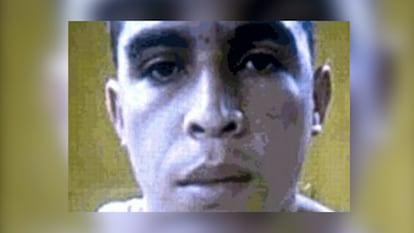
In June, the Treasury Department sanctioned Giovanni Vicente Mosquera Serrano, a high-ranking leader of the Tren de Aragua gang. A month later, they added Niño Guerrero to the list, along with other alleged members of the criminal organization.
According to the accusations outlined by the Treasury in its latest sanctions announcement, “a portion of the revenue generated” by Rosita from her performances “in various nightclubs around Colombia” goes to the Tren de Aragua’s coffers. They specifically point to her connection with the Maiquetía VIP Bar Restaurant in Bogotá, owned by her former bodyguard and manager, Eryk Manuel Landaeta Hernández (aka Eryk).
Eryk was arrested in Colombia in October 2024, accused of being the financial and logistical chief of the Tren de Aragua in Bogotá. “He organized events featuring international artists and DJs, including Rosita. These parties were used to sell narcotics for Tren de Aragua; the proceeds of the drug sales were then laundered,” according to the Treasury Department.
Sign up for our weekly newsletter to get more English-language news coverage from EL PAÍS USA Edition









































