
Women’s football moves mountains in Pakistan
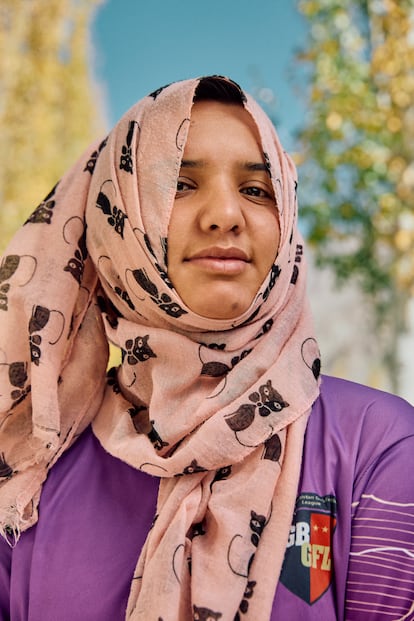
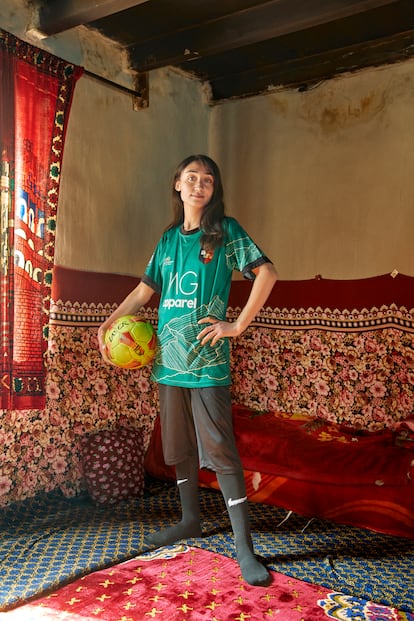
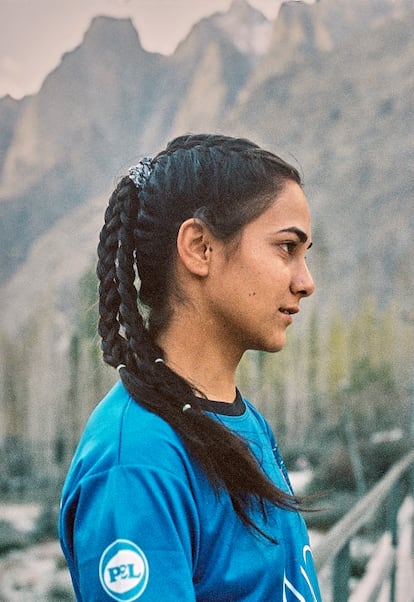
Between peaks over 6,000 meters high, sisters Karishma and Sumaira have created a tournament that is much more than just a sport: it is a window for girls of the Wakhi tribe to aspire to education, scholarships, and even the possibility of delaying early marriage
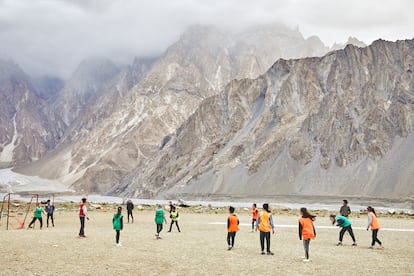
Sometimes, stories choose us almost without us knowing it. This was my third time traveling to Pakistan. The first time was over a decade ago, when I documented the lives of gem miners in the Karakoram. It was a personal project I did with a writer and guide specializing in remote sites, Simón Elías, and it ended up being published in the United Kingdom, Australia, and finally in EL PAÍS under the title “Gems of the Abyss.” When I photographed those miners at 5,000 meters above sea level, I felt something difficult to explain: a mixture of smallness and grandeur, that wild freedom that lives on the summits.
The second time I went to investigate blood money cases around Lahore, a project I published in the U.K. During that report, I met many young activists. Their energy, determination, and desire to change the world impressed me. I decided that the next story I told in Pakistan would be a celebration of that youth, of those girls and boys who fight every day to create a more tolerant and free world.
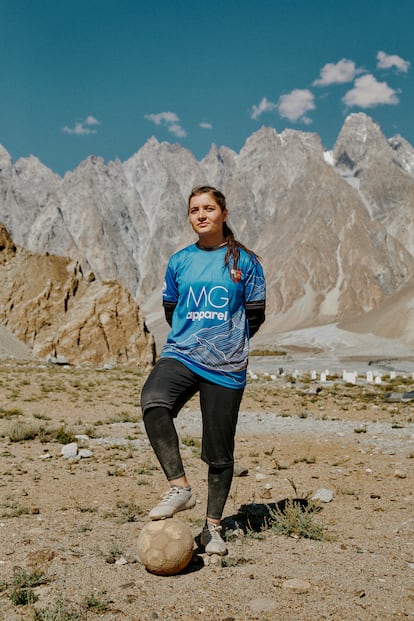
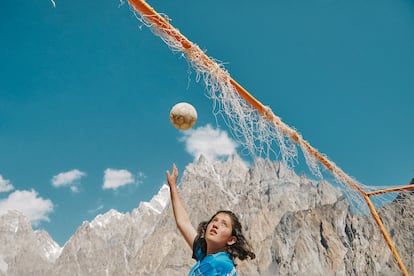
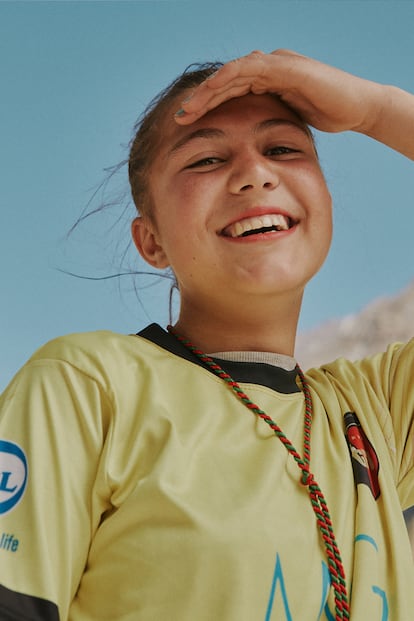
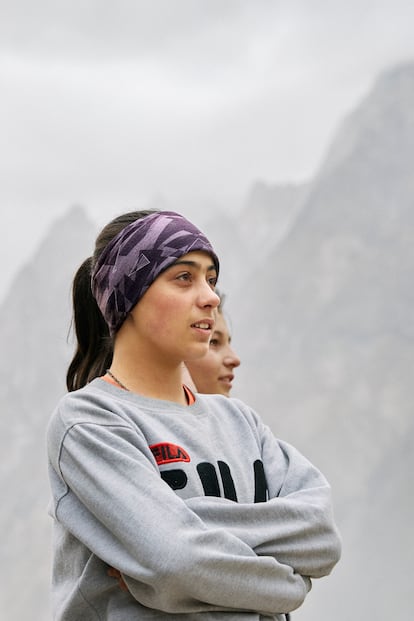
While researching stories that connected women and sport, I discovered the Gilgit-Baltistan Girls Football League. Two sisters, Karishma and Sumaira, created this women’s soccer tournament in one of the most remote places on the planet, the Hunza Valley, amid mountains over 6,000 meters high, on the border with China and Afghanistan. They themselves discovered soccer as children when they moved from their mountainous surroundings to Lahore. There, the ball gave them pride and self-esteem, but also fear and harassment for going out without a headscarf and wearing shorts. Even so, they kept playing. They grew stronger and decided to return to their village to pave the way for other girls in the mountains. For them, soccer is freedom, confidence, and independence.
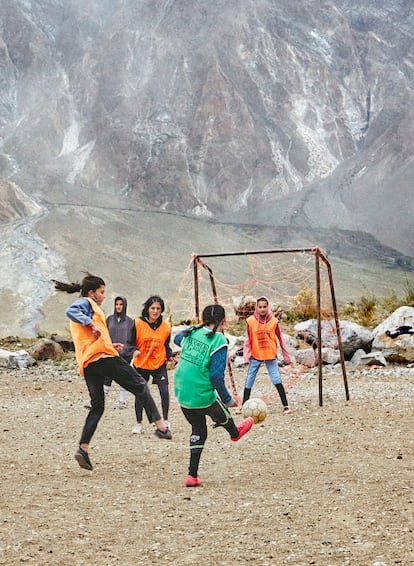
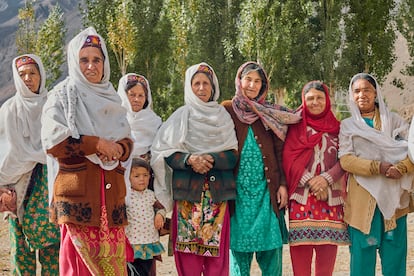
Karishma and Sumaira define themselves as Indigenous women from the Wakhi tribe. The Wakhi are Ismaili Muslims who follow the Aga Khan. It is an open branch of Islam, whose foundations are education, gender equality, and helping others. In Pakistan, they have lived isolated in the Karakoram Mountains for generations. This combination of toughness and serenity is felt in their way of understanding the world.
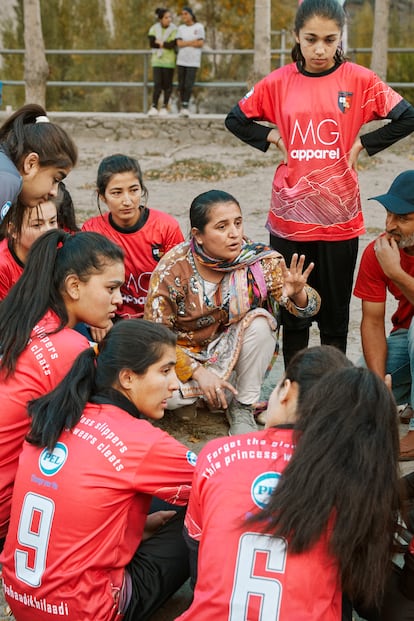
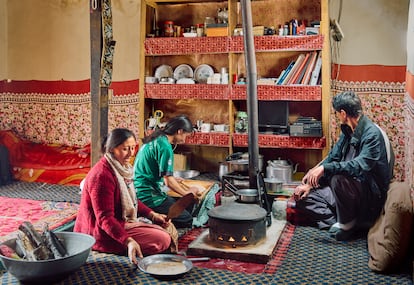
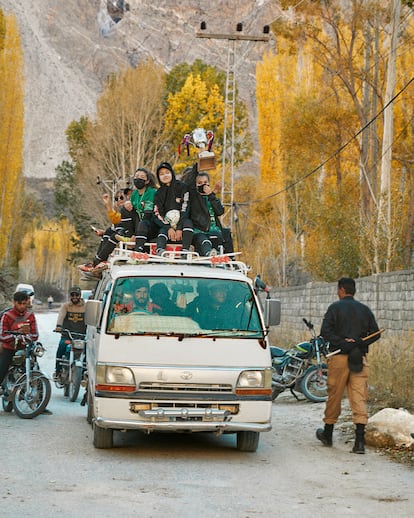
In that region, soccer isn’t just a game: it’s a possibility. A window to education, to scholarships, to delaying early marriage. It’s a glimpse of the future. I remember Nabila, the captain of the winning team, inviting me to her home in a remote village in Chipurson, which took us eight hours to reach after driving 30 hours to the region where the tournament was being held. Her father, who had been a photographer before the Taliban arrived in Afghanistan in 1996, spoke to me while they were cooking about his wish that his daughter could study at university and become the woman she chose.
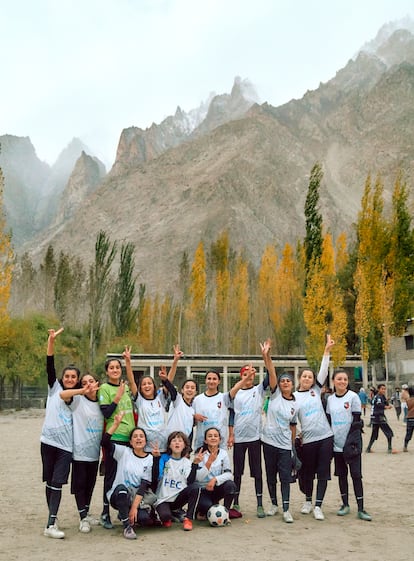
I spent almost two years talking with the sisters over Zoom before being able to travel to Pakistan. We were there for 17 days, filming and photographing. That experience gave rise to Girls Move Mountains, a short documentary that can be seen on Filmin and has been selected and won awards at festivals around the world. A photo essay has also been published in media outlets such as the Financial Times, Frankie Magazine, and NRC.
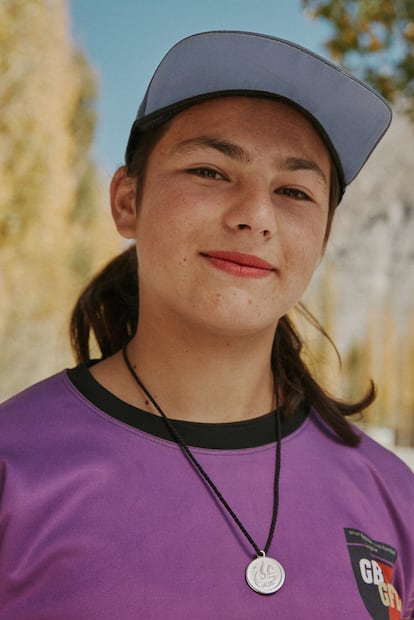
As I worked, I thought about what it truly means to move mountains. Certainly, for me, they do that every time they lace up their boots and head out onto the field. Their struggle is always silent, but their power reverberates like an avalanche.
Sign up for our weekly newsletter to get more English-language news coverage from EL PAÍS USA Edition









































