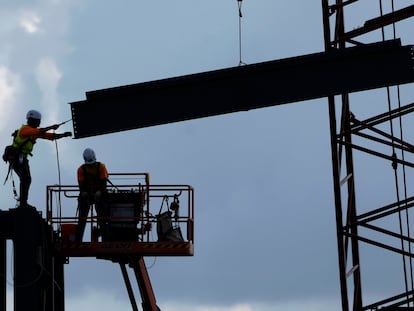
Job vacancies, quits plunge in July in stark sign of cooling trend in the US labor market
The number of job vacancies dropped to 8.8 million last month, the Labor Department said Tuesday, the fewest since March 2021 and down from 9.2 million in June

The number of job vacancies dropped to 8.8 million last month, the Labor Department said Tuesday, the fewest since March 2021 and down from 9.2 million in June
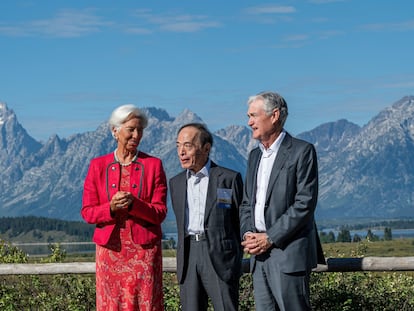
Central bankers prepare to keep interest rates high for longer than expected

‘We are prepared to raise rates further if appropriate and intend to hold policy at a restrictive level until we are confident that inflation is moving sustainably down toward our objective,’ the Fed chair said Friday
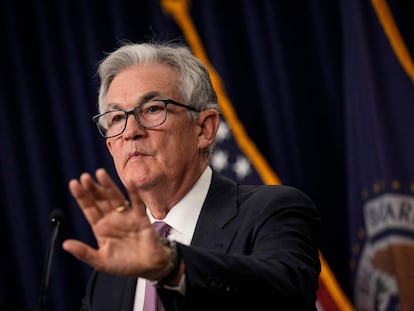
According to minutes from their July 25-26 meeting, the officials said they ‘would need to see more data... to be confident that inflation pressures were abating’ and on track to return to their target

However, excluding volatile food and energy costs, so-called core inflation matched the smallest monthly rise in nearly two years, a sign that the Federal Reserve’s interest rate hikes continue to slow price increases

In another sign of strength, the unemployment rate is expected to stay at 3.6%, not far off a half-century low
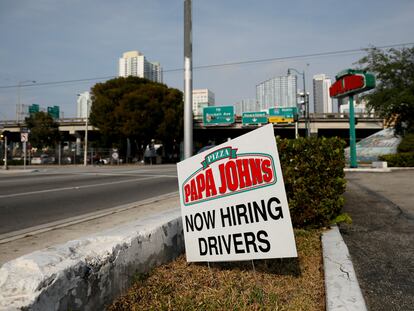
Job openings dropped to 9.6 million in June, the Labor Department said Tuesday, down slightly from the previous month but much lower than the 10.3 million in April
Recent figures provide the latest sign that the Federal Reserve’s drive to tame inflation may succeed without triggering a recession, an outcome known as a ‘soft landing’
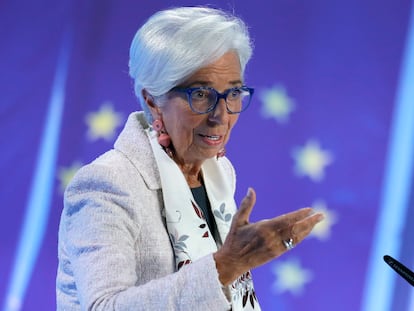
ECB President Christine Lagarde said the bank’s next moves would be determined by what the data — including inflation and job numbers — will show
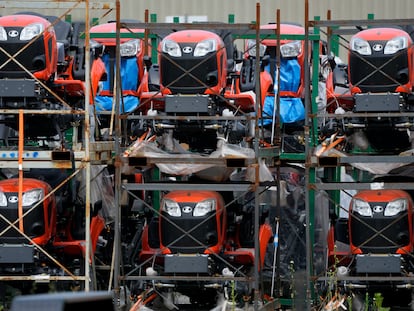
Last quarter’s expansion was well above the 1.5% annual rate that economists had forecast
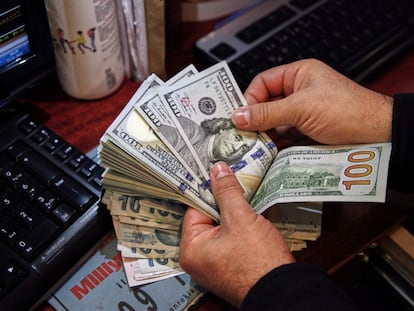
The co-creator of the ‘Dollar Smile’ hypothesis — devised in 2001 — believes that his theory is still valid today. He thinks the US currency is just as dominant as it was 20 years ago
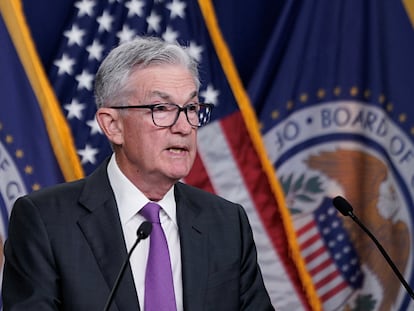
The move lifted the Fed’s benchmark short-term rate from roughly 5.1% to 5.3% — its highest level since 2001
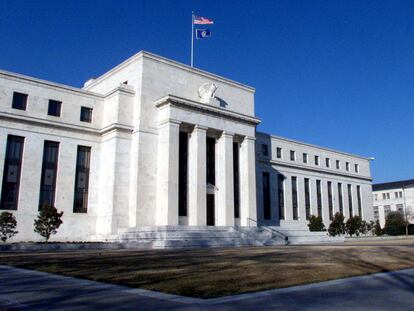
FedNow offers instant payment services for banks and credit unions to transfer money for their customers
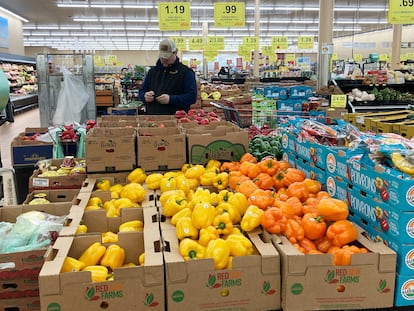
Prices are rising at their slowest pace since 2.6% in March 2021, but the Federal Reserve is still wary
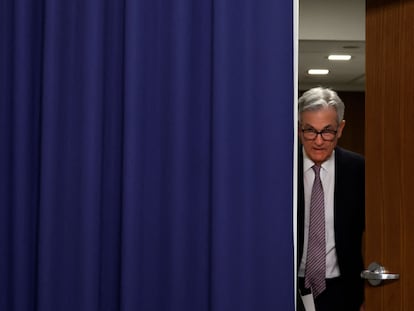
The U.S. central bank is bumping monetary prices closer to the levels of the dot-com bubble
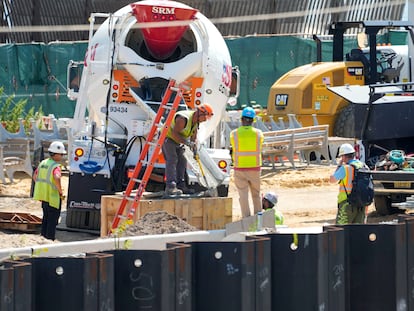
Job strength puts pressure on the Federal Reserve to raise rates this month to the highest levels since 2001
The wage data may raise concerns at the Fed, which is worried that faster pay gains will perpetuate inflation by leading companies to raise prices to offset their higher labor costs
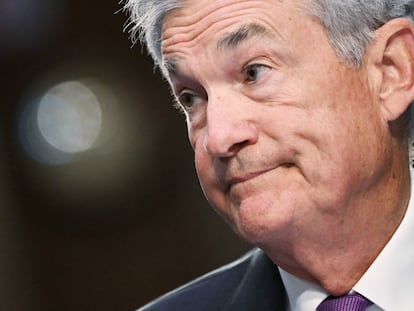
In the end, the 11 voting members of the Fed’s interest-rate setting committee agreed unanimously to skip a hike after 10 straight increases

The suspension of federal student loan payments, which took effect at the height of the pandemic in 2020, expires late this summer
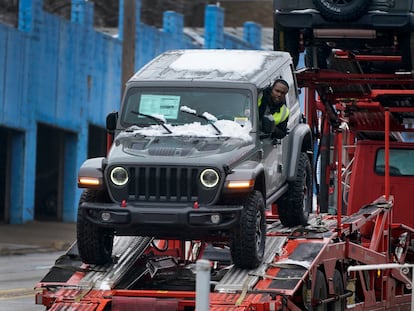
Despite higher interest rates, the economy grew at a 2% annual pace from January through March
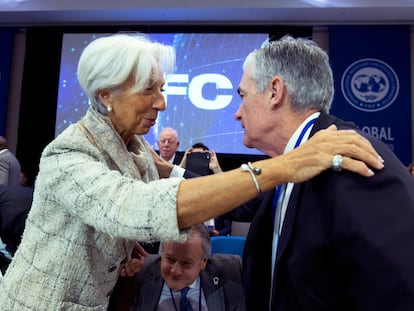
Hawks and doves hammer out their differences at major gathering of the European Central Bank in Sintra, Portugal
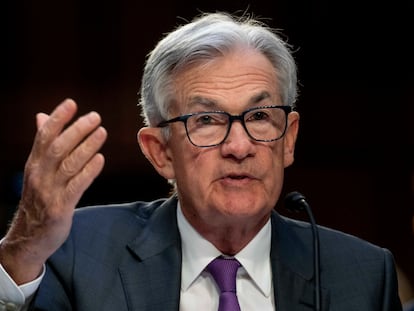
The head of the Federal Reserve told the House Financial Services Committee on Wednesday that it will be necessary to further raise interest rates by the end of the year
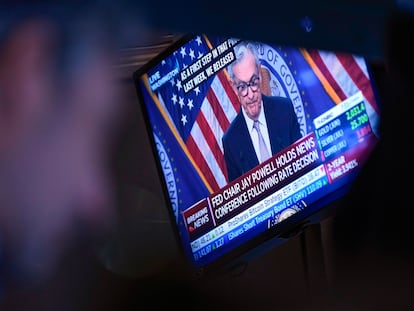
However, officials signaled that they may raise rates twice more this year, beginning as soon as next month
The international agency foresees high interest rates until the end of 2024 due to persistent inflation and a resilient economy
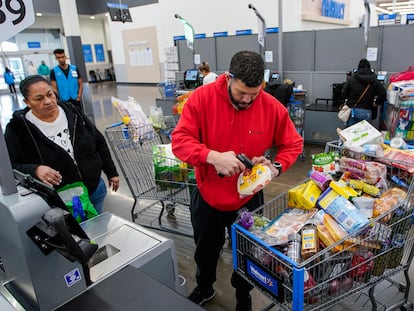
The index showed that prices rose 0.4% from March to April. That was much higher than the 0.1% rise the previous month
The monetary policy impact has been extremely slow due to the low cost of debt in recent years, which is propping up the so-called ‘zombie’ companies
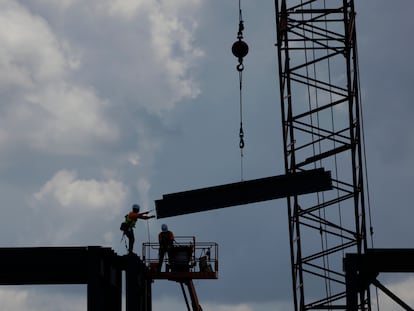
Gross domestic product grew at a 1.3% annual rate from January through March, compared to a previous government estimate of 1.1%