

Oldest RNA recovered from a mammoth that lived 40,000 years ago
Scientists have managed to rescue the molecule, against all odds, from a calf that died after being attacked by cave lions
Scientists have managed to rescue the molecule, against all odds, from a calf that died after being attacked by cave lions
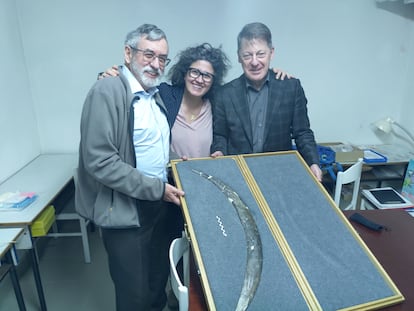
The new dating of an object found decades ago in Poland reinforces the idea that early humans in Central Europe had technological insight tens of thousands of years ago
The businesswoman says she was rejuvenated via an illegal gene therapy tested on mice. Scientists are dubious of her claims

The study of 15 ancient corpses debunks the myth of the collapse of Easter Island due to overexploitation
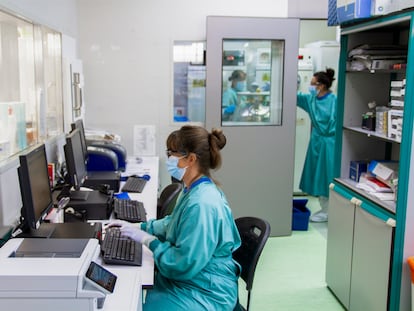
A scientific review unravels the characteristics shared by many of the exceptional patients whose infection remains under control — and who may be able to light the way to a cure
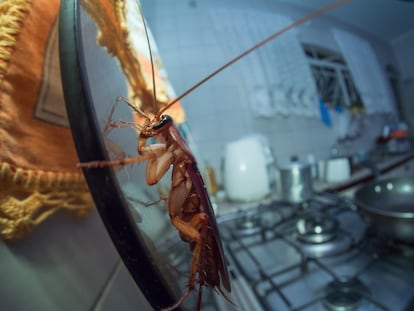
A new genetic study has traced the origins of the German cockroach, which accounts for most of the world’s pests and lives exclusively in urban environments

The analysis of 64 sets of human remains suggests that the civilization selectively sacrificed twins or brothers — always boys and in pairs — as a religious ritual

Its extended DNA would have a length of about 300 feet… 50 times longer than that of humans

The father of noninvasive prenatal diagnosis and pioneer of the liquid biopsy in detecting cancer has changed the way that Down syndrome is identified before birth
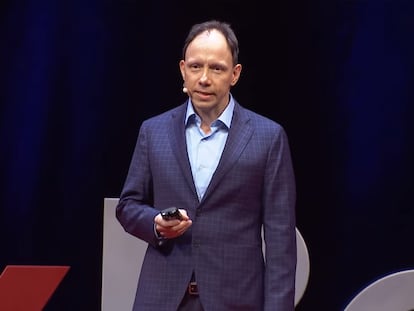
The aging expert and University of California researcher is currently working for Altos Labs, a company specialized in rejuvenation financed by billionaires like Jeff Bezos
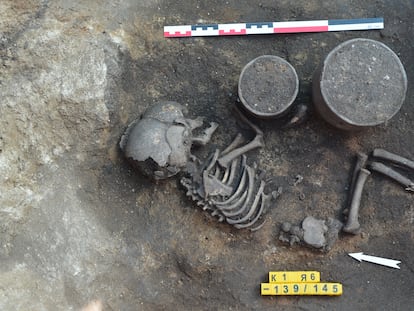
Genetic analysis of a burial in Russia’s Ural Mountains shows that while the men stayed with the tribe, the women joined other groups
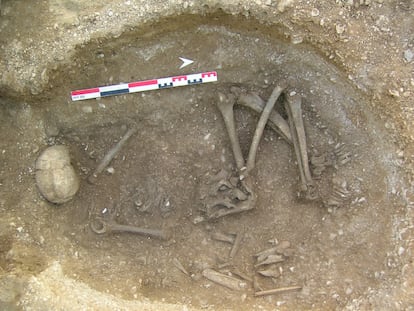
A genetic study of nearly 100 corpses in a French cemetery reconstructs seven generations of a Neolithic clan in which the men stayed in their places of origin for their entire lives while the women went to other groups
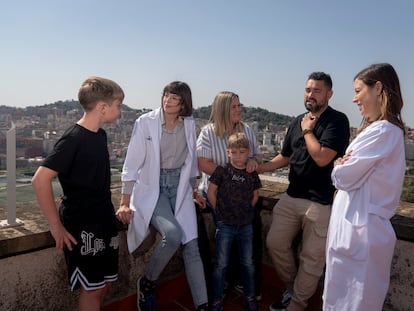
The Hematological Genetic Counseling Unit at Barcelona’s Vall d’Hebron University Hospital – a pioneer in Spain – is researching inherited genetic alterations that make certain people more prone to blood disorders