
What now? This is the process for electing the next Pope
The most international conclave and one of the youngest in recent history will elect a new pontiff in less than a month
Pope Francis has died after 12 years at the head of the Catholic Church. He will lie in state for three days in St. Peter’s Basilica before being laid to rest in Rome’s Basilica of St. Mary Major. The process of selecting his successor will then begin, with 135 cardinals gathering in Rome for a conclave to elect the new pope.
Pope Francis’s successor will be chosen from among the 135 cardinals eligible to enter the conclave, which can begin once all have arrived in Rome. Once gathered, each cardinal votes in secret for their preferred candidate.
The future pontiff must secure at least two-thirds of the votes — 90 in total. On the first day, only one vote is cast. Afterward, voting continues four times a day: two sessions in the morning and two in the evening. At the end of each round, the famous fumata (smoke) is released. The smoke is black if no pope has been elected, and white if a new pontiff has been chosen.
If no candidate is chosen after 30 rounds of voting, the election will be limited to the two candidates with the most votes, and an absolute majority will be enough to elect the new pope. This rule is part of several reforms introduced by John Paul II and Benedict XVI.
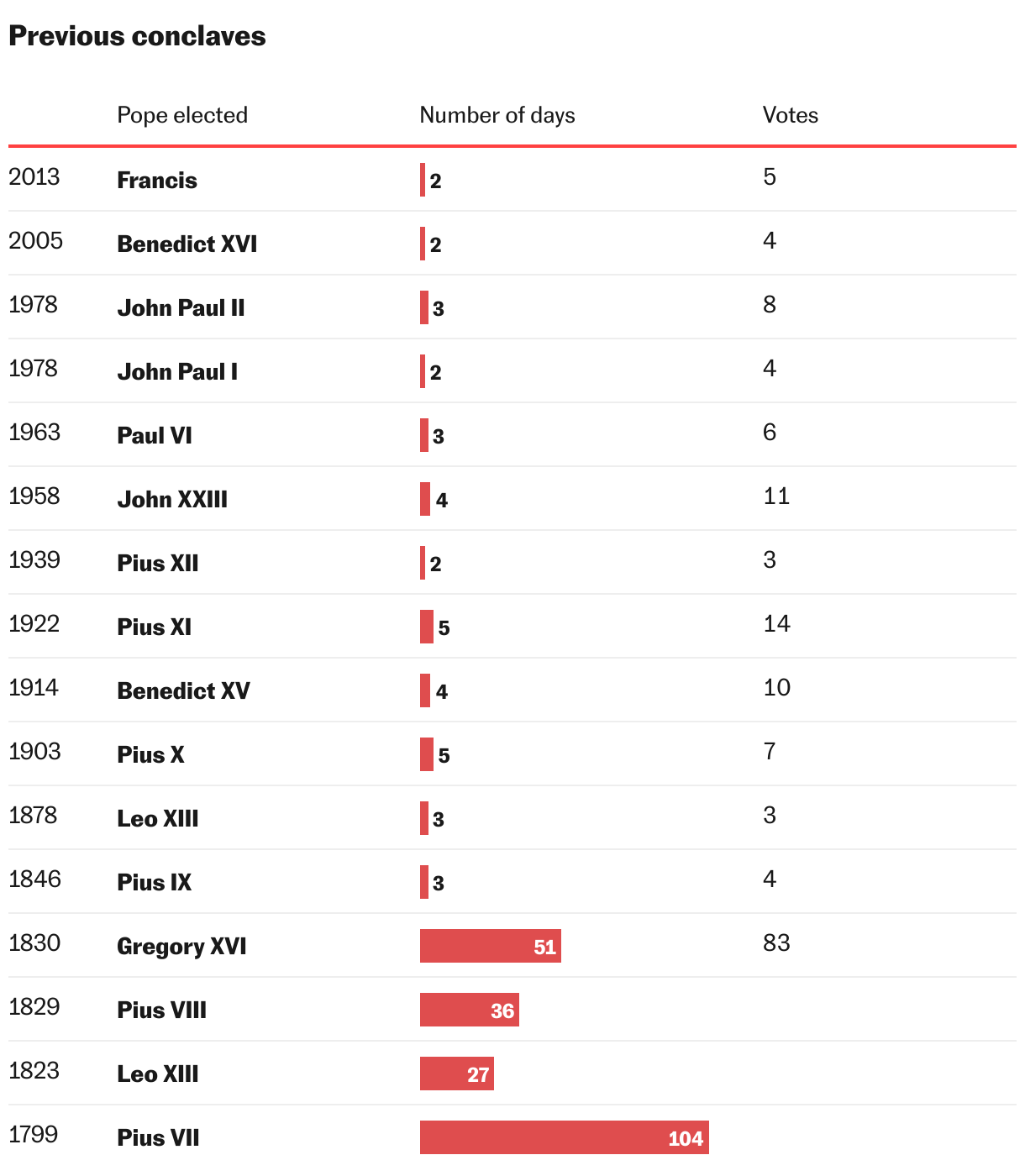
None of the last 12 conclaves, since 1830, have taken more than five days to elect a new pontiff. The last three conclaves lasted less than 48 hours. Francis was elected after five votes, Benedict XVI after four, and John Paul II after eight.
In the past, conclaves could last for months. The election of Gregory XVI in 1830 took 51 days, while the election of Pius VII lasted more than 100 days.
How the conclave has changed under Francis
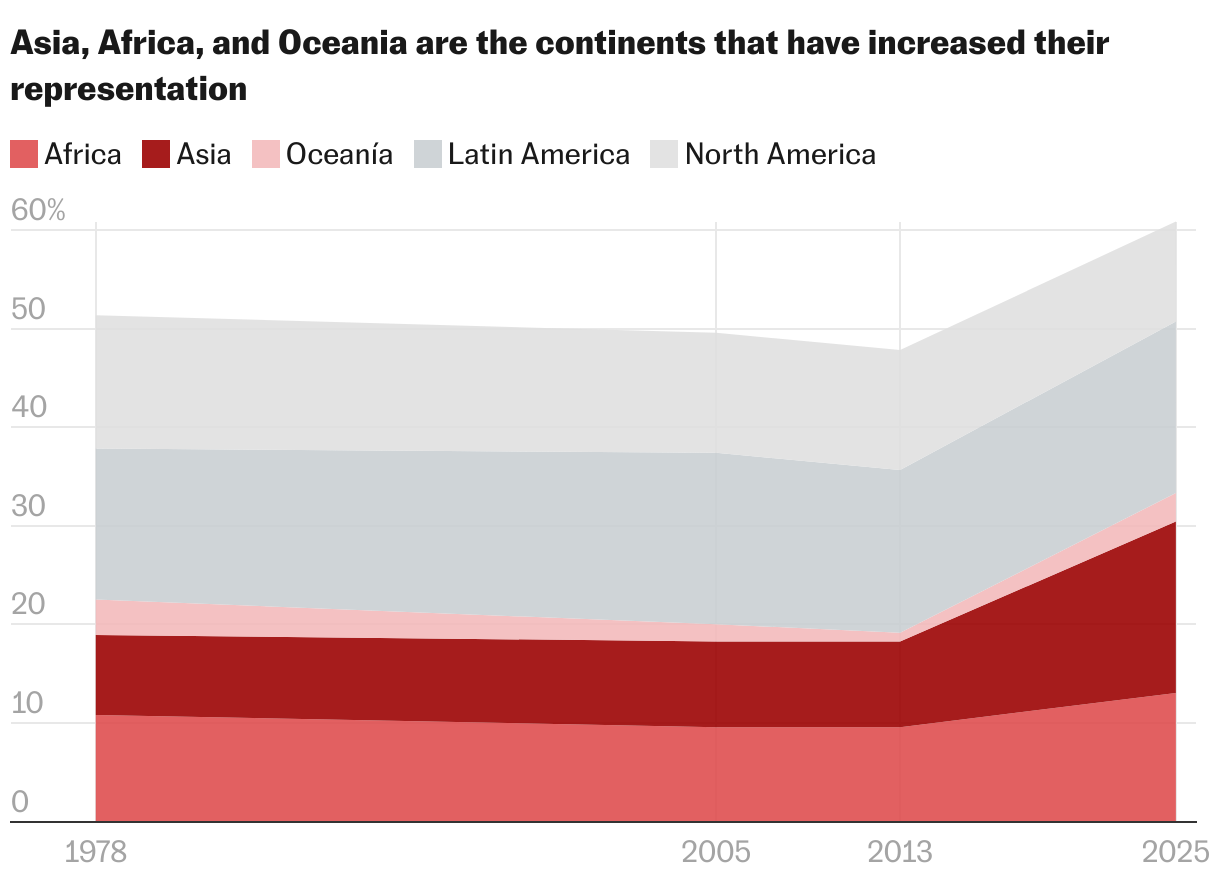
During Francis’s pontificate, the number of cardinals from Africa and Asia has grown significantly. As a result, he has reduced Italy’s dominance and enhanced the diversity within the College of Cardinals.
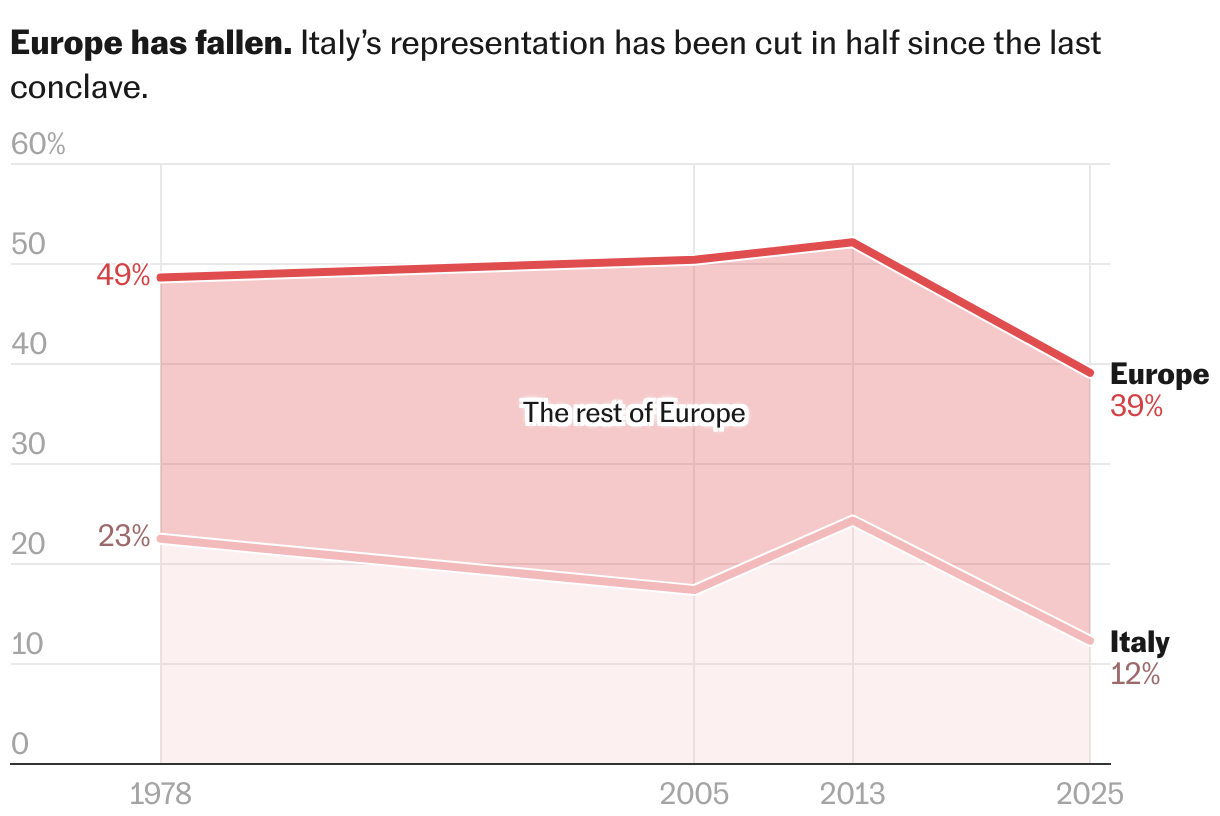
In the past, Italy had more representatives than Africa and Asia combined, but its share has been halved, dropping from 24% to 12% since 2013. The cardinal electors now come from 60 countries, 46 more than at the last conclave in 2013. In Spain, there are 13 cardinals, five of whom have voting rights.
The reshaping of the College of Cardinals during Pope Francis’s papacy is clear: 27% of the electors have been appointed in the last two years. As a result, the average age of the cardinals has shifted. With an average age of 69, this conclave will be two years younger than the previous one.
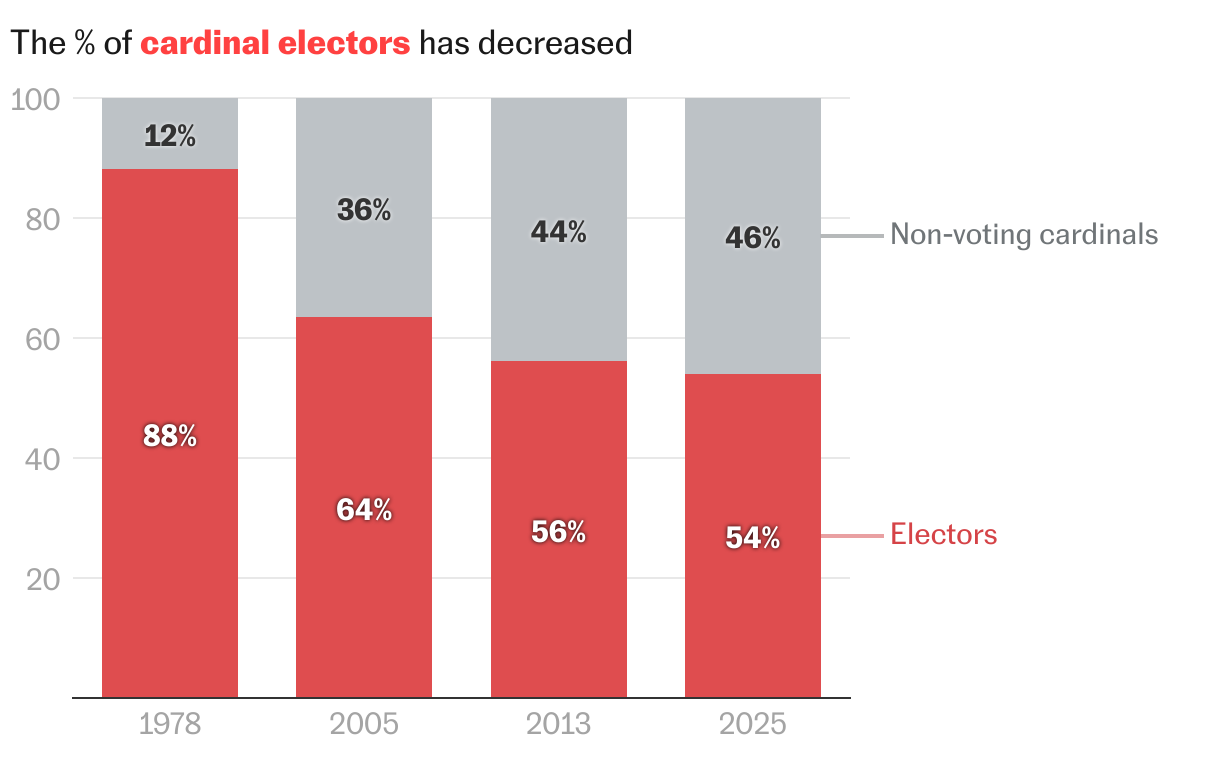
There is no fixed or limited number of cardinals in the College of Cardinals. The upcoming conclave will be the largest in history, although, in terms of percentage, it will also be the one with the highest number of cardinals excluded due to age (45%). In the last elections, only two cardinals were absent, while 115 participated in both.
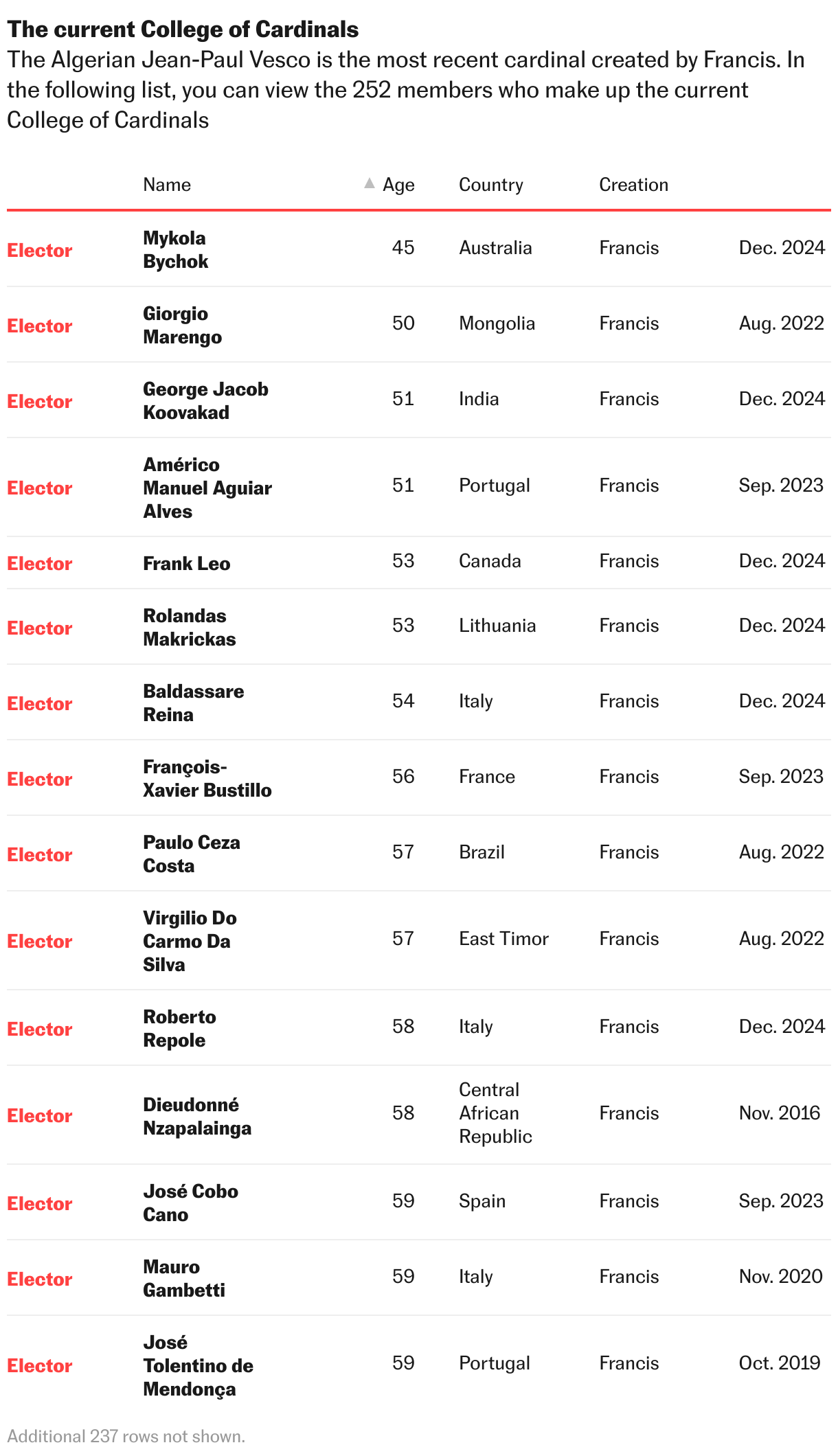
The following list contains the 252 cardinals who make up the College of Cardinals:
Sign up for our weekly newsletter to get more English-language news coverage from EL PAÍS USA Edition