
Burglars waltz out of Madrid art gallery with 70 paintings
Security guard questioned thieves but did not suspect any wrongdoing

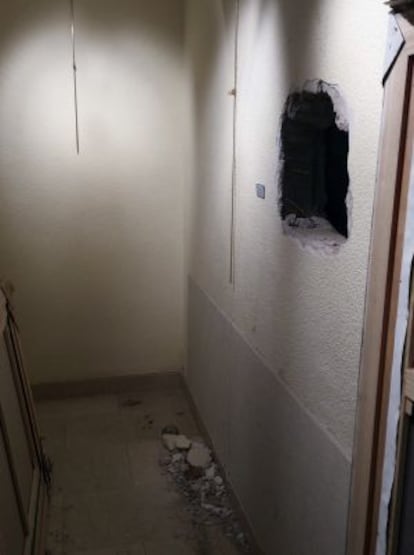
Three men managed to break into a Madrid art gallery last week, and walked out with 70 paintings worth an estimated €600,000.
The thieves entered Galería Puerta de Alcalá in the early hours of Thursday by first breaking into the adjacent premises, a former bar that has been closed since last year. They then punched a hole through the wall leading into the gallery, and deactivated the alarm once inside.
A security watchman from a nearby construction site saw the men walking out with paintings in their arms and went over to ask them some questions, but did not suspect that they were burglars.
“Is this merchandise yours?” he reportedly asked.
“We’re taking the paintings out of the gallery to put them on display somewhere else.”
“At this time of the night?”
“We have to get an early start to get there in time.”
The burglars, whom the security guard described as having Eastern European accents, spent two to three hours taking out art, propping it against nearby trees and loading it into a van. Then they drove off with their haul.
Pedro Márquez, who used to run the gallery before handing it over to his son, said that “in the last 40 years we have never taken out a single painting at 5am.”
“They took all the paintings from the back of the gallery, in a well-hidden spot. They took all our best work,” he added.
The stolen art includes 14 paintings by Segarra Chías, a painter from Seville whose work was going to be the subject of a solo show at the gallery; work by the Valencian painter Eustaquio Segrelles; and pieces by Juan González Alacreu.
“Given the amount of paintings they took and the way they took them out, wrapping them in plastic after a careful selection, they must have been here between two and three hours,” explains Márquez.
The gallery owners have photographic records of all the stolen material, and they plan to make these images public to prevent the art from being sold on the black market. Meanwhile, the police are working to locate the art thieves.









































